
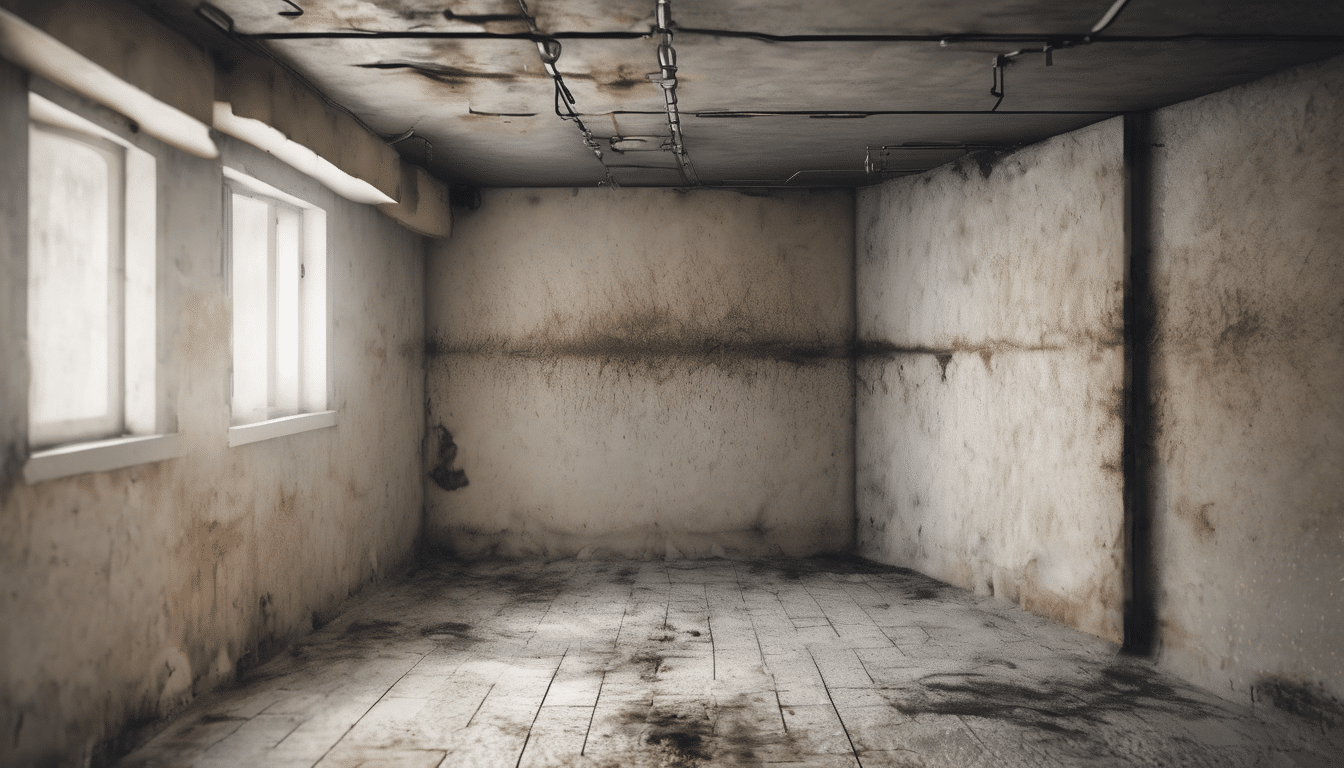
Hidden mold growth behind basement walls represents one of the most challenging indoor environmental problems facing Dubai homeowners. In our climate-controlled buildings, moisture accumulation within wall cavities creates ideal conditions for fungal colonisation—often developing undetected for months or years. Understanding How to Find hidden mold in basement walls Dubai requires systematic investigation techniques that go beyond visual inspection.
From our investigations across Dubai properties, hidden basement mold typically develops where building envelope failures allow condensation or water intrusion into wall assemblies. The combination of air conditioning systems, high outdoor humidity, and thermal bridging creates perfect conditions for concealed fungal growth. This guide presents professional detection methods that homeowners and property managers can understand and apply. This relates directly to Find Hidden Mold In Basement Walls Dubai.
Early detection prevents extensive contamination, structural damage, and potential health impacts. The techniques outlined here represent proven approaches developed through years of forensic mold investigations in UAE buildings.
Understanding How to Find Hidden Mold in Basement Walls Dubai
Hidden mold growth in Dubai basement walls typically occurs within three distinct zones: behind interior finishes, within wall cavities, and along exterior wall interfaces. Each location requires different detection approaches based on moisture source and building physics.
In Dubai’s climate, basement walls face unique challenges. External walls experience significant temperature differentials between air-conditioned interiors and hot outdoor conditions. This thermal gradient drives condensation formation on cool surfaces within wall assemblies, particularly where insulation is inadequate or vapour barriers are compromised.
Common Hidden Mold Locations
Behind gypsum board finishes represents the most frequent hidden mold location in Dubai basements. Moisture from plumbing leaks, HVAC condensation, or building envelope failures accumulates against the interior face of exterior walls. The organic paper facing on gypsum boards provides ideal nutrition for fungal growth.
Within wall cavities, mold develops when moisture enters through exterior penetrations, foundation cracks, or thermal bridging. Insulation materials become saturated, creating extensive fungal colonisation that remains invisible until advanced stages.
Along foundation interfaces, hydrostatic pressure and poor waterproofing allow moisture intrusion into wall systems. This moisture travels upward through capillary action, supporting mold growth throughout the lower wall assembly.
Find Hidden Mold In Basement Walls Dubai: Initial Assessment and Warning Signs
Learning how to find hidden mold in basement walls Dubai begins with systematic observation of indirect indicators. Direct visual confirmation is rarely possible initially, making environmental clues essential for directing investigation efforts.
Musty or earthy odours represent the most reliable early indicator of hidden mold growth. These volatile organic compounds (VOCs) produced by actively growing fungi penetrate through wall finishes, creating detectable odours even when mold remains concealed. The odour intensity often correlates with contamination extent.
Visual Indicators
Surface discolouration on walls, particularly along baseboards or corner areas, suggests moisture intrusion behind finishes. Brown, yellow, or grey staining indicates water damage that likely supports hidden fungal growth. These stains often appear months after initial moisture events.
Paint or wallpaper bubbling, peeling, or warping indicates moisture accumulation within wall assemblies. Adhesive failure occurs when substrate moisture content exceeds material tolerances, suggesting conditions favourable for mold development.
Efflorescence—white, chalky deposits on masonry surfaces—indicates water movement through building materials. While efflorescence itself is not mold, it confirms moisture pathways that support fungal growth in adjacent organic materials.
Environmental Conditions
Relative humidity levels consistently above 60% in basement areas create conditions supporting mold growth. Digital hygrometers provide accurate measurements, but readings should be taken at multiple locations and times to identify problematic zones.
Temperature differentials between wall surfaces and ambient air suggest thermal bridging or inadequate insulation. These conditions promote condensation formation within wall cavities, creating ideal mold growth environments.
Find Hidden Mold In Basement Walls Dubai – Moisture Mapping Techniques for Hidden Mold Detection
Moisture mapping provides the foundation for understanding how to find hidden mold in basement walls Dubai effectively. This systematic approach identifies moisture sources, pathways, and accumulation zones that support concealed fungal growth.
Non-invasive moisture metres measure moisture content in building materials without damaging finishes. Pin-type metres provide precise readings when inserted into materials, while pinless metres scan larger surface areas for moisture distribution patterns. When considering Find Hidden Mold In Basement Walls Dubai, this becomes clear.
Moisture Metre Applications
Wall scanning techniques involve systematic grid measurements across suspected areas. Starting from floor level and working upward in 30-centimetre intervals reveals moisture gradients within wall assemblies. Higher readings typically indicate areas where water accumulates or enters building systems.
Comparative measurements between different wall areas help identify abnormal moisture conditions. Baseline readings from unaffected areas provide reference points for evaluating suspicious zones. Differences exceeding 4-6% moisture content warrant further investigation.
Multiple measurement sessions over several days reveal moisture patterns related to weather conditions, HVAC operation, or occupancy activities. Consistent elevated readings suggest chronic moisture problems supporting mold growth.
Documentation Methods
Creating detailed moisture maps involves sketching floor plans and recording metre readings at specific locations. Digital photography of metre displays with location references provides verification for later analysis. GPS coordinates or detailed measurements ensure accurate location documentation.
Moisture trend analysis involves repeated measurements over time to identify seasonal patterns or equipment-related variations. This temporal data helps distinguish between acute water events and chronic moisture conditions.
Thermal Imaging Detection Methods
Thermal imaging represents one of the most effective techniques for learning how to find hidden mold in basement walls Dubai. Infrared cameras detect temperature variations that reveal moisture conditions, insulation failures, and building envelope problems supporting mold growth.
Thermal cameras visualise heat signatures through wall finishes, identifying cool areas where moisture accumulation occurs. Evaporative cooling from wet materials creates distinct temperature patterns visible in thermal images, even when moisture remains concealed.
Thermal Inspection Protocols
Optimal thermal imaging requires specific environmental conditions. Indoor-outdoor temperature differentials of at least 10°C provide sufficient thermal contrast for accurate readings. Early morning or late evening hours typically offer ideal conditions in Dubai’s climate. The importance of Find Hidden Mold In Basement Walls Dubai is evident here.
Systematic scanning patterns ensure complete coverage of suspected areas. Overlapping thermal images at 30-centimetre intervals create comprehensive thermal maps of wall systems. Multiple viewing angles help identify thermal anomalies that might appear in single perspectives.
Thermal imaging should be combined with moisture measurements for verification. Cool areas identified in thermal images require moisture metre confirmation to distinguish between insulation problems and actual moisture intrusion.
Image Analysis Techniques
Temperature differential analysis involves comparing thermal readings between suspected and reference areas. Differences exceeding 2-3°C suggest moisture conditions or building envelope failures requiring investigation.
Thermal pattern recognition helps identify specific moisture sources. Linear cool patterns suggest plumbing leaks, while irregular patterns indicate building envelope failures or condensation problems. Understanding these patterns guides targeted investigation efforts.
Air Sampling and Testing Protocols
Air sampling provides quantitative data about airborne mold contamination, essential for understanding how to find hidden mold in basement walls Dubai. While air samples cannot locate specific contamination sources, they confirm the presence of elevated fungal levels that warrant further investigation.
Spore trap sampling captures airborne particles on collection media for laboratory analysis. These samples provide species identification and concentration data, helping distinguish between normal outdoor levels and indoor contamination sources.
Sampling Strategy
Comparative sampling involves collecting samples from suspected areas alongside outdoor reference samples. Indoor concentrations exceeding outdoor levels by significant margins suggest indoor contamination sources, particularly when species composition differs from outdoor populations.
Multiple sampling locations within basement areas help identify contamination gradients that point toward source locations. Higher concentrations near specific wall areas suggest hidden mold growth behind those surfaces. Understanding Find Hidden Mold In Basement Walls Dubai helps with this aspect.
Sampling timing affects results significantly. Samples collected during periods of high HVAC activity may show elevated levels due to air movement disturbing hidden contamination. Static conditions often provide more representative baseline readings.
Quality Assurance
Chain of custody procedures ensure sample integrity from collection through laboratory analysis. Proper labelling, temperature control, and transport protocols prevent contamination or deterioration that could affect results.
Laboratory accreditation verification confirms analytical capability and quality standards. International Association of Certified Indoor Air Consultants (IAC2) recognised laboratories provide reliable analysis supporting investigation decisions.
Surface Sampling Methods
Surface sampling techniques complement air sampling in learning how to find hidden mold in basement walls Dubai. These methods detect fungal contamination on accessible surfaces that may indicate hidden growth sources.
Tape lift sampling involves pressing clear tape against surfaces to collect particles for microscopic analysis. This technique works effectively on smooth surfaces like painted walls, revealing spore deposits that suggest nearby hidden contamination.
Swab Sampling
Sterile swab sampling collects material from surfaces for cultural analysis, allowing viable mold identification and quantification. This method works well on textured surfaces where tape lifting proves ineffective.
Sampling technique affects results quality. Consistent pressure, swabbing patterns, and surface area coverage ensure reliable data. Template guides help standardise sampling areas for comparative analysis between locations.
Surface preparation involves gentle cleaning to remove dust or debris that could interfere with analysis. However, avoid aggressive cleaning that might remove target organisms or alter contamination patterns. Find Hidden Mold In Basement Walls Dubai factors into this consideration.
Bulk Material Sampling
Bulk sampling involves collecting small pieces of building materials for laboratory analysis. This technique provides definitive confirmation of mold growth within specific materials, particularly useful when investigating suspected contamination behind wall finishes.
Sample location selection targets areas showing visible damage or moisture indicators. Materials from both affected and unaffected areas provide comparative data for analysis.
Invasive Inspection Techniques
When non-invasive methods suggest hidden mold presence, invasive inspection techniques provide definitive confirmation. Understanding how to find hidden mold in basement walls Dubai sometimes requires carefully planned intrusion into building assemblies.
Borescope inspection involves drilling small holes through wall finishes to insert flexible cameras into wall cavities. Modern borescopes provide high-resolution imagery of conditions behind walls while minimising damage to finishes.
Strategic Access Points
Access hole placement requires consideration of building systems and structural elements. Locations near electrical outlets, plumbing penetrations, or HVAC components often reveal conditions throughout wall assemblies while utilising existing openings.
Multiple access points may be necessary for complete wall cavity assessment. Spacing holes at 1.2-metre intervals provides adequate coverage while minimising repair requirements.
Documentation protocols involve photographing or video recording borescope findings with location references. Digital imagery provides permanent records supporting remediation decisions and verification efforts.
Limited Demolition
Selective removal of small wall sections provides direct access for visual inspection and sampling. Strategic demolition locations target areas showing strongest indicators of hidden contamination. This relates directly to Find Hidden Mold In Basement Walls Dubai.
Proper containment during invasive inspection prevents cross-contamination to unaffected areas. Plastic sheeting and negative pressure systems isolate work areas during investigation activities.
Professional Laboratory Analysis
Laboratory analysis transforms field observations into scientific data supporting decisions about hidden mold presence. Understanding how to find hidden mold in basement walls Dubai requires proper interpretation of analytical results.
Microscopic analysis identifies mold species and quantifies contamination levels in collected samples. Different analytical methods provide varying levels of detail about contamination characteristics and health implications.
Analysis Methods
Direct microscopic examination provides rapid species identification and spore quantification from air and surface samples. This method distinguishes between viable and non-viable organisms while identifying specific genera present.
Cultural analysis involves growing collected organisms under controlled laboratory conditions. This technique confirms viability and enables precise species identification through morphological and biochemical characteristics.
DNA-based analysis offers the highest precision for species identification, particularly useful for difficult-to-culture organisms or degraded samples. However, DNA methods cannot distinguish between viable and dead organisms.
Results Interpretation
Concentration levels must be evaluated against appropriate reference standards. Outdoor samples provide baseline comparisons for interpreting indoor contamination significance.
Species composition analysis helps distinguish between outdoor intrusion and indoor amplification sources. Certain species strongly indicate moisture problems and active indoor growth. When considering Find Hidden Mold In Basement Walls Dubai, this becomes clear.
Documentation and Verification
Proper documentation ensures investigation findings support appropriate remediation decisions. Learning how to find hidden mold in basement walls Dubai requires systematic recording of all observations, measurements, and analytical results.
Investigation reports should include detailed site descriptions, environmental measurements, sampling protocols, and laboratory results. Photographic documentation provides visual evidence supporting written findings.
Verification Protocols
Independent verification involves having qualified professionals review investigation findings and methods. This peer review process ensures technical accuracy and appropriate interpretation of results.
Follow-up testing confirms initial findings and tracks changes over time. Repeated measurements help distinguish between transient conditions and chronic problems requiring remediation.
Quality control measures include equipment calibration records, sampling protocol adherence, and analytical method verification. These procedures ensure investigation reliability and defensibility.
Understanding how to find hidden mold in basement walls Dubai requires systematic application of multiple detection techniques. From initial moisture mapping through laboratory confirmation, each method contributes essential information for accurate assessment. Professional guidance ensures proper technique application and results interpretation, ultimately protecting building integrity and occupant health through evidence-based investigation approaches.