
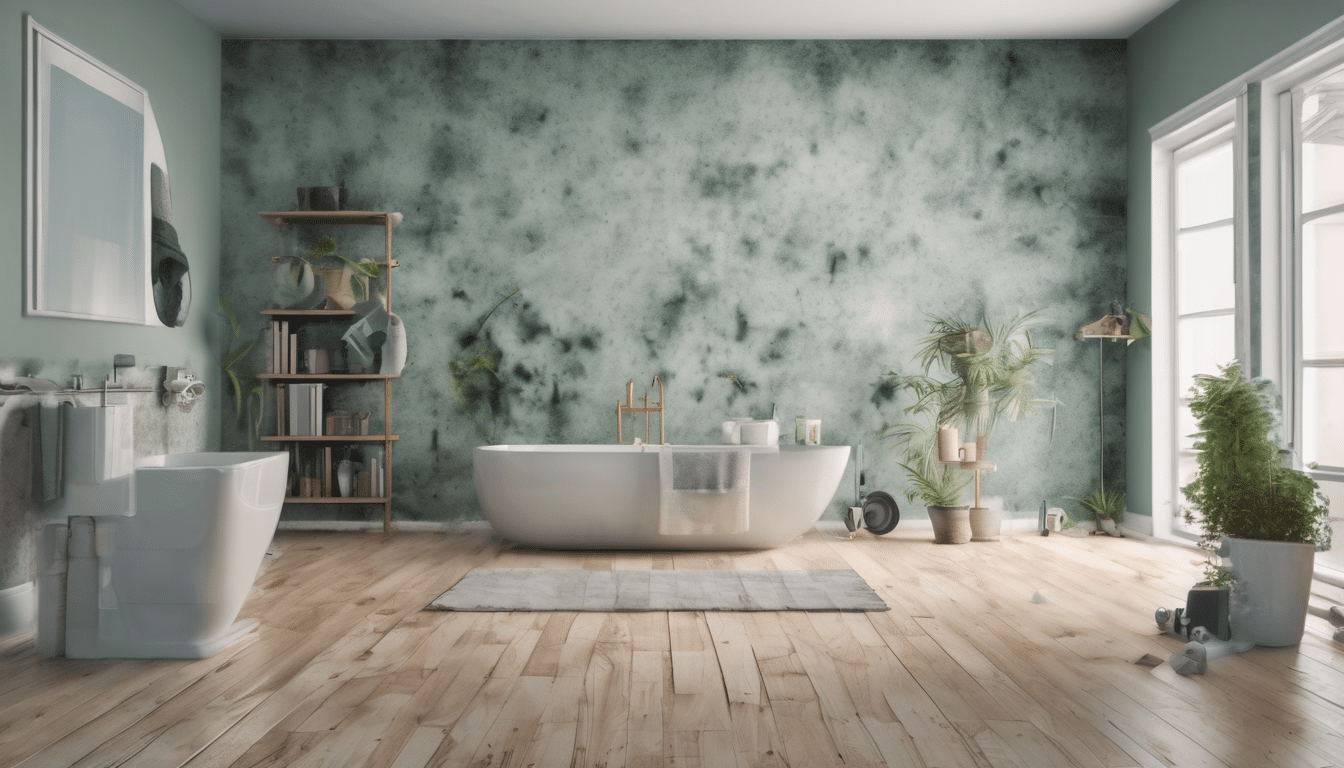
Understanding Diy Mold Removal Vs Professional Services: When To Call is essential. When mold appears in your Dubai home, the immediate question becomes whether to tackle the problem yourself or call professional services. DIY Mold Removal vs professional services when to call represents a critical decision that affects your family’s health, property value, and long-term indoor air quality.
The choice between DIY methods and professional mold remediation depends on multiple factors including contamination size, mold species, underlying moisture problems, and occupant health considerations. In Dubai’s unique climate with high humidity and extensive air conditioning use, these decisions carry additional complexity that homeowners must carefully evaluate. This relates directly to Diy Mold Removal Vs Professional Services: When To Call.
Understanding when DIY approaches suffice versus when professional intervention becomes necessary can save you from costly mistakes while protecting your family’s wellbeing. This analysis examines both options comprehensively to guide your decision-making process.
Diy Mold Removal Vs Professional Services: When To Call – Understanding DIY Mold Removal Basics
DIY mold removal involves homeowners addressing visible mold contamination using commercially available products and basic protective equipment. This approach typically includes surface cleaning with antimicrobial solutions, minor material removal, and moisture source correction. When considering Diy Mold Removal Vs Professional Services: When To Call, this becomes clear.
Common DIY methods include scrubbing with bleach solutions, applying commercial mold killers, removing contaminated porous materials, and improving ventilation. These techniques work effectively for small, surface-level contamination where the underlying cause is clearly identifiable and correctable.
DIY Advantages
Cost savings represent the primary advantage of DIY mold removal vs professional services when to call decisions favour the homeowner approach. Basic supplies cost between AED 200-500 compared to professional services ranging from AED 2,000-15,000 depending on scope.
Immediate action capability allows homeowners to address small problems before they expand. Quick response prevents further contamination spread and reduces potential damage to building materials and personal belongings. The importance of Diy Mold Removal Vs Professional Services: When To Call is evident here.
Control over the process means homeowners can work at their own pace, choose specific products, and ensure thoroughness in areas they consider most important. This personal oversight can be particularly valuable in sensitive areas like children’s rooms or master bedrooms.
DIY Limitations
Limited effectiveness against hidden contamination represents a significant drawback. DIY methods cannot address mold growth behind walls, within HVAC systems, or under flooring where professional diagnostic equipment is required for detection and access.
Health risks from improper handling include respiratory exposure, skin contact with mycotoxins, and cross-contamination during cleaning activities. Without proper containment and personal protective equipment, DIY efforts can worsen indoor air quality temporarily. Understanding Diy Mold Removal Vs Professional Services: When To Call helps with this aspect.
Lack of root cause analysis means DIY approaches often address symptoms rather than underlying moisture problems. This limitation frequently results in recurring contamination within months of initial cleaning efforts.
Diy Mold Removal Vs Professional Services: When To Call – Professional Mold Services Overview
Professional mold remediation involves certified specialists using industrial equipment, scientific protocols, and comprehensive approaches to identify, contain, remove, and prevent mold contamination. These services include diagnostic testing, containment setup, specialised removal techniques, and post-remediation verification.
Professional services begin with moisture mapping, air sampling, and building diagnostics to understand contamination extent and underlying causes. This scientific approach ensures complete problem resolution rather than surface-level treatment. Diy Mold Removal Vs Professional Services: When To Call factors into this consideration.
Professional Advantages
Comprehensive contamination assessment through laboratory testing, thermal imaging, and moisture detection reveals the full scope of problems that visual inspection cannot identify. This thoroughness prevents recurring issues and ensures complete remediation.
Proper containment and safety protocols protect occupants and uncontaminated areas during remediation work. Professional-grade HEPA filtration, negative pressure systems, and protective barriers prevent cross-contamination throughout the property.
Root cause correction addresses underlying moisture problems, building defects, and environmental conditions that enable mold growth. This systematic approach provides long-term solutions rather than temporary fixes. This relates directly to Diy Mold Removal Vs Professional Services: When To Call.
Post-remediation verification through clearance testing confirms successful completion and provides documentation for insurance claims, property sales, or tenant protection requirements.
Professional Limitations
Higher initial costs can strain household budgets, particularly when extensive remediation is required. Professional services in Dubai typically range from AED 3,000-20,000 depending on contamination severity and property size.
Scheduling delays may occur during peak seasons or when specialised equipment availability is limited. Emergency services carry premium pricing that can increase overall project costs significantly. When considering Diy Mold Removal Vs Professional Services: When To Call, this becomes clear.
Disruption to daily routines during containment and remediation activities may require temporary relocation or significant lifestyle adjustments, particularly in smaller properties where work areas cannot be isolated effectively.
Diy Mold Removal Vs Professional Services: When To Call – Cost Comparison Analysis
DIY mold removal costs in Dubai typically range from AED 300-800 for basic supplies including protective equipment, cleaning solutions, replacement materials, and moisture control products. These costs assume small contamination areas under 1 square metre and straightforward access.
Professional mold remediation pricing varies significantly based on contamination extent, affected materials, access difficulty, and required equipment. Small residential projects start around AED 2,500, while extensive contamination affecting multiple rooms can exceed AED 15,000. The importance of Diy Mold Removal Vs Professional Services: When To Call is evident here.
Hidden Cost Considerations
DIY approaches may incur hidden costs when initial attempts fail to resolve problems completely. Recurring contamination often requires multiple treatment cycles, additional materials, and eventual professional intervention at higher costs than initial professional treatment.
Professional services include comprehensive costs upfront, reducing unexpected expenses. However, extensive contamination may require structural repairs, HVAC system cleaning, or temporary accommodation that significantly increase total project costs.
Insurance coverage considerations affect cost calculations differently for DIY versus professional approaches. Many insurance policies require professional documentation and may not cover damage resulting from improper DIY remediation attempts. Understanding Diy Mold Removal Vs Professional Services: When To Call helps with this aspect.
Long-Term Value Analysis
Professional remediation typically provides better long-term value through comprehensive problem resolution, warranty protection, and documentation for future property transactions. This value becomes particularly important in Dubai’s competitive real estate market.
DIY approaches may offer short-term savings but can result in higher cumulative costs when problems recur or expand due to incomplete treatment. The decision between DIY mold removal vs professional services when to call often hinges on this long-term cost analysis.
Safety Considerations Comparison
Safety represents the most critical factor in deciding between DIY and professional mold removal approaches. Improper handling of mold contamination can create serious health risks and worsen indoor air quality problems. Diy Mold Removal Vs Professional Services: When To Call factors into this consideration.
DIY safety risks include respiratory exposure during cleaning activities, skin contact with contaminated materials, and accidental spread of spores to uncontaminated areas. These risks increase significantly when proper protective equipment and containment procedures are not followed.
Health Risk Evaluation
Sensitive individuals including children, elderly family members, pregnant women, and those with respiratory conditions face elevated risks from mold exposure during remediation activities. Professional services provide better protection through proper containment and air filtration systems.
Mycotoxin exposure represents a particular concern with certain mold species that produce toxic compounds. Professional identification and specialised handling procedures reduce health risks that DIY approaches cannot adequately address. This relates directly to Diy Mold Removal Vs Professional Services: When To Call.
Cross-contamination prevention requires sophisticated containment systems, negative pressure equipment, and proper decontamination procedures that exceed typical homeowner capabilities and equipment availability.
Professional Safety Protocols
Certified professionals use industrial-grade personal protective equipment, containment systems, and air filtration technology that provides superior protection during remediation work. These safety measures protect both workers and occupants throughout the process.
Training in hazardous material handling, contamination control, and emergency procedures ensures professional teams can manage unexpected situations safely. This expertise becomes critical when contamination is more extensive than initially apparent. When considering Diy Mold Removal Vs Professional Services: When To Call, this becomes clear.
Effectiveness Evaluation
Effectiveness comparison between DIY mold removal vs professional services when to call depends on contamination characteristics, underlying causes, and implementation quality. Each approach succeeds under specific circumstances but fails when applied inappropriately.
DIY effectiveness peaks with small, surface-level contamination where moisture sources are obvious and easily correctable. Success rates decrease rapidly when contamination extends beyond visible areas or involves complex building systems.
DIY Success Scenarios
Surface mold on non-porous materials like tiles, glass, or metal responds well to DIY cleaning when contamination is recent and limited. These scenarios typically involve bathroom fixtures, window frames, or kitchen surfaces with obvious moisture sources. The importance of Diy Mold Removal Vs Professional Services: When To Call is evident here.
Small contaminated areas under 0.5 square metres can often be managed effectively through careful DIY approaches, provided proper protective equipment is used and underlying moisture problems are corrected simultaneously.
Professional Effectiveness Advantages
Hidden contamination detection through thermal imaging, moisture mapping, and borescope inspection reveals problems that visual assessment cannot identify. This diagnostic capability ensures complete problem resolution rather than partial treatment.
Specialised equipment including HEPA air scrubbers, commercial dehumidifiers, and antimicrobial fogging systems provides treatment capabilities beyond DIY methods. These tools address airborne contamination and difficult-access areas effectively. Understanding Diy Mold Removal Vs Professional Services: When To Call helps with this aspect.
Laboratory verification through pre- and post-remediation testing confirms treatment success and identifies any remaining contamination that requires additional attention. This scientific validation provides confidence in remediation completeness.
When DIY Approach Works
DIY mold removal vs professional services when to call decisions favour homeowner approaches under specific circumstances where contamination is limited, access is straightforward, and underlying causes are clearly identifiable and correctable.
Small surface contamination under 1 square metre on non-porous materials represents the ideal DIY scenario. These situations typically involve bathroom tiles, window sills, or kitchen surfaces where moisture sources are obvious and easily controlled. Diy Mold Removal Vs Professional Services: When To Call factors into this consideration.
Ideal DIY Conditions
Recent contamination that has not had time to penetrate building materials or spread through air circulation systems responds well to prompt DIY intervention. Quick action prevents problem expansion and maintains manageable scope.
Obvious moisture sources like leaking faucets, condensation on windows, or minor plumbing issues that can be immediately corrected support successful DIY remediation. Clear cause-and-effect relationships increase treatment success rates.
Non-sensitive occupants without respiratory conditions, allergies, or immune system compromise can tolerate temporary air quality impacts during DIY cleaning activities. Health considerations significantly influence approach selection. This relates directly to Diy Mold Removal Vs Professional Services: When To Call.
Required DIY Capabilities
Proper protective equipment including N95 respirators, gloves, eye protection, and disposable clothing is essential for safe DIY mold removal. Many homeowners underestimate protective equipment requirements and risk health exposure.
Moisture detection and correction capabilities determine DIY success rates significantly. Homeowners must identify and resolve underlying moisture problems to prevent contamination recurrence within weeks or months.
Waste disposal planning for contaminated materials requires understanding local regulations and proper bagging procedures. Improper disposal can spread contamination or violate environmental protection requirements. When considering Diy Mold Removal Vs Professional Services: When To Call, this becomes clear.
When Professionals Are Required
Professional intervention becomes necessary when contamination exceeds DIY capabilities, safety risks are elevated, or underlying problems require specialised diagnosis and treatment. These scenarios represent clear situations where DIY mold removal vs professional services when to call decisions must favour professional approaches.
Large contamination areas exceeding 3 square metres typically require professional remediation due to containment requirements, specialised equipment needs, and elevated health risks during treatment activities.
Mandatory Professional Scenarios
HVAC system contamination requires professional attention due to access difficulties, specialised cleaning equipment requirements, and potential for widespread spore distribution throughout the property. DIY approaches cannot adequately address ductwork contamination. The importance of Diy Mold Removal Vs Professional Services: When To Call is evident here.
Hidden contamination behind walls, under flooring, or within building cavities demands professional diagnostic equipment and controlled access procedures. These situations require moisture mapping, thermal imaging, and careful material removal techniques.
Health-sensitive occupants including infants, elderly family members, or individuals with respiratory conditions require professional containment and air quality protection during remediation activities. DIY approaches cannot provide adequate protection for vulnerable populations.
Insurance claim requirements often mandate professional documentation, testing, and remediation protocols. DIY approaches may void coverage or complicate claim processing significantly. Understanding Diy Mold Removal Vs Professional Services: When To Call helps with this aspect.
Complex Contamination Indicators
Multiple contamination locations throughout the property suggest systemic problems requiring comprehensive investigation and treatment. Professional assessment can identify common causes and develop coordinated remediation strategies.
Recurring contamination after previous DIY attempts indicates underlying problems that require professional diagnosis and correction. Repeated failures suggest hidden moisture sources or contamination reservoirs beyond DIY capabilities.
Strong musty odours without visible contamination often indicate hidden growth requiring professional detection equipment and investigation techniques. These scenarios typically involve building envelope failures or HVAC system problems. Diy Mold Removal Vs Professional Services: When To Call factors into this consideration.
Dubai-Specific Considerations
Dubai’s unique climate and building practices create specific considerations for DIY mold removal vs professional services when to call decisions. High humidity, extensive air conditioning use, and common construction materials influence both contamination patterns and remediation approaches.
Thermal bridging in air-conditioned buildings creates condensation patterns that enable hidden mold growth in wall cavities and behind insulation. These problems require professional thermal imaging and diagnostic capabilities for proper identification.
Climate-Related Factors
Year-round air conditioning creates temperature differentials that promote condensation in building envelopes. Professional moisture mapping identifies these hidden problem areas that visual inspection cannot detect.
High outdoor humidity during certain seasons can overwhelm building dehumidification systems, creating widespread moisture problems requiring systematic professional assessment and correction.
Dust infiltration combined with humidity creates unique contamination patterns on HVAC components and within ductwork systems. These problems exceed DIY cleaning capabilities and require professional equipment and expertise.
Building Practice Considerations
Common construction materials including gypsum board, timber framing, and certain insulation types create specific contamination risks and remediation requirements. Professional understanding of local building practices improves treatment success rates.
Luxury property considerations including high-end finishes, integrated technology systems, and complex architectural features require specialised remediation approaches that preserve property value and functionality.
Multi-unit building contamination can affect neighbouring properties through shared HVAC systems or building envelope connections. Professional assessment and coordination become essential in these scenarios.
Making the Informed Decision
The decision between DIY mold removal vs professional services when to call requires careful evaluation of contamination characteristics, risk factors, and available resources. This decision-making framework helps homeowners assess their specific situations objectively.
Begin with honest contamination assessment including affected area size, material types, access requirements, and visible extent. Small surface problems on hard materials favour DIY approaches, while extensive or hidden contamination requires professional intervention.
Decision-Making Criteria
Health risk evaluation must consider occupant sensitivities, age factors, and existing medical conditions. Vulnerable populations require professional protection that DIY approaches cannot provide safely.
Cost-benefit analysis should include both immediate expenses and long-term value considerations. Professional remediation often provides better value when total costs and success probability are considered comprehensively.
Time availability and skill assessment help determine DIY feasibility. Proper DIY remediation requires significant time investment, physical capability, and attention to safety protocols that many homeowners underestimate.
Professional Consultation Value
Even when considering DIY approaches, professional consultation can provide valuable problem assessment, scope definition, and safety guidance. This consultation investment often prevents costly mistakes and health risks.
Professional testing before and after DIY attempts provides objective success measurement and identifies remaining problems requiring additional attention. This verification ensures treatment effectiveness and occupant safety.
Final Recommendations
Choose DIY approaches only for small, recent, surface contamination on non-porous materials with obvious and correctable moisture sources. Ensure proper protective equipment, containment procedures, and waste disposal practices.
Select professional services for contamination exceeding 1 square metre, hidden growth, HVAC system involvement, sensitive occupants, or when previous DIY attempts have failed. Professional intervention provides superior safety, effectiveness, and long-term value in these scenarios.
Consider hybrid approaches where professional assessment guides DIY implementation for appropriate scenarios. This combination provides scientific guidance while maintaining cost control for suitable contamination situations.
The choice between DIY mold removal vs professional services when to call ultimately depends on balancing safety, effectiveness, and cost considerations within your specific contamination scenario and household circumstances. Prioritise health protection and long-term problem resolution over short-term cost savings when making this important decision. Understanding Diy Mold Removal Vs Professional Services: When To Call is key to success in this area.