
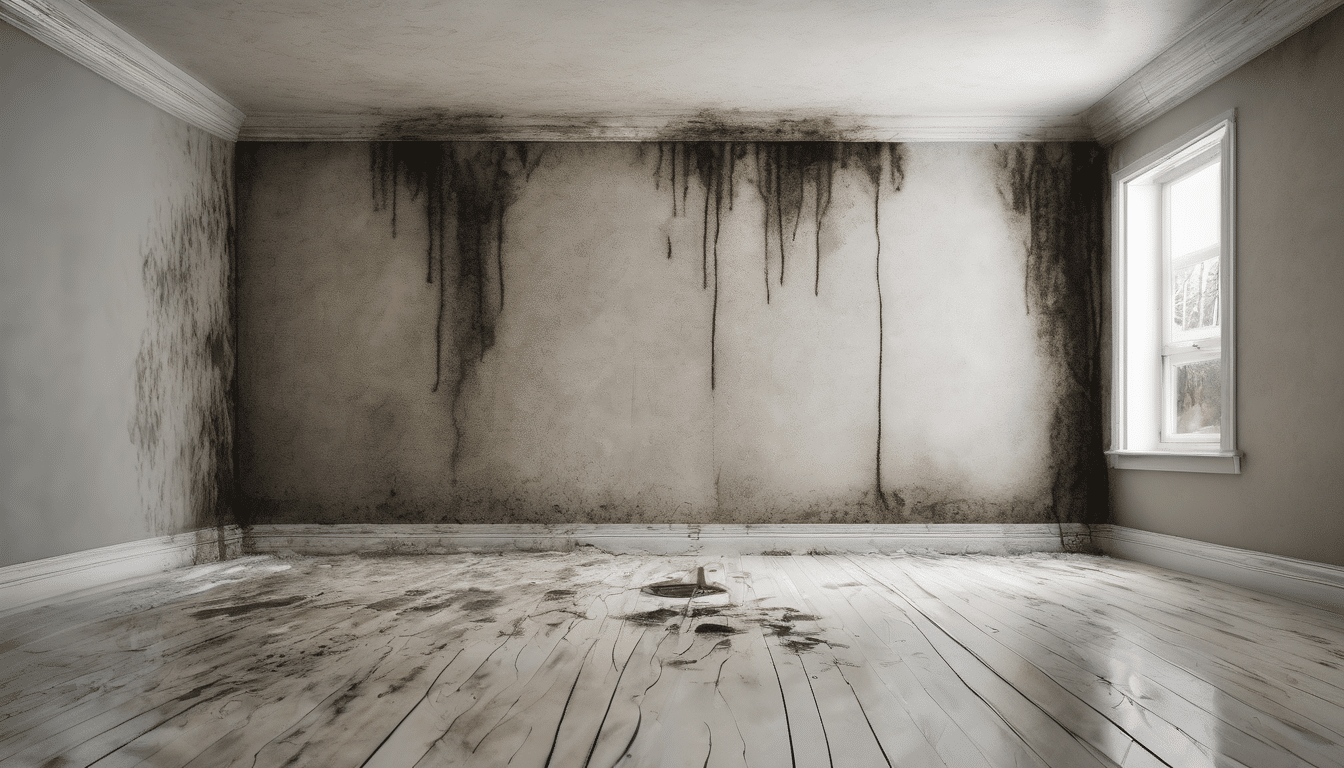
Understanding Mold Remediation After Water Damage: Complete Recovery Guide is essential. Water damage in Dubai properties creates a perfect storm for mold growth. The combination of moisture infiltration and the region’s high humidity levels can transform a simple leak into a complex mold contamination problem within days. Understanding proper Mold Remediation After water damage is essential for protecting your property investment and occupant health.
In our investigations across Dubai and the UAE, we consistently observe that successful recovery depends on rapid response and systematic remediation protocols. The critical window for preventing mold establishment is remarkably short—typically 24 to 48 hours after initial water intrusion. This guide examines the complete mold remediation after water damage recovery process, from emergency response through final verification. This relates directly to Mold Remediation After Water Damage: Complete Recovery Guide.
The stakes are particularly high in Dubai’s climate, where year-round air conditioning creates temperature differentials that promote condensation, whilst outdoor humidity often exceeds 80% during summer months. These conditions accelerate mold establishment and complicate traditional drying methods commonly used in temperate climates.
Mold Remediation After Water Damage: Complete Recovery Guide – Immediate Water Damage Assessment and Response
The first 24 hours following water damage determine the success of any mold remediation after water damage effort. During this critical window, building materials remain salvageable, and mold spore germination has not yet occurred on most surfaces. When considering Mold Remediation After Water Damage: Complete Recovery Guide, this becomes clear.
Emergency assessment begins with identifying the water source and contamination category. Clean water from supply lines requires different protocols than greywater from appliances or blackwater from sewage systems. Each category carries distinct health risks and influences subsequent mold remediation after water damage procedures.
Critical First Steps
Professional water damage response involves immediate moisture documentation using calibrated meters. We measure moisture content in structural materials, not just visible water accumulation. Hardwood flooring may read normal on the surface whilst subflooring reaches saturation levels that guarantee mold establishment.
Temperature and humidity mapping reveals the complete extent of affected areas. Thermal imaging cameras detect moisture migration patterns invisible to conventional inspection methods. These findings directly influence the scope of mold remediation after water damage work required. The importance of Mold Remediation After Water Damage: Complete Recovery Guide is evident here.
Air movement and dehumidification must begin within hours, not days. However, Dubai’s climate complicates standard drying protocols. Outdoor air often contains more moisture than indoor air, making conventional ventilation counterproductive during summer months.
Mold Remediation After Water Damage: Complete Recovery Guide – Understanding Mold Establishment After Water Damage
Mold remediation after water damage success depends on understanding the biology of mold establishment. Mold spores exist naturally in all indoor environments, remaining dormant until optimal conditions align: moisture availability, organic nutrients, and suitable temperature ranges.
Dubai’s year-round temperatures of 25-35°C create ideal conditions for rapid mold growth. Combined with high humidity and modern building materials containing cellulose, protein, and other organic compounds, mold establishment can occur faster than in temperate climates. Understanding Mold Remediation After Water Damage: Complete Recovery Guide helps with this aspect.
The 48-Hour Window
Laboratory studies demonstrate that mold spores begin germinating within 12-24 hours on wet organic materials. Visible growth typically appears 48-72 hours after initial moisture contact. This biological timeline drives the urgency of proper mold remediation after water damage response.
However, mold establishment involves more than surface growth. Hyphal networks penetrate porous materials like drywall, insulation, and wood framing. Surface cleaning alone cannot eliminate established colonies, necessitating material removal in many cases.
Environmental conditions during the drying period significantly impact remediation outcomes. If relative humidity exceeds 60% during structural drying, mold establishment continues even as bulk water is removed. This principle underlies professional moisture control strategies in mold remediation after water damage work. Mold Remediation After Water Damage: Complete Recovery Guide factors into this consideration.
Mold Remediation After Water Damage: Complete Recovery Guide – Professional Mold Remediation After Water Damage Process
Effective mold remediation after water damage follows systematic protocols developed through building science research and field experience. The process integrates water damage restoration with mold prevention strategies, addressing both immediate moisture removal and long-term contamination risks.
Professional remediation begins with comprehensive moisture mapping using multiple detection technologies. Conventional moisture meters, thermal imaging cameras, and borescope inspection reveal the complete extent of water penetration. This data determines remediation scope and material replacement requirements.
Contamination Assessment Protocols
Air sampling and surface sampling provide baseline contamination levels before remediation begins. These measurements establish the severity of existing contamination and guide containment decisions. Light contamination may require only enhanced cleaning, whilst heavy contamination necessitates full material removal. This relates directly to Mold Remediation After Water Damage: Complete Recovery Guide.
Species identification through laboratory analysis influences remediation strategies. Aspergillus species common in Dubai require different approaches than Stachybotrys or Chaetomium. Certain species indicate specific moisture conditions or building material preferences that impact long-term prevention planning.
The integration of moisture control with contamination removal distinguishes professional mold remediation after water damage from simple cleaning services. Addressing mold growth without correcting underlying moisture problems guarantees recurrence within weeks or months.
Moisture Mapping and Hidden Damage Detection
Successful mold remediation after water damage requires detecting all moisture-affected areas, including those hidden within building assemblies. Water follows gravity and building construction details, often migrating far from visible damage areas. When considering Mold Remediation After Water Damage: Complete Recovery Guide, this becomes clear.
Advanced moisture mapping combines multiple technologies for comprehensive assessment. Thermal imaging reveals temperature differentials indicating moisture presence behind finished surfaces. Moisture meters provide quantitative readings for structural materials, whilst borescope cameras allow visual confirmation of hidden conditions.
Building Assembly Investigation
Dubai construction commonly involves concrete block walls with cement render finishes. Water penetration through these assemblies creates ideal conditions for mold growth in wall cavities. Thermal bridging around structural elements promotes condensation that compounds water damage effects.
Ceiling assemblies require particular attention in UAE buildings. Flat roof construction and intensive air conditioning create conditions for both leakage and condensation. Water damage above suspended ceilings often remains undetected until extensive mold contamination has occurred. The importance of Mold Remediation After Water Damage: Complete Recovery Guide is evident here.
HVAC systems frequently distribute moisture throughout buildings following water damage events. Ductwork in wall cavities or above ceilings can transport contaminated air and moisture vapour to unaffected areas. Comprehensive mold remediation after water damage must address these distribution pathways.
Containment and Safe Removal Protocols
Professional containment protects unaffected areas during mold remediation after water damage work. The scale and type of containment depends on contamination levels, building layout, and occupancy requirements.
Critical containment involves complete isolation using plastic sheeting barriers and negative air pressure systems. HEPA-filtered air scrubbers maintain pressure differentials that prevent airborne contamination from spreading to clean areas. This approach is essential when removing heavily contaminated materials or working in occupied buildings. Understanding Mold Remediation After Water Damage: Complete Recovery Guide helps with this aspect.
Material Removal Strategies
Porous materials with established mold growth typically require complete removal rather than cleaning. Drywall, insulation, carpet, and fabric materials cannot be reliably decontaminated once hyphal networks have penetrated their structure.
Semi-porous materials like wood framing may be salvageable through aggressive cleaning and treatment, provided structural integrity remains intact. Non-porous surfaces like metal, glass, and ceramic can be effectively cleaned and restored.
Worker protection during mold remediation after water damage involves appropriate respiratory protection and protective clothing. Even minor contamination can pose health risks during disturbance and removal activities. Professional remediation teams follow established safety protocols to prevent exposure. Mold Remediation After Water Damage: Complete Recovery Guide factors into this consideration.
Structural Drying and Material Restoration
Structural drying removes moisture from building materials to levels that prevent mold establishment. This process requires balancing air movement, temperature control, and dehumidification whilst considering Dubai’s challenging climate conditions.
Professional drying equipment includes high-velocity air movers, commercial dehumidifiers, and heat injection systems. However, equipment selection must account for local conditions. Refrigerant dehumidifiers lose efficiency in high-temperature conditions, whilst desiccant units perform better in Dubai’s climate.
Moisture Target Levels
Successful mold remediation after water damage achieves moisture content below 15% in wood materials and less than 1% in concrete and masonry. These targets prevent mold establishment whilst allowing safe restoration of salvageable materials. This relates directly to Mold Remediation After Water Damage: Complete Recovery Guide.
Monitoring during drying involves daily moisture readings and environmental measurements. Progress should be consistent and measurable. Stalled drying indicates hidden moisture sources or inadequate equipment capacity requiring investigation and adjustment.
Climate control during drying maintains indoor conditions that support moisture removal. Air conditioning systems must operate continuously to control temperature and humidity, even in unoccupied buildings. Shutting down HVAC systems to save energy often prolongs drying times and increases contamination risk.
Air Quality Testing and Verification
Post-remediation verification confirms successful mold remediation after water damage through comprehensive air quality testing. This step provides objective evidence that contamination has been eliminated and indoor conditions restored to acceptable levels. When considering Mold Remediation After Water Damage: Complete Recovery Guide, this becomes clear.
Air sampling compares spore concentrations in remediated areas to outdoor reference samples and unaffected indoor areas. Successful remediation typically achieves indoor levels similar to or lower than outdoor concentrations, with species diversity matching natural environmental patterns.
Clearance Testing Protocols
Professional clearance testing follows established protocols for sampling methodology, laboratory analysis, and interpretation criteria. Random sampling locations prevent bias, whilst standardised collection procedures ensure reliable results.
Surface sampling may supplement air testing when specific contamination concerns exist. Direct sampling can detect residual contamination on cleaned surfaces or confirm complete removal from previously affected areas. The importance of Mold Remediation After Water Damage: Complete Recovery Guide is evident here.
Documentation during mold remediation after water damage includes moisture readings, environmental conditions, remediation activities, and verification results. This record provides evidence of proper procedures and establishes baseline conditions for future reference.
Long-term Prevention and Monitoring Strategies
Successful mold remediation after water damage includes strategies for preventing recurrence. Dubai’s climate creates ongoing challenges that require proactive moisture management and building maintenance practices.
HVAC system optimisation plays a critical role in long-term prevention. Proper humidity control, adequate ventilation, and regular maintenance prevent conditions that promote mold growth. Systems must be sized appropriately for Dubai’s extreme climate conditions and building thermal loads. Understanding Mold Remediation After Water Damage: Complete Recovery Guide helps with this aspect.
Building Envelope Improvements
Water intrusion prevention involves addressing building envelope deficiencies identified during remediation. Roof membrane repairs, window sealant replacement, and drainage improvements prevent future water damage events.
Vapour barriers and moisture management systems may be necessary in basement areas or below-grade spaces. Dubai’s high groundwater table and seasonal precipitation create conditions for moisture infiltration through foundation walls and floor slabs.
Regular inspection programmes detect moisture problems before extensive damage occurs. Professional inspections should include thermal imaging, moisture testing, and HVAC performance evaluation. Early detection enables minor repairs instead of major mold remediation after water damage projects. Mold Remediation After Water Damage: Complete Recovery Guide factors into this consideration.
Dubai Climate Considerations for Recovery
Dubai’s unique climate creates specific challenges for mold remediation after water damage that differ from procedures developed in temperate regions. High outdoor humidity, extreme temperatures, and intensive air conditioning use require adapted protocols.
Summer outdoor humidity often exceeds indoor humidity even in air-conditioned buildings. This condition makes outdoor air unsuitable for structural drying without pre-treatment. Dehumidification must rely primarily on mechanical systems rather than ventilation during peak summer months.
Seasonal Planning Factors
Winter months offer more favourable conditions for mold remediation after water damage work. Lower outdoor humidity allows natural ventilation to supplement mechanical drying. Construction scheduling should consider these seasonal advantages when possible. This relates directly to Mold Remediation After Water Damage: Complete Recovery Guide.
Dust storm events common in UAE can complicate remediation work by introducing additional particulates and moisture. Project planning must account for weather patterns and potential delays during extreme conditions.
Building design factors specific to Dubai include flat roof construction, extensive glass facades, and below-grade parking areas. Each feature creates unique moisture management challenges that influence remediation strategies and long-term prevention planning.
Professional mold remediation after water damage in Dubai requires understanding these local conditions and adapting proven techniques accordingly. Success depends on combining international best practices with local climate expertise and appropriate technology selection.
Expert Recommendations for Dubai Properties
Property owners should maintain emergency response contacts for immediate water damage response. Delays of even 12-24 hours significantly increase the scope and cost of necessary mold remediation after water damage work.
Insurance documentation should begin immediately following water damage events. Comprehensive photography, moisture readings, and professional assessment reports support claims and demonstrate proper response efforts.
Annual building inspections should include moisture assessment and HVAC performance evaluation. Preventive maintenance costs significantly less than emergency mold remediation after water damage and protects property values and occupant health.
The investment in professional mold remediation after water damage typically ranges from AED 15,000 to AED 45,000 for residential properties, depending on damage extent and building complexity. This cost includes emergency response, moisture removal, contamination remediation, and post-remediation verification.
Understanding the complete process empowers property owners to make informed decisions during stressful situations. Proper mold remediation after water damage protects both immediate health concerns and long-term property integrity, making professional response a sound investment rather than an expense. Understanding Mold Remediation After Water Damage: Complete Recovery Guide is key to success in this area.