
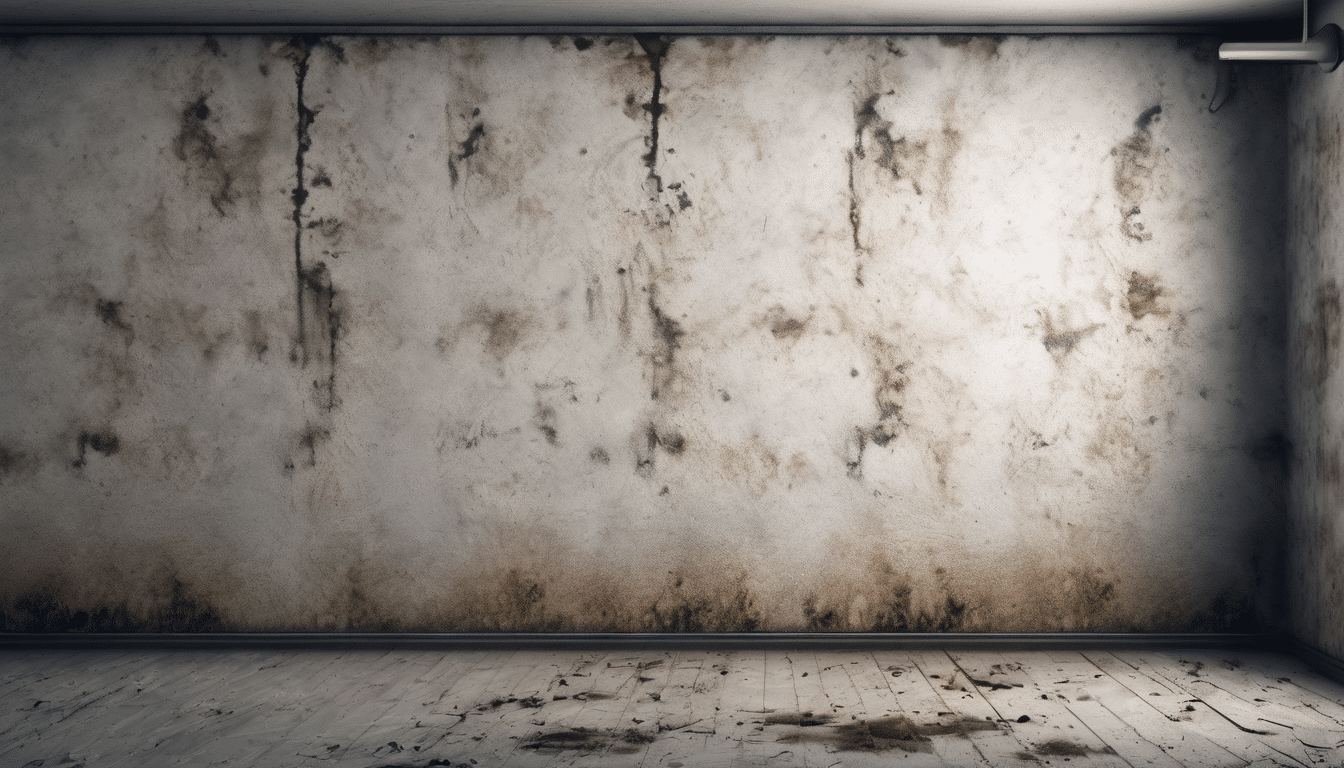
Understanding Hidden Mold Detection Methods Behind Basement Walls is essential. Basement flooding creates perfect conditions for hidden mold growth behind walls, where moisture becomes trapped within building materials and remains undetected for months. In Dubai’s humid climate, these concealed contamination zones pose serious health risks and structural damage that conventional visual inspections cannot identify.
Hidden mold detection methods behind basement walls require sophisticated diagnostic tools and scientific approaches that go far beyond surface-level examination. Professional investigators use thermal imaging, moisture mapping, borescope inspection, and laboratory-grade air sampling to uncover contamination that remains invisible to standard assessment techniques.
Understanding when and how to deploy these detection methods becomes critical for property owners dealing with post-flood conditions, unexplained health symptoms, or musty odours without visible mold growth.
Understanding Hidden Mold Detection Methods Behind Basement Walls
Hidden mold detection methods behind basement walls operate on scientific principles that reveal contamination through indirect evidence rather than visual confirmation. These approaches measure moisture content, temperature variations, air quality changes, and structural conditions that indicate mold growth within concealed spaces.
Professional detection begins with understanding that mold requires specific conditions: moisture content above 60% relative humidity, organic materials for nutrition, and temperatures between 15-35°C. When these conditions exist behind basement walls, mold colonies develop rapidly but remain invisible until advanced stages cause structural damage or health symptoms.
The challenge lies in detecting these conditions without destructive investigation. Modern hidden mold detection methods behind basement walls use non-invasive technologies that identify problem areas before requiring wall penetration or material removal.
Building Science Principles
Effective detection relies on understanding hygrothermal dynamics—how moisture and heat move through building materials. In Dubai’s climate-controlled environments, temperature differentials between air-conditioned interiors and humid exterior conditions create condensation zones within wall cavities.
These moisture accumulation patterns follow predictable pathways based on construction materials, insulation placement, and vapour barrier integrity. Professional investigators map these patterns to identify high-risk areas for focused detection efforts.
Hidden Mold Detection Methods Behind Basement Walls – Thermal Imaging Detection Technology
Thermal imaging represents one of the most reliable hidden mold detection methods behind basement walls, revealing temperature variations that indicate moisture problems and potential mold growth. Professional-grade thermal cameras detect temperature differences as small as 0.1°C, identifying areas where evapotranspiration from mold colonies creates cooling effects.
The technology works by measuring infrared radiation emitted by surfaces, creating visual maps of temperature distribution across wall surfaces. Mold colonies generate metabolic heat and moisture release, creating distinctive thermal signatures that experienced investigators recognise as contamination indicators.
Professional Thermal Imaging Advantages
High-resolution thermal cameras costing AED 15,000-45,000 provide detailed imaging that reveals subtle temperature patterns indicating hidden moisture problems. Professional operators understand how to interpret thermal signatures within Dubai’s challenging environmental conditions, where extreme temperature differentials can mask contamination signs.
Professional thermal imaging services typically cost AED 800-1,500 for comprehensive basement assessment, providing detailed reports with annotated thermal images and problem area identification.
Consumer-Grade Limitations
Consumer thermal cameras priced below AED 2,000 lack the resolution and sensitivity required for reliable hidden mold detection methods behind basement walls. These devices often miss subtle temperature variations that indicate early-stage contamination or moisture intrusion.
Additionally, inexperienced operators frequently misinterpret thermal images, confusing normal building thermal patterns with contamination indicators or missing critical signs of hidden mold growth.
Hidden Mold Detection Methods Behind Basement Walls – Moisture Mapping and Measurement Systems
Moisture mapping forms the foundation of systematic hidden mold detection methods behind basement walls, using calibrated instruments to measure moisture content within building materials without destructive testing. Professional moisture meters penetrate up to 25mm into wall materials, providing accurate readings of moisture conditions that support mold growth.
The process involves creating detailed moisture maps that identify elevated readings indicating water intrusion, condensation accumulation, or plumbing leaks within wall cavities. These measurements guide targeted investigation and help prioritise areas requiring immediate attention.
Pin-Type Moisture Meters
Pin-type meters insert electrodes into wall materials, measuring electrical resistance changes that correlate with moisture content. Professional-grade instruments provide readings accurate to within 1% moisture content, identifying problem areas requiring further investigation.
These devices work effectively on wood, drywall, and masonry materials commonly found in Dubai basement construction. Readings above 20% moisture content in wood or 4% in concrete indicate conditions supporting mold growth behind walls.
Non-Invasive Moisture Detection
Scanning moisture meters use electromagnetic technology to detect moisture content without penetrating wall surfaces, making them ideal for finished basement areas where pin insertion would cause cosmetic damage.
Advanced scanning systems can detect moisture up to 40mm deep within wall assemblies, identifying wet areas behind ceramic tiles, painted surfaces, or decorative finishes without requiring surface damage.
Borescope Inspection Techniques
Borescope inspection provides direct visual access to concealed spaces behind basement walls, representing one of the most definitive hidden mold detection methods behind basement walls available to investigators. Professional borescopes feature flexible fibres or digital cameras that navigate through small holes drilled into wall surfaces.
This minimally invasive approach requires drilling holes typically 6-12mm in diameter, allowing visual inspection of cavity conditions, mold growth patterns, and moisture damage that remains invisible through other detection methods.
Digital Borescope Capabilities
Professional digital borescopes feature high-resolution cameras with LED illumination, recording capabilities, and articulating heads that navigate complex wall cavity geometries. These systems document findings with photographic evidence, providing clear documentation of contamination conditions.
Advanced borescopes include measurement capabilities, allowing investigators to document cavity dimensions, material conditions, and contamination extent from single access points.
Inspection Protocol
Professional borescope inspection follows systematic protocols that minimise property damage while maximising investigative coverage. Access points are carefully planned based on thermal imaging and moisture mapping results, targeting areas with highest contamination probability.
The process typically requires 2-4 hours for comprehensive basement investigation, with hole patching and cosmetic repair included in professional service packages costing AED 1,200-2,500.
Air Sampling and Laboratory Analysis
Air sampling provides quantitative data about mold spore concentrations behind basement walls, using specialised equipment to capture airborne particles for laboratory identification and enumeration. Professional air sampling represents one of the most scientifically rigorous hidden mold detection methods behind basement walls.
The process involves collecting air samples from suspected contamination areas and comparing results with outdoor control samples or unaffected indoor areas. Laboratory analysis identifies mold species present and quantifies spore concentrations that indicate active growth behind concealed surfaces.
Spore Trap Sampling
Spore trap sampling uses calibrated pumps to draw measured air volumes through collection media, capturing mold spores and other airborne particles for microscopic analysis. Professional sampling protocols ensure accurate representation of air quality conditions near suspected contamination sources.
Laboratory analysis typically requires 3-5 business days, providing detailed reports with species identification, spore counts, and contamination risk assessment based on established exposure guidelines.
Viable Air Sampling
Viable air sampling collects living mold spores on nutrient media, allowing laboratory cultivation and precise species identification through morphological and genetic analysis. This approach provides the most detailed information about mold types present behind basement walls.
The method requires longer laboratory processing time (7-14 days) but offers superior accuracy for identifying problematic species like Stachybotrys, Aspergillus, or Chaetomium that pose elevated health risks.
Surface Sampling Methods
Surface sampling techniques detect mold contamination on wall surfaces adjacent to hidden growth areas, providing evidence of concealed colonies through spore deposition patterns. These hidden mold detection methods behind basement walls analyse dust, debris, or surface materials for mold presence and species identification.
Professional surface sampling uses sterile collection techniques that avoid cross-contamination while gathering representative samples from suspected problem areas.
Tape Lift Sampling
Tape lift sampling uses clear adhesive tape to collect surface debris and particles for laboratory analysis, providing rapid identification of mold types present on wall surfaces. The method works effectively on smooth surfaces where spore deposition from hidden sources creates detectable contamination patterns.
Laboratory processing requires 2-3 business days, with results indicating mold species present and relative abundance based on particle counts and morphological characteristics.
Bulk Material Sampling
Bulk material sampling collects small pieces of wall materials, insulation, or debris for laboratory cultivation and analysis. This approach provides definitive evidence when hidden mold growth has penetrated building materials or created visible staining on concealed surfaces.
The method requires minimal material removal but provides comprehensive species identification and contamination extent assessment through detailed laboratory analysis.
Professional vs DIY Detection Comparison
Understanding the limitations and capabilities of different approaches helps property owners make informed decisions about hidden mold detection methods behind basement walls. Professional investigation offers sophisticated equipment, scientific expertise, and comprehensive reporting that DIY approaches cannot match.
Professional Investigation Advantages
Professional services provide calibrated equipment worth AED 50,000-150,000, ensuring accurate measurements and reliable contamination detection. Experienced investigators understand Dubai’s unique environmental conditions, building construction methods, and common contamination patterns.
Professional reports include detailed documentation, laboratory results, and remediation recommendations based on scientific findings rather than assumptions or generalised guidance.
DIY Method Limitations
Consumer-grade moisture meters, basic thermal cameras, and home test kits provide limited accuracy and often miss concealed contamination that professional methods would detect. Inexperienced operators frequently misinterpret results, leading to incorrect conclusions about contamination presence or extent.
DIY approaches lack the systematic methodology and scientific validation that professional hidden mold detection methods behind basement walls provide, potentially overlooking serious contamination problems that require immediate attention.
When to Use Hidden Mold Detection Methods
Specific circumstances indicate when professional hidden mold detection methods behind basement walls become necessary for accurate contamination assessment. These situations typically involve health symptoms, environmental conditions, or building problems that suggest concealed mold growth.
Post-Flooding Investigation
Basement flooding events require comprehensive hidden mold detection within 48-72 hours, as mold growth begins rapidly in wet building materials. Professional investigation identifies affected areas behind walls before visible growth appears, enabling targeted remediation that prevents extensive contamination.
Dubai’s humid conditions accelerate mold development, making prompt professional assessment critical for preventing long-term health risks and structural damage.
Unexplained Health Symptoms
Respiratory symptoms, allergic reactions, or neurological effects without obvious causes often indicate hidden mold exposure from concealed sources. Professional detection methods provide definitive answers about contamination presence and species identification for health risk assessment.
Medical professionals increasingly recommend environmental investigation when patients present with symptoms consistent with mold-related illness, particularly in buildings with moisture history or poor ventilation.
Musty Odours Without Visible Growth
Persistent musty odours typically indicate active mold growth behind walls or within HVAC systems, requiring professional investigation to identify contamination sources. Hidden mold detection methods behind basement walls locate these concealed problems before they develop into major remediation projects.
Early detection allows targeted intervention that addresses root causes while contamination remains manageable and cost-effective to remediate.
Cost Considerations in Dubai Market
Professional hidden mold detection methods behind basement walls represent significant investments that property owners should evaluate against potential health risks and remediation costs. Dubai market pricing reflects the specialised equipment and expertise required for accurate contamination assessment.
Service Pricing Structure
Comprehensive professional investigation typically costs AED 2,500-5,000 for standard basement areas, including thermal imaging, moisture mapping, air sampling, and detailed reporting. Complex properties or extensive contamination concerns may require additional investment for thorough assessment.
Laboratory analysis adds AED 400-800 per sample, with most investigations requiring 3-6 samples for adequate coverage of suspected problem areas.
Cost-Benefit Analysis
Early detection prevents extensive remediation projects that can cost AED 15,000-50,000 for major basement contamination problems. Professional investigation identifies specific problem areas, allowing targeted intervention rather than precautionary demolition of unaffected materials.
Health costs associated with prolonged mold exposure often exceed investigation expenses, making professional detection a prudent investment for protecting family wellbeing and property value.
Hidden mold detection methods behind basement walls provide essential diagnostic capabilities for identifying concealed contamination that threatens indoor health and building integrity. Professional investigation using thermal imaging, moisture mapping, borescope inspection, and laboratory analysis offers scientific accuracy that DIY approaches cannot match.
Property owners dealing with basement moisture problems, unexplained health symptoms, or post-flooding conditions benefit from comprehensive professional assessment that identifies contamination sources and guides effective remediation planning. The investment in professional detection prevents costly remediation surprises while protecting occupant health through evidence-based contamination assessment.
Early detection remains the most effective strategy for managing hidden mold problems, allowing targeted intervention before contamination develops into major health risks or structural damage requiring extensive reconstruction. Understanding Hidden Mold Detection Methods Behind Basement Walls is key to success in this area.