
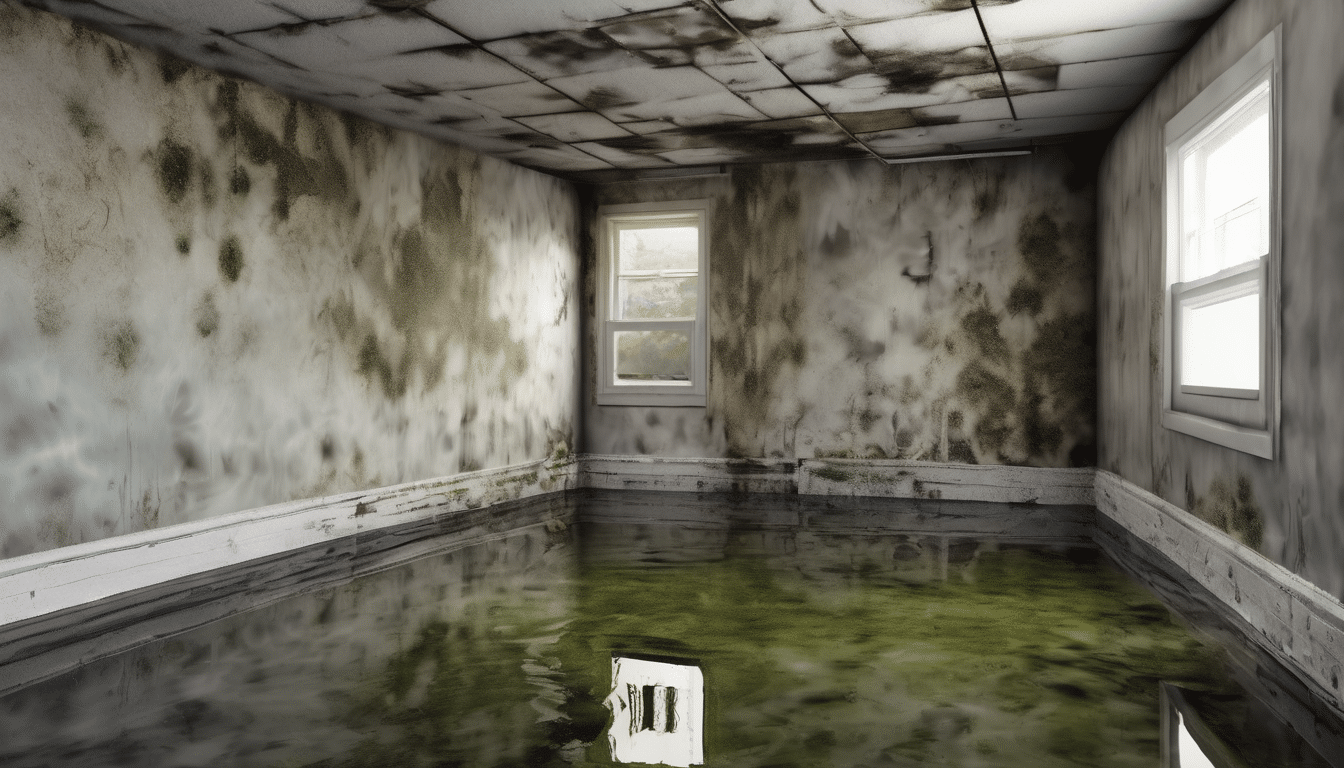
When basement flooding strikes your Dubai property, the immediate concern focuses on water removal and damage assessment. However, the question of mold testing often emerges days or weeks later, when occupants notice musty odours or experience unexplained health symptoms. Should I test for mold after basement flooding? The answer depends on several critical factors that building science and microbiology reveal about post-flood environments.
Basement flooding creates nearly perfect conditions for mold amplification. Within 24 to 72 hours, water-damaged materials begin supporting microbial growth, particularly when humidity levels remain elevated above 60 percent. In Dubai’s climate, where outdoor humidity frequently exceeds 80 percent, basement spaces can retain moisture for extended periods, especially when ventilation systems fail or become compromised during flooding events. This relates directly to Test For Mold After Basement Flooding.
The decision to test for mold after basement flooding should not be based solely on visible growth or obvious odours. Hidden contamination often develops behind walls, under flooring, and within building cavities where moisture persists undetected. Professional testing provides objective data about contamination levels, species identification, and the extent of airborne spore distribution throughout the property.
Test For Mold After Basement Flooding – Understanding Mold Development After Flooding
Basement flooding initiates a predictable sequence of microbial events that building science research has documented extensively. Water intrusion saturates porous materials including drywall, insulation, carpeting, and wooden structural elements. When these materials maintain moisture content above 16 percent, mold spores naturally present in indoor environments begin germinating and establishing colonies.
The timeline for mold development after basement flooding follows consistent patterns. Within 24 to 48 hours, initial spore germination occurs on wet surfaces. By day three to five, visible growth may appear on highly absorbent materials. However, the question should I test for mold after basement flooding becomes most relevant between days seven to fourteen, when hidden growth accelerates behind building assemblies.
Dubai’s subtropical climate complicates post-flood drying efforts significantly. Outdoor humidity levels frequently exceed indoor moisture targets, making natural drying ineffective. Air-conditioning systems, often damaged during flooding events, cannot adequately dehumidify basement spaces. This creates prolonged moisture exposure periods that favour extensive mold amplification. When considering Test For Mold After Basement Flooding, this becomes clear.
Moisture Migration Patterns
Understanding moisture behaviour after flooding helps explain why testing becomes essential. Water travels through building assemblies following paths of least resistance. Concrete basement walls, common in Dubai construction, can retain moisture for months after surface water removal. Capillary action draws moisture upward into wall cavities, creating hidden growth environments.
The hygrothermal dynamics of flooded basements create microclimates with varying moisture levels throughout the space. Areas near foundation walls may maintain higher humidity than central zones. HVAC equipment rooms often develop distinct moisture patterns due to equipment heat and limited ventilation. These variations mean that visible assessment alone cannot determine comprehensive contamination levels.
Species Considerations in Post-Flood Environments
Different mold species colonise flood-damaged materials at varying rates and under different moisture conditions. Aspergillus species typically establish quickly on wet drywall and paper materials. Penicillium species favour slightly lower moisture conditions and may develop weeks after initial flooding. Stachybotrys, often called “black mold,” requires sustained moisture exposure and cellulose-based materials.
The question should I test for mold after basement flooding becomes particularly important because species identification influences health risk assessment and remediation strategies. Some species produce mycotoxins under specific environmental conditions, while others primarily cause allergic responses. Laboratory testing provides species-level identification that visual inspection cannot achieve.
When Should I Test for Mold After Basement Flooding?
Several specific scenarios indicate when mold testing becomes essential after basement flooding. The decision should not rely solely on visible growth detection, as significant contamination often develops in concealed locations. Professional testing becomes particularly valuable when building occupants report health symptoms, when remediation planning requires contamination level data, or when insurance documentation demands objective evidence. The importance of Test For Mold After Basement Flooding is evident here.
Occupant health symptoms provide important indicators for testing needs. Respiratory irritation, persistent coughing, headaches, or fatigue following basement flooding may suggest mold exposure. However, these symptoms can result from various indoor air quality issues beyond mold contamination. Testing helps differentiate between mold-related health impacts and other post-flood environmental concerns.
The extent of water damage influences testing requirements significantly. Flooding that affects finished basement areas with drywall, carpeting, and furniture creates higher contamination risk than concrete-only spaces. When water remains present for more than 48 hours, or when drying efforts prove inadequate, testing becomes increasingly important for understanding hidden contamination patterns.
Insurance and Documentation Requirements
Many insurance policies require professional mold assessment following water damage claims. The question should I test for mold after basement flooding often emerges during insurance investigations, particularly when coverage disputes arise. Objective testing data supports both property owner claims and insurance company risk assessments.
Documentation requirements vary among insurance providers, but most accept air sampling and surface testing results from certified professionals. Some policies specify testing timeframes, requiring assessment within specific periods after flooding events. Understanding these requirements helps property owners make informed testing decisions.
Pre-Remediation Planning
Effective mold remediation requires accurate contamination assessment before work begins. Testing determines the scope of affected areas, identifies specific species present, and establishes baseline conditions for post-remediation verification. Without pre-work testing, remediation contractors cannot design appropriate containment, establish proper work protocols, or verify successful completion. Understanding Test For Mold After Basement Flooding helps with this aspect.
The complexity of post-flood remediation makes testing particularly valuable. Flood damage often affects multiple building systems simultaneously, including structural elements, mechanical equipment, and finished surfaces. Testing helps prioritise remediation efforts and ensures that hidden contamination receives appropriate attention.
Test For Mold After Basement Flooding: Types of Mold Testing After Flood Damage
Air sampling represents the most comprehensive approach for assessing mold contamination after basement flooding. This method collects airborne spores throughout the affected space, providing data about overall contamination levels and species distribution. Air sampling detects both visible and hidden mold sources, making it particularly valuable for post-flood environments where growth may occur behind walls or under flooring.
Spore trap sampling captures airborne particles on collection media for laboratory analysis. This method provides quantitative data about spore concentrations and identifies specific genera present in the environment. In flood-damaged basements, spore trap sampling helps determine whether remediation efforts successfully reduced airborne contamination to acceptable levels.
Viable sampling cultures collected spores on growth media, allowing laboratory identification of live organisms. This approach provides definitive species identification and determines whether collected organisms remain capable of growth and reproduction. However, viable sampling requires longer laboratory processing times and may not detect all species present in the environment.
Surface Sampling Methods
Surface sampling complements air sampling by testing specific materials and locations for mold contamination. Tape lift sampling collects organisms directly from surfaces using adhesive tape, providing immediate visual evidence of growth. This method works effectively on smooth surfaces but may not capture organisms embedded in porous materials. Test For Mold After Basement Flooding factors into this consideration.
Swab sampling uses sterile collection devices to gather organisms from surfaces, particularly from irregular or textured materials. Laboratory analysis of swab samples provides both quantitative data about organism levels and species identification. In post-flood basements, swab sampling helps assess contamination on specific materials targeted for cleaning or replacement.
Bulk material sampling involves collecting physical samples of affected materials for laboratory analysis. This method provides the most detailed information about contamination within porous materials such as drywall, insulation, or carpeting. When the question should I test for mold after basement flooding focuses on specific materials, bulk sampling offers definitive answers about internal contamination levels.
Advanced Testing Technologies
Environmental relative moldiness index (ERMI) testing uses DNA-based analysis to identify and quantify specific mold species in dust samples. This method detects organisms that traditional culture methods might miss and provides detailed species-level information. ERMI testing particularly benefits properties with recurring moisture problems or sensitive occupants.
Mycotoxin testing measures toxic metabolites produced by certain mold species under specific environmental conditions. This specialised testing becomes relevant when occupants report severe health symptoms or when laboratory analysis identifies potentially toxigenic species. However, mycotoxin testing requires careful interpretation and should supplement, not replace, conventional mold assessment methods.
Should I Test for Mold: Timing Considerations
The timing of mold testing after basement flooding significantly influences result accuracy and remediation planning effectiveness. Testing too early may not detect developing contamination, while delayed testing may miss critical remediation windows. Understanding optimal testing schedules helps property owners make informed decisions about when assessment provides maximum value. This relates directly to Test For Mold After Basement Flooding.
Immediate post-flood testing, conducted within 24 to 48 hours, primarily documents baseline conditions and identifies pre-existing contamination. While mold growth has not yet established from flood damage, this early testing helps differentiate between flood-related contamination and previous indoor air quality issues. Insurance documentation often requires this immediate assessment for coverage determination.
The question should I test for mold after basement flooding becomes most relevant between days five to ten after water intrusion. During this period, initial mold amplification becomes detectable through air sampling, while remediation intervention remains most effective. Testing at this stage provides actionable data for remediation planning without allowing extensive contamination development.
Post-Remediation Verification Timing
Post-remediation verification testing requires specific timing considerations to ensure accurate results. Testing immediately after remediation completion may detect disturbed spores rather than remaining contamination sources. Most protocols recommend waiting 24 to 48 hours after remediation completion before conducting verification sampling.
The stabilisation period allows airborne spore levels to return to baseline conditions, providing more accurate assessment of remediation effectiveness. However, extended delays may allow new contamination development if moisture sources remain unresolved. Optimal verification timing balances accurate assessment with prompt occupant reentry.
Long-term Monitoring Considerations
Some post-flood scenarios benefit from extended monitoring rather than single-event testing. Properties with persistent moisture problems, recurring flooding risk, or sensitive occupants may require periodic assessment over several months. This monitoring approach helps identify developing problems before extensive contamination occurs. When considering Test For Mold After Basement Flooding, this becomes clear.
Seasonal timing considerations affect testing schedules in Dubai’s climate. Higher humidity periods may influence both contamination development and testing accuracy. Understanding these climate patterns helps property owners schedule testing for optimal result reliability and interpretation.
Interpreting Test Results After Flooding
Proper interpretation of mold test results requires understanding both laboratory data and environmental context specific to post-flood conditions. Raw spore counts or species identification alone cannot determine health risk or remediation requirements. Professional interpretation considers contamination levels, species types, building conditions, and occupant sensitivity factors.
Airborne spore concentrations in flood-damaged spaces typically exceed normal indoor levels significantly. However, no universal “safe” threshold exists for mold exposure. Interpretation must consider baseline outdoor levels, species diversity, and comparison with unaffected areas of the same building. The question should I test for mold after basement flooding often leads to result interpretation challenges that require professional expertise.
Species identification provides critical information for risk assessment and remediation planning. Common indoor species such as Cladosporium or Penicillium may indicate moisture problems but pose lower health risks than species like Aspergillus or Stachybotrys. However, any species present in elevated concentrations following flooding suggests underlying moisture problems requiring attention.
Comparative Analysis Methods
Effective result interpretation relies on comparative analysis between affected and unaffected areas. Testing both the flood-damaged basement and upper floors provides baseline comparison data. Significant elevation in basement spore levels compared to unaffected areas indicates flood-related contamination requiring remediation. The importance of Test For Mold After Basement Flooding is evident here.
Outdoor comparison samples help distinguish between normal environmental fungi and indoor amplification sources. In Dubai’s climate, certain species occur naturally at high outdoor concentrations. Indoor levels exceeding outdoor concentrations by significant margins suggest internal contamination sources rather than natural infiltration.
Health Risk Assessment
Interpreting health implications from test results requires careful consideration of multiple factors beyond simple spore counts. Individual sensitivity varies significantly among building occupants. Some individuals develop symptoms at relatively low exposure levels, while others tolerate higher concentrations without obvious effects.
The question should I test for mold after basement flooding often relates to health concerns, but test results cannot predict individual health responses. Results provide objective data about environmental conditions, which health professionals can use alongside medical evaluation for comprehensive assessment. Property owners should avoid attempting medical diagnosis based solely on environmental testing results.
Cost Considerations for Post-Flood Testing
Mold testing costs after basement flooding vary significantly based on testing scope, laboratory methods, and professional expertise required. In Dubai, comprehensive air sampling typically ranges from AED 800 to AED 1,500 per sample location, while surface testing adds AED 300 to AED 600 per sample. Understanding these costs helps property owners budget appropriately for post-flood assessment.
The total testing investment depends on basement size, contamination complexity, and documentation requirements. A typical residential basement assessment including multiple air samples, surface testing, and professional interpretation ranges from AED 2,500 to AED 5,000. Commercial properties or complex contamination scenarios may require AED 8,000 to AED 15,000 for comprehensive assessment. Understanding Test For Mold After Basement Flooding helps with this aspect.
Insurance coverage for mold testing varies among policies and providers. Some comprehensive coverage includes environmental assessment following water damage, while basic policies exclude mold-related expenses. Property owners should verify coverage details before proceeding with testing to understand potential out-of-pocket expenses.
Cost-Benefit Analysis
When considering should I test for mold after basement flooding from a financial perspective, testing costs must be weighed against potential remediation expenses and health impacts. Undetected contamination can lead to extensive remediation requirements costing AED 20,000 to AED 50,000 or more for comprehensive basement treatment.
Early testing investment often reduces total remediation costs by identifying contamination scope before extensive amplification occurs. Targeted remediation based on testing data typically costs significantly less than comprehensive demolition and reconstruction approaches used when contamination extent remains unknown.
Long-term Financial Implications
Hidden mold contamination affects property values and marketability significantly. Properties with documented mold problems may require disclosure to potential buyers, impacting sale prices by 10 to 20 percent in Dubai’s real estate market. Professional testing and documented remediation help maintain property values and facilitate future transactions.
Ongoing health impacts from unresolved contamination create additional financial burdens through medical expenses and lost productivity. While difficult to quantify precisely, chronic exposure symptoms can result in substantial healthcare costs over time, making initial testing investment economically justified. Test For Mold After Basement Flooding factors into this consideration.
Prevention Strategies Beyond Testing
While testing provides valuable contamination assessment data, preventing future mold problems requires addressing underlying moisture sources and building system failures that contribute to flooding vulnerability. The question should I test for mold after basement flooding represents reactive assessment, but effective prevention focuses on proactive moisture management and building improvements.
Basement waterproofing systems require regular inspection and maintenance to prevent recurring flooding events. External drainage systems, foundation sealing, and sump pump functionality all contribute to flood prevention. In Dubai’s intense rainfall periods, these systems experience significant stress that can lead to failure without proper maintenance.
HVAC system improvements often provide the most effective long-term mold prevention after flooding events. Properly designed ventilation removes excess humidity and maintains indoor conditions that discourage microbial growth. Basement spaces particularly benefit from dedicated dehumidification systems that maintain humidity levels below 50 percent consistently.
Building Envelope Improvements
Post-flood reconstruction provides opportunities for building envelope improvements that reduce future contamination risk. Vapour barrier installation, improved insulation systems, and moisture-resistant materials help control humidity levels and reduce condensation potential. These improvements often prove more cost-effective during reconstruction than as separate projects.
Material selection significantly influences future mold resistance. Replacing traditional drywall with mold-resistant alternatives, using concrete flooring instead of carpeting, and selecting low-porosity materials reduces substrate availability for future growth. These choices require higher initial investment but provide long-term contamination prevention. This relates directly to Test For Mold After Basement Flooding.
Monitoring and Maintenance Programs
Establishing regular monitoring programs helps detect developing moisture problems before extensive contamination occurs. Monthly basement inspections, seasonal HVAC maintenance, and annual moisture testing provide early warning systems for potential problems. Property managers in Dubai’s climate particularly benefit from structured monitoring approaches.
Documentation systems track moisture levels, maintenance activities, and environmental changes over time. This historical data helps identify patterns that contribute to moisture problems and validates prevention system effectiveness. Proper documentation also supports insurance claims and property value maintenance.
Professional vs DIY Testing Approaches
The complexity of post-flood mold assessment generally favours professional testing approaches over do-it-yourself methods. Professional testing provides standardised sampling protocols, laboratory-grade analysis, and expert interpretation that DIY methods cannot match. When considering should I test for mold after basement flooding, the decision often centers on accuracy requirements and result reliability.
Professional testing companies use calibrated equipment, follow established protocols, and maintain quality assurance programs that ensure result accuracy. Certified professionals understand sampling strategies that account for air movement patterns, contamination distribution, and environmental factors affecting result reliability. This expertise becomes particularly valuable in complex post-flood scenarios.
DIY testing kits, while more affordable at AED 150 to AED 400 per kit, provide limited information compared to professional assessment. Most consumer kits use basic culture methods that may not detect all species present and cannot provide quantitative contamination level data. Result interpretation typically remains limited to simple presence or absence determinations. When considering Test For Mold After Basement Flooding, this becomes clear.
Accuracy and Reliability Considerations
Professional testing accuracy stems from standardised collection methods, chain-of-custody procedures, and accredited laboratory analysis. These quality controls ensure result reliability for insurance documentation, legal proceedings, or remediation planning. DIY methods rarely provide documentation quality sufficient for these purposes.
The question should I test for mold after basement flooding often relates to situations requiring defensible data. Professional testing provides legally admissible results with documented collection procedures and laboratory certification. This documentation becomes essential when disputes arise regarding contamination sources or remediation requirements.
Comprehensive Assessment Capabilities
Professional assessment includes visual inspection, moisture measurement, building system evaluation, and environmental sampling as integrated services. This comprehensive approach identifies contamination sources, evaluates building conditions contributing to growth, and provides recommendations for both immediate remediation and long-term prevention.
DIY testing focuses solely on sampling without broader environmental assessment. Property owners using DIY methods must separately address moisture source identification, building system evaluation, and contamination source location. This fragmented approach often misses critical factors contributing to contamination problems.
Professional services include ongoing support for result interpretation, remediation planning, and post-work verification. This consultation component helps property owners understand result implications and make informed decisions about response strategies. DIY testing provides results without guidance for appropriate response actions.
Understanding when and how to test for mold after basement flooding requires balancing scientific accuracy with practical considerations. Professional testing provides the most reliable assessment for complex post-flood scenarios, while prevention strategies address underlying causes that contribute to contamination risk. Property owners in Dubai’s challenging climate particularly benefit from comprehensive approaches that combine accurate assessment with effective prevention measures.
The decision should I test for mold after basement flooding ultimately depends on contamination risk factors, occupant health considerations, and long-term property protection goals. Professional consultation helps evaluate these factors and develop appropriate testing strategies that provide actionable information for protecting both property and occupant health.
Effective post-flood mold management requires understanding contamination development patterns, implementing appropriate testing methods, and addressing underlying moisture sources that contribute to growth. This comprehensive approach helps property owners navigate the complex decisions surrounding mold assessment and develop strategies that provide both immediate problem resolution and long-term contamination prevention. Understanding Test For Mold After Basement Flooding is key to success in this area.