
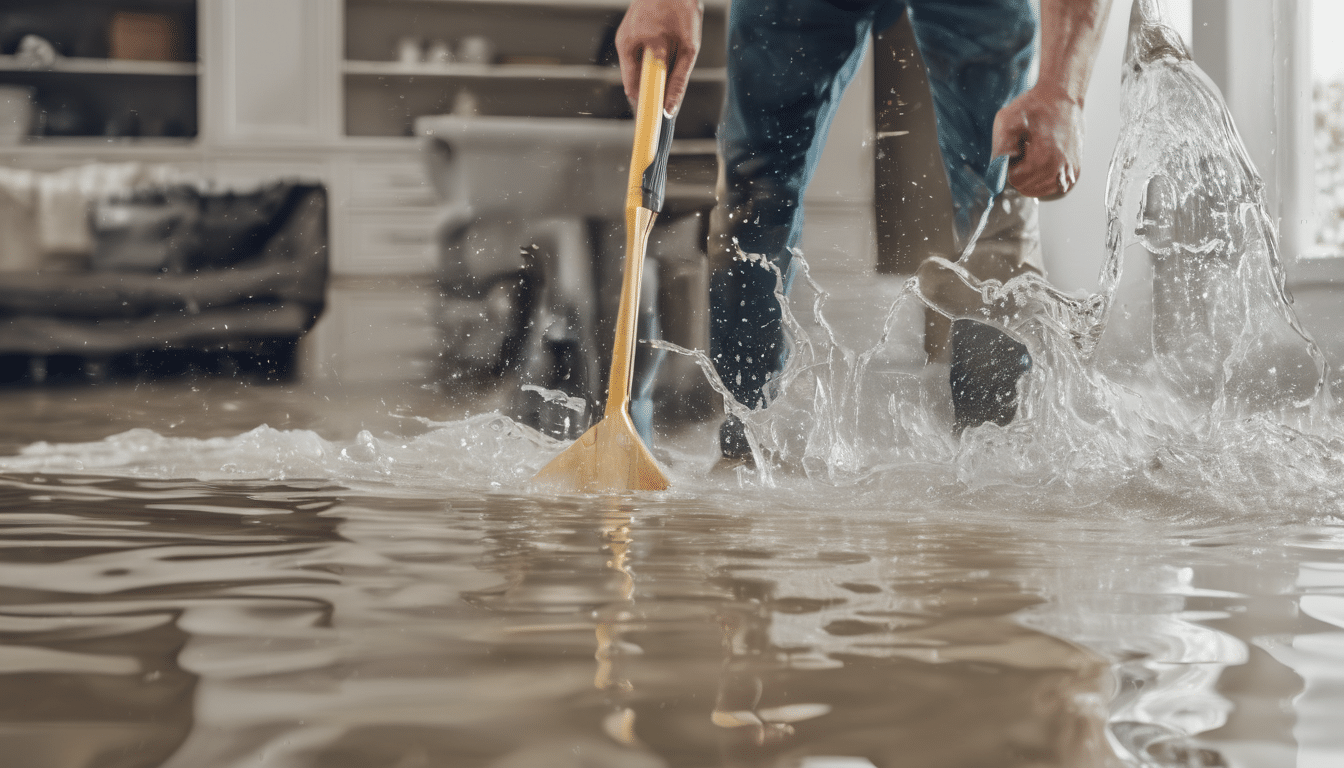
Understanding Understanding Your Rights During Water Damage Restoration is essential.
Introduction to Understanding Your Rights During Water Damage Restoration
Water damage can be a devastating experience for any homeowner, leading not only to structural issues but also potential health hazards like mold growth. As you navigate the restoration process, it’s crucial to understand your rights and responsibilities to ensure that the job is handled properly and ethically. This article will guide you through understanding what to expect from contractors, insurance companies, and how to protect yourself during the water damage restoration process.
Your Rights When Dealing with Water Damage and Mold Remediat
When dealing with water damage and mold remediation, you have several rights that must be respected. These include:
- The right to receive a detailed assessment of the damage before any work begins.
- The right to choose your own contractor or have an independent assessor verify their work.
- The right to a written contract outlining all terms, including timelines and costs.
- The right to safe working conditions for those performing the restoration.
- The right to receive a completed restoration that meets industry standards and addresses both visible and hidden damage.
Understanding your rights is crucial in ensuring that you are not taken advantage of during this stressful time. Always request a detailed proposal and ensure all parties involved are transparent about the scope and expected outcomes of the work.
Navigating Water Damage Insurance Claims in the UAE
When dealing with insurance claims for water damage, it’s essential to follow a structured approach. Here are some key steps:
- Document everything: Take photos and videos of the damage before starting any restoration work.
- Review your policy: Understand what is covered under your insurance plan, including deductibles and limits.
- File a claim promptly: Notify your insurer as soon as possible to ensure timely processing.
- Seek an independent assessment: Consider getting a separate evaluation from a qualified professional to verify the damage and costs.
- Work with your insurance adjuster: Collaborate closely with them to provide necessary documentation and updates on the restoration progress.
Your goal is to ensure that you are fairly compensated for the damages and that the claims process runs smoothly. By staying informed and proactive, you can protect your rights during this challenging time.
Negotiating Mold Remediation Costs with Contractors in Dubai
Mold remediation is a complex process that requires expertise. Here’s how to approach negotiations:
- Get multiple quotes: Request bids from several reputable contractors and compare their proposals.
- Understand the scope of work: Ensure you know exactly what is included in each quote, including pre-remediation testing, containment procedures, and post-remediation verification.
- Negotiate payment terms: Discuss upfront costs versus phased payments to manage cash flow during the restoration process.
- Ask for a written plan: Request detailed plans that outline the remediation steps, timelines, and expected outcomes.
By being informed and prepared, you can ensure that mold remediation costs are transparent and fair. Remember to prioritize your health and safety over quick fixes or unproven methods.
Choosing the Right Mold Testing Methods for Insurance Claims
Accurate testing is crucial when making insurance claims related to mold damage. Here are some key factors:
- Lab-confirmed methods: Opt for testing that involves sending samples to a certified laboratory for analysis.
- NASC-accredited labs: Choose laboratories accredited by the National Accreditation Board for Testing and Calibration Laboratories (NABL) or similar bodies.
- Species identification: Ensure the testing includes species identification, as different molds can have varying health impacts.
- Pre-remediation vs. post-remediation: Compare samples before and after remediation to assess effectiveness.
Precision in mold testing is essential for effective insurance claims. By choosing the right methods, you can ensure that your claim is supported by scientific evidence.
Handling Contractor Performance Issues During Restoration Projects
Even with proper planning and oversight, issues may arise during restoration projects. Here’s how to address them:
- Document every step: Keep a detailed record of the contractor’s work, including photos and notes.
- Communicate clearly: Maintain open lines of communication with your contractor to resolve any issues promptly.
- Seek third-party verification: If you suspect substandard work, request an independent evaluation from a qualified professional.
- Leverage contractual guarantees: Use the terms and conditions outlined in your contract to hold contractors accountable for their work.
By being prepared and proactive, you can ensure that contractor performance issues are resolved effectively. Protecting your rights ensures a satisfactory outcome.
Protecting Your Rights Throughout the Water Damage Restoration Process
To protect your rights during water damage restoration:
- Engage professionals: Hire experienced contractors and independent assessors to ensure quality work.
- Stay informed: Educate yourself about the processes involved in water damage restoration, including mold remediation techniques.
- Monitor progress: Regularly inspect the restoration site to ensure it meets industry standards and your expectations.
- Keep records: Maintain detailed documentation of all communications, agreements, and work performed.
Your proactive involvement in the process is key to protecting your rights. By staying informed and engaged, you can ensure a successful outcome for both structural repairs and mold remediation.
Expert Tips for Dealing with Water Damage and Mold Remediation Issues
Here are some expert tips to help you navigate water damage restoration:
- Choose a licensed professional: Ensure that any contractor or assessor is licensed and certified.
- Request detailed proposals: Insist on comprehensive plans before starting the work.
- Verify insurance coverage: Understand your policy limits and seek additional coverage if needed.
- Stay informed about moisture control: Educate yourself on proper ventilation, dehumidification, and moisture barriers to prevent future issues.
- Seek second opinions: Don’t hesitate to get a second opinion from an independent assessor if needed.
By following these expert tips, you can ensure that your rights are protected and the restoration process is handled effectively. A well-informed homeowner is better equipped to handle water damage and mold remediation challenges.
Frequently Asked Questions About Water Damage Restoration
Q1: Can I handle water damage restoration myself?
No, it is highly recommended to engage professional contractors for water damage and mold remediation. Attempting DIY repairs can lead to incomplete or improper work, potentially causing further damage.
Q2: How long should a water damage restoration take?
The duration varies based on the extent of damage but typically ranges from a few days to several weeks. Comprehensive mold remediation often takes longer due to containment and verification procedures.
Q3: Can I use DIY products for mold remediation?
No, DIY solutions are not effective or safe. Mold removal requires specific techniques and personal protective equipment (PPE) to ensure safety and effectiveness. Professional methods are necessary to address hidden growth effectively. This relates directly to Understanding Your Rights During Water Damage Restoration.
Conclusion: Your Rights During Water Damage Restoration
Understanding your rights during water damage restoration is essential for ensuring a fair and effective resolution of the issue. By knowing what you are entitled to, engaging qualified professionals, and staying informed throughout the process, you can protect yourself from potential pitfalls and achieve a satisfactory outcome.