
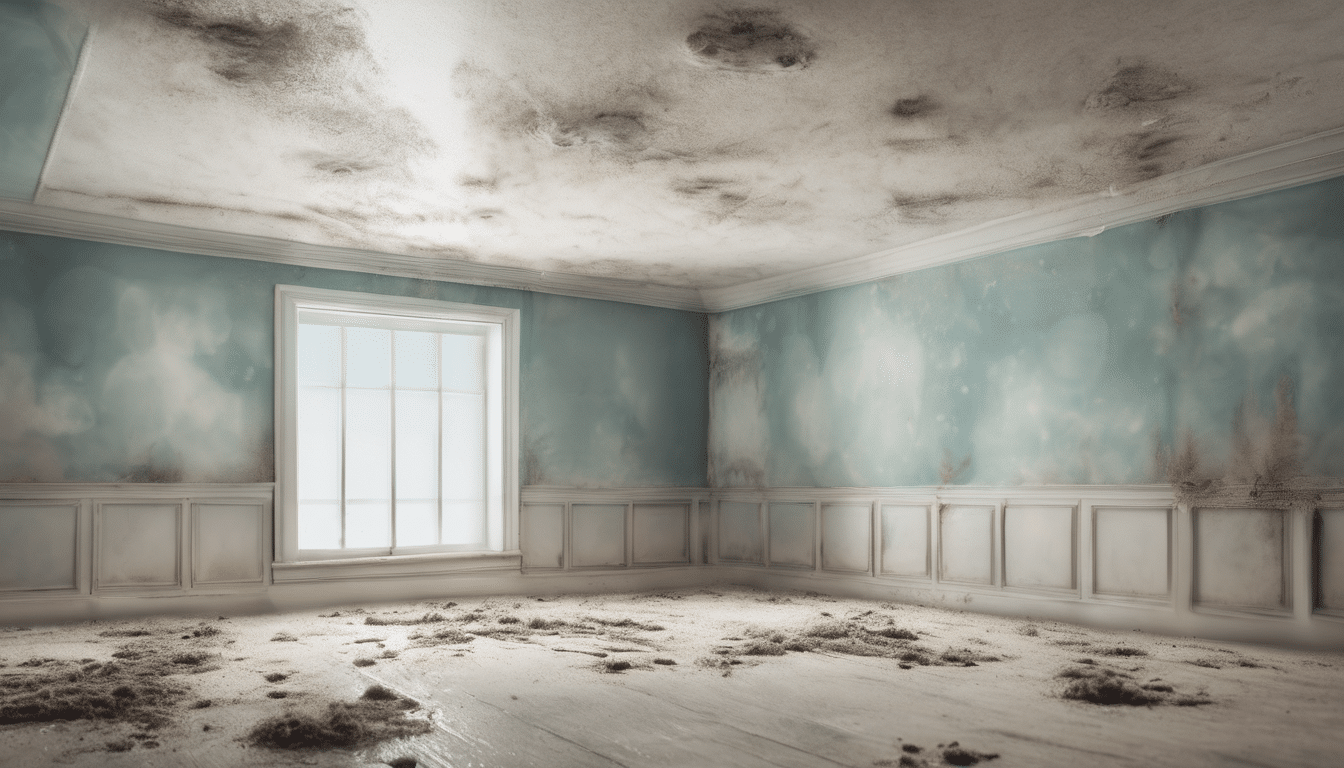
Discovering water damage from a ceiling leak can be alarming for any homeowner in Dubai or the wider UAE. The immediate concern isn’t just the visible water damage but the hidden threat of mold growth that can follow. Learning How to Prevent mold after ceiling leak requires understanding the science behind moisture intrusion, evaporation rates, and microbial growth patterns. In our region’s climate, where high humidity combines with air-conditioned interiors, the risk of mold development after water incidents is particularly significant.
This comprehensive guide explains how to prevent Mold After Ceiling leak through scientific principles and practical steps. We’ll explore why mold develops, the critical timeline for intervention, and the specific challenges faced in UAE properties. From immediate emergency response to long-term prevention strategies, you’ll learn evidence-based approaches that address both visible damage and hidden risks. Whether dealing with a minor drip or major flooding, understanding how to prevent mold after ceiling leak is essential for maintaining healthy indoor environments.
The process of how to prevent mold after ceiling leak involves more than just drying visible moisture. It requires addressing hidden dampness in ceiling cavities, insulation materials, and structural elements. In our experience with Dubai properties, we’ve found that proper moisture mapping, targeted drying, and verification testing are crucial components of successful mold prevention. This guide will walk you through each step, helping you avoid the common mistakes that lead to recurring mold problems.
Prevent Mold After Ceiling Leak: Understanding Mold Risk from Ceiling Leaks
Ceiling leaks create ideal conditions for mold growth by introducing moisture into building materials while often remaining undetected for extended periods. The space above ceilings typically has limited air circulation, allowing dampness to accumulate and creating perfect breeding grounds for mold colonies. In Dubai properties, where air conditioning systems run continuously, the temperature differential between cooled rooms and ceiling voids can accelerate condensation issues alongside existing leaks.
Mold requires three elements to grow: moisture, organic material, and appropriate temperatures. Ceiling materials like gypsum board, wood framing, and insulation provide abundant organic content, while leak water delivers the necessary moisture. The process of how to prevent mold after ceiling leak begins with understanding that mold can start developing within 24-48 hours under ideal conditions. Different mold species have varying growth requirements, but most common indoor types thrive in the damp, stagnant environments created by ceiling leaks.
The hidden nature of ceiling spaces makes mold prevention particularly challenging. Water can travel along pipes, electrical conduits, or structural elements, spreading moisture far from the original leak point. In our investigations, we frequently find mold growth in ceiling cavities that appeared dry on the surface. This is why learning how to prevent mold after ceiling leak requires comprehensive assessment rather than superficial inspection.
Prevent Mold After Ceiling Leak: Immediate Steps to Prevent Mold Growth
The first 24-48 hours after discovering a ceiling leak are critical for preventing mold establishment. Begin by stopping the water source completely—whether that means repairing a broken pipe, addressing roof damage, or fixing plumbing issues. Until the water intrusion is stopped, any drying efforts will be ineffective. Document the damage with photographs for insurance purposes before beginning cleanup operations.
Remove standing water and saturated materials promptly. Use wet vacuums for water extraction and place buckets to catch dripping water. For ceiling leaks, it’s often necessary to create strategic drainage holes to allow trapped water to escape rather than saturate the entire ceiling structure. This controlled approach to how to prevent mold after ceiling leak helps minimise the spread of moisture through building materials.
Increase air circulation dramatically using fans and open windows where possible. In Dubai’s humid climate, however, opening windows may introduce more moisture than it removes. In such cases, use dehumidifiers alongside fans to maintain air movement while controlling humidity levels. The goal is to reduce relative humidity below 60% to create conditions unfavorable for mold growth. These immediate steps form the foundation of how to prevent mold after ceiling leak effectively.
Prevent Mold After Ceiling Leak: Professional Drying Techniques and Equipment
Professional-grade equipment makes a significant difference in how to prevent mold after ceiling leak successfully. Industrial dehumidifiers can remove litres of water from the air daily, far surpassing residential units. There are two main types: refrigerant dehumidifiers work well in warmer conditions, while desiccant dehumidifiers perform better in cooler environments like air-conditioned spaces.
Air movers and centrifugal fans create the high-velocity airflow needed to evaporate moisture from materials. Professionals position these strategically to create air patterns that draw moisture away from wet surfaces. For ceiling cavities, injector dryers or ventilation systems may be installed to address hidden moisture. Thermal imaging cameras help identify damp areas that aren’t visible to the naked eye, ensuring comprehensive drying.
Monitoring equipment tracks progress scientifically. Hygrometers measure humidity levels, moisture meters quantify dampness in materials, and thermal hygrometers measure dew point temperatures. Professionals use this data to adjust drying strategies and determine when materials reach appropriate dryness levels. This scientific approach to how to prevent mold after ceiling leak provides certainty that hidden moisture isn’t being overlooked.
Moisture Mapping and Damage Assessment
Moisture mapping is a systematic process that professionals use to determine the full extent of water damage. Using moisture meters with various probe types, technicians methodically check walls, ceilings, and floors to create a moisture map of the affected area. This process is essential for understanding how to prevent mold after ceiling leak because water often migrates to unexpected locations.
Non-invasive moisture meters use electromagnetic signals to detect dampness without damaging materials, while penetrating meters provide precise moisture content readings in specific materials. Thermal imaging cameras detect temperature variations that indicate moisture presence, revealing water paths that aren’t visible otherwise. This comprehensive assessment ensures that all affected areas are identified and addressed in the drying process.
The moisture map guides decisions about which materials can be dried and which must be removed. Porous materials like insulation that have been saturated often cannot be properly dried and should be replaced. Semi-porous materials like wood may be salvageable if dried properly. Non-porous materials like metal or plastic typically just need surface drying. This strategic assessment is crucial for understanding how to prevent mold after ceiling leak effectively.
How to Prevent Mold in Building Materials
Different building materials require specific approaches when learning how to prevent mold after ceiling leak. Gypsum board (drywall) is particularly vulnerable because its paper facing provides excellent food for mold while the gypsum core absorbs and retains moisture. If gypsum board has been wet for more than 48 hours or shows visible mold growth, replacement is usually necessary rather than attempted drying.
Wood framing and structural elements can often be salvaged if dried properly. However, wood retains moisture longer than many other materials and may require extended drying time. Insulation materials, particularly fiberglass batts, typically cannot be effectively dried once saturated and should be replaced. Concrete and metal components usually only need surface drying but may require cleaning if mold has already begun growing.
The positioning of materials affects drying strategy. Materials in ceiling cavities with limited air circulation present greater challenges than exposed surfaces. Sometimes creating access points or using specialized drying equipment is necessary to properly dry these concealed spaces. Understanding these material-specific considerations is essential for knowing how to prevent mold after ceiling leak successfully.
Ventilation Strategies During Drying Process
Effective ventilation is crucial when learning how to prevent mold after ceiling leak. The goal is to move moisture-laden air away from wet materials while introducing drier air. In Dubai’s climate, this requires careful strategy since outdoor air often has high humidity levels. During summer months when outdoor humidity regularly exceeds 80%, bringing outside air indoors can actually worsen moisture problems.
Creating air movement patterns is more important than simply placing fans randomly. Professionals use the “evacuation method” where air movers are positioned to create a circular airflow that pushes moist air toward dehumidifiers or exhaust points. For ceiling cavities, positive or negative pressure systems might be established to force air through confined spaces. These sophisticated approaches to how to prevent mold after ceiling leak ensure thorough drying.
Monitoring air quality during drying is essential. Air scrubbers with HEPA filtration capture mold spores that become airborne during drying operations, preventing cross-contamination to other areas. Humidity levels should be maintained between 30-50% to create conditions unfavorable for mold growth while allowing efficient evaporation from materials. This balanced approach is key to understanding how to prevent mold after ceiling leak effectively.
When Professional Remediation Becomes Necessary
There are specific situations where professional intervention is essential for how to prevent mold after ceiling leak. If the leak has existed for more than 48 hours before discovery, if visible mold is already present, or if the affected area exceeds 3 square metres, professional assessment is recommended. Similarly, if the leak involved contaminated water (from sewage, flooding, or standing water), professional remediation is necessary for health and safety reasons.
Professionals bring specialized equipment for moisture detection, controlled demolition, containment establishment, and thorough drying. They also have the expertise to identify hidden damage and potential health hazards. The cost for professional water damage restoration in Dubai typically ranges from AED 1,500 to AED 5,000 depending on the extent of damage, while mold remediation services might cost AED 2,000 to AED 8,000 based on contamination levels.
Attempting complex drying operations without proper equipment or knowledge can lead to incomplete drying and subsequent mold growth. Professionals also provide documentation for insurance purposes and verification that the space has been properly restored to a safe condition. This professional approach to how to prevent mold after ceiling leak provides peace of mind and long-term protection.
Long-Term Prevention Strategies
Long-term prevention is the most effective approach to how to prevent mold after ceiling leak. Regular maintenance inspections of roofs, plumbing systems, and air conditioning units can identify potential leak sources before they cause damage. In Dubai, where building exteriors face extreme heat and occasional heavy rains, proactive maintenance is particularly important.
Improving ventilation in ceiling spaces reduces the risk of moisture accumulation. Installing attic fans, improving insulation, or creating ventilation channels can help maintain drier conditions. Ensuring proper drainage from air conditioning condensate lines is also crucial, as blocked drains are a common source of ceiling leaks in UAE properties.
Moisture-resistant building materials can provide additional protection. Mold-resistant drywall, which contains fibreglass facing instead of paper, offers greater resistance to water damage. Water-resistant paints and coatings can provide additional protection for ceilings in moisture-prone areas. These preventive measures complement the reactive strategies for how to prevent mold after ceiling leak incidents.
Dubai Climate Specific Considerations
The UAE’s climate presents unique challenges for how to prevent mold after ceiling leak. High outdoor humidity levels, which can exceed 90% during summer months, complicate drying efforts. The significant temperature differential between air-conditioned interiors and hot ceiling spaces accelerates condensation formation, adding to moisture problems from leaks.
Construction methods common in Dubai properties also affect mold prevention strategies. Concrete structures with false ceilings create concealed spaces where moisture can accumulate unnoticed. Marble and tile finishes often mask underlying moisture problems in ceiling structures. Understanding these local building characteristics is essential for effective how to prevent mold after ceiling leak approaches.
Cultural living patterns, including extended absences during summer months, can allow leaks to develop undetected for extended periods. Vacation mode settings on air conditioning systems may maintain higher humidity levels that encourage mold growth. These regional factors must be considered when developing strategies for how to prevent mold after ceiling leak in UAE properties.
Verification and Monitoring Process
Verification is the final critical step in how to prevent mold after ceiling leak. Simply assuming materials are dry because they feel dry to the touch is insufficient. Professional moisture mapping should confirm that all materials have returned to acceptable moisture levels, typically below 15-16% for wood and below 1% for concrete using relative scale meters.
Air quality testing can verify that spore counts have returned to normal levels and that musty odours have been eliminated. Visual inspection with bright lighting from multiple angles helps identify any remaining discoloration or microbial growth. This verification process provides confidence that the how to prevent mold after ceiling leak efforts have been successful.
Ongoing monitoring after remediation completes the process. Humidity levels should be tracked for several weeks to ensure stable conditions. Periodic visual inspections of the affected area can catch any early signs of recurring moisture problems. This comprehensive approach to verification and monitoring ensures long-term success in how to prevent mold after ceiling leak situations.
Expert Tips for Mold Prevention
Based on years of field experience, here are professional recommendations for how to prevent mold after ceiling leak:
- Respond within 24 hours—the speed of reaction significantly affects outcomes
- Use multiple assessment methods—don’t rely solely on visual inspection
- Monitor humidity scientifically—use digital hygrometers rather than assumptions
- Address hidden spaces—ceiling cavities and wall voids often hold moisture
- Replace rather than attempt to dry severely contaminated porous materials
- Maintain documentation—photographs and moisture readings help with insurance claims
- Consider professional assessment for any leak affecting more than one room
- Implement preventive measures after remediation to avoid recurrence
Frequently Asked Questions
How long does it take for mold to grow after a ceiling leak?
Mold can begin developing within 24-48 hours under ideal conditions. The exact timing depends on temperature, material type, and moisture levels. In Dubai’s warm climate, growth can be particularly rapid.
Can I prevent mold growth myself after a small leak?
For very small leaks (less than 1 square metre) discovered immediately, DIY drying may be successful if you use proper equipment and techniques. For larger areas or longer exposure times, professional assistance is recommended.
How much does professional mold prevention cost in Dubai?
Costs vary based on damage extent, but basic water damage restoration typically ranges from AED 1,500 to AED 5,000. Mold remediation services for established growth might cost AED 2,000 to AED 8,000.
Will insurance cover mold prevention after a leak?
Most home insurance policies in the UAE cover sudden water damage restoration but may exclude mold remediation if it results from delayed reporting or maintenance issues. Check your specific policy details.
How can I tell if hidden mold is growing after a ceiling leak?
Musty odours, ongoing allergy symptoms, discoloration on surfaces, or persistent moisture readings on moisture meters can indicate hidden mold growth. Professional assessment with thermal imaging and borescopes provides definitive answers.
Successfully understanding how to prevent mold after ceiling leak requires a systematic approach that addresses both immediate water removal and long-term moisture control. The combination of rapid response, proper equipment, thorough assessment, and verification monitoring provides the best protection against mold development. In Dubai’s challenging climate, where high humidity complicates drying efforts, professional expertise often makes the difference between successful prevention and ongoing mold problems.
Remember that how to prevent mold after ceiling leak is not just about dealing with the current incident but about implementing preventive measures that reduce future risk. Regular maintenance, moisture monitoring, and prompt attention to any water issues will help maintain healthy indoor environments free from mold concerns. When in doubt, professional assessment can provide peace of mind and scientific verification that your prevention efforts have been successful.