
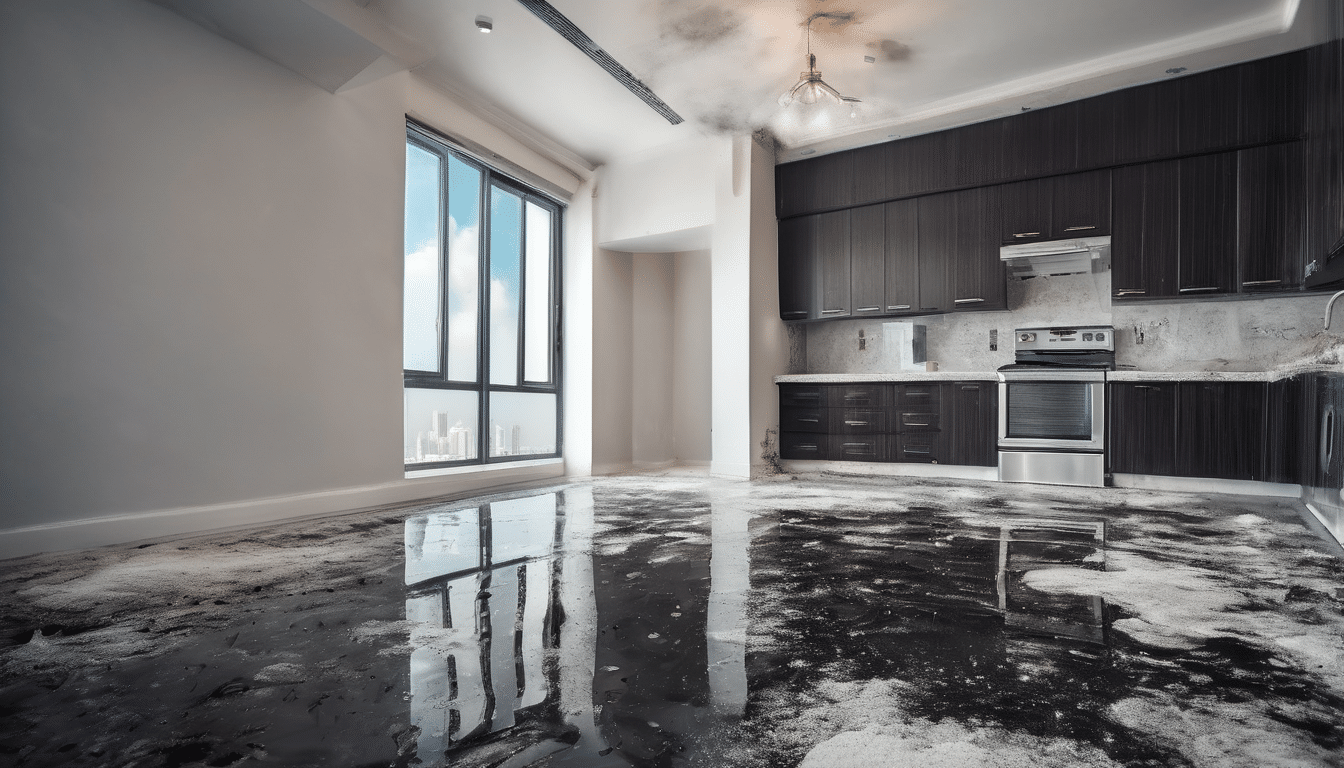
Black mold discovery in Dubai apartments raises immediate questions about responsibility, health risks, and legal obligations. Is landlord responsible for black mold in Dubai apartment situations? The answer depends on multiple factors including the source of moisture, building defects, tenant behaviour, and specific circumstances surrounding the contamination.
In Dubai’s climate-controlled environment, mold growth typically indicates underlying building performance issues, maintenance failures, or moisture management problems. Understanding the legal framework, health implications, and practical resolution steps protects both tenants and landlords whilst ensuring safe indoor environments. This relates directly to Is Landlord Responsible For Black Mold in Dubai apartment.
Is Landlord Responsible For Black Mold In Dubai Apartment – UAE Tenancy Law and Mold Responsibility
The UAE’s Federal Law No. 26 of 2007, known as the Tenancy Law, establishes fundamental principles governing landlord and tenant obligations regarding property maintenance and habitability. Under Article 16, landlords must maintain rental properties in good repair and ensure they remain suitable for their intended purpose throughout the tenancy period.
Dubai’s Real Estate Regulatory Agency (RERA) provides additional guidance through the Rental Dispute Centre, which handles conflicts between landlords and tenants. When determining is landlord responsible for black mold in Dubai apartment cases, the courts examine the root cause of moisture intrusion and whether the contamination results from building defects, maintenance failures, or tenant negligence.
The concept of “habitability” forms the cornerstone of mold-related disputes. Properties must provide safe living conditions, and persistent mold growth that poses health risks can render accommodation uninhabitable. Landlords cannot disclaim responsibility for structural defects or building system failures that create conditions conducive to mold development.
Implied Warranty of Habitability
UAE tenancy law includes an implied warranty that rental properties meet basic habitability standards. This warranty covers structural integrity, plumbing systems, electrical installations, and HVAC functionality. When building defects or system failures create excessive moisture leading to mold growth, landlords typically bear responsibility for remediation regardless of lease agreement language attempting to transfer such obligations to tenants. When considering Is Landlord Responsible For Black Mold In Dubai Apartment, this becomes clear.
The Dubai Municipality’s building codes and health regulations further reinforce these standards. Properties must maintain indoor environmental conditions that protect occupant health, making landlord responsibility for mold remediation a matter of regulatory compliance, not merely contractual obligation.
Is Landlord Responsible For Black Mold In Dubai Apartment – When Is Landlord Responsible for Black Mold Dubai Apartments
Determining is landlord responsible for black mold in Dubai apartment situations requires examining the moisture source and underlying causes. Landlords bear responsibility when mold growth results from structural defects, building system failures, or inadequate maintenance of property components under their control.
Building Envelope Failures
Dubai’s extreme climate places significant stress on building envelopes, and failures in waterproofing, insulation, or thermal bridging create moisture intrusion pathways. When external water penetrates through compromised building components, resulting mold growth becomes the landlord’s responsibility. Common envelope failures include deteriorated sealants around windows, compromised roof membranes, and inadequate vapour barriers causing condensation within wall assemblies.
Our investigations frequently reveal hidden moisture intrusion behind bathroom tiles, kitchen cabinets, and air conditioning units where building envelope failures remain invisible until mold growth becomes extensive. These structural defects fall clearly within landlord maintenance obligations.
HVAC System Deficiencies
Air conditioning systems in Dubai apartments require proper design, installation, and maintenance to prevent mold growth. Undersized equipment, inadequate drainage, blocked condensate lines, and poor ventilation create conditions where mold thrives within ductwork and indoor spaces. When is landlord responsible for black mold in Dubai apartment cases involving HVAC failures, responsibility typically lies with the property owner who controls system maintenance and replacement.
Improperly maintained air handling units often harbour mold growth that contaminates entire apartment spaces through airborne spore distribution. Landlords cannot delegate this responsibility to tenants, as HVAC systems require professional expertise and access to building infrastructure that tenants do not possess.
Plumbing Leaks and Water Damage
Concealed plumbing failures within walls, ceilings, and floor assemblies create moisture conditions leading to mold growth. When leaks originate from building infrastructure rather than tenant fixtures, landlords bear remediation responsibility. This includes supply line failures, waste line leaks, and condensation from uninsulated pipes within wall cavities.
The distinction between tenant-caused water damage and building system failures determines responsibility allocation. A burst pipe behind a bathroom wall represents landlord responsibility, whilst overflow from a blocked sink due to tenant negligence may shift liability.
Is Landlord Responsible For Black Mold In Dubai Apartment – Tenant Responsibilities in Mold Prevention
Tenants share responsibility for maintaining indoor conditions that prevent mold growth through reasonable care and proper use of building systems. However, tenant obligations cannot extend to structural repairs or building system maintenance beyond their control.
Moisture Management and Ventilation
Dubai Tenants must use exhaust fans during cooking and bathing, maintain reasonable indoor humidity levels, and report maintenance issues promptly. Failure to use provided ventilation systems or creating excessive moisture through inappropriate activities may shift mold responsibility to tenants. The importance of Is Landlord Responsible For Black Mold In Dubai Apartment is evident here.
Common tenant responsibilities include cleaning bathroom surfaces, using kitchen exhaust fans, maintaining reasonable thermostat settings, and avoiding activities that generate excessive indoor humidity. However, when building systems prove inadequate to handle normal residential moisture loads, responsibility returns to landlords for system upgrades or modifications.
Prompt Reporting Requirements
Tenants must notify landlords immediately upon discovering water leaks, mold growth, or conditions suggesting moisture problems. Delayed reporting can complicate responsibility determination, particularly when tenant neglect allows minor issues to develop into major contamination events.
documentation becomes crucial when establishing timeline and response patterns. Tenants who report problems promptly and follow reasonable temporary mitigation measures while awaiting landlord response demonstrate due diligence in protecting property interests.
Identifying Black Mold in Dubai Apartments
Accurate mold identification requires understanding that “black mold” encompasses various species, not exclusively Stachybotrys chartarum. In Dubai’s climate-controlled environments, multiple mold species can appear dark or black, including Aspergillus niger, Chaetomium species, and Cladosporium variants.
Visual Recognition and Location Patterns
Mold growth patterns provide clues about moisture sources and responsibility determination. Surface growth on walls near windows suggests condensation issues, whilst growth behind furniture indicates inadequate ventilation or thermal bridging. When investigating is landlord responsible for black mold in Dubai apartment cases, growth location helps identify underlying building defects versus tenant-related causes.
Professional identification requires laboratory analysis rather than visual assessment alone. Many dark-coloured substances mimic mold appearance, including dirt accumulation, soot deposits, and mineral staining from water intrusion. Accurate species identification informs remediation strategies and health risk assessment.
Hidden Mold Detection
Dubai’s sealed building environments often conceal mold growth within wall cavities, above ceiling tiles, and inside HVAC systems. Musty odours, visible staining, and occupant health symptoms may indicate hidden contamination requiring professional investigation.
Thermal imaging reveals moisture patterns and temperature anomalies suggesting mold growth behind surfaces. Borescope inspection allows direct visualisation within wall cavities and mechanical spaces without destructive testing. These diagnostic tools help establish contamination extent and identify responsibility based on moisture source location.
Health Risks and Legal Implications
Mold exposure health effects vary significantly among individuals, with sensitive populations including children, elderly persons, and those with compromised immune systems facing elevated risks. Understanding health implications helps establish urgency for remediation and may influence legal responsibility determination.
Documented Health Effects
Respiratory symptoms, allergic reactions, and irritation represent common mold exposure effects. Whilst severe health impacts from residential mold exposure remain subjects of scientific debate, the precautionary principle suggests minimising exposure through prompt remediation. Understanding Is Landlord Responsible For Black Mold In Dubai Apartment helps with this aspect.
When determining is landlord responsible for black mold in Dubai apartment situations, documented health effects strengthen tenant positions, particularly when medical evidence links symptoms to indoor mold exposure. Healthcare provider documentation creates objective evidence supporting habitability claims.
Legal Liability Considerations
Landlords who ignore mold problems or delay remediation face potential liability for health impacts and property damage. Dubai’s rental dispute resolution process considers health risks when evaluating habitability claims and may order immediate remediation or rent reductions pending problem resolution.
Tenant legal remedies include rent withholding, lease termination, and damage claims for personal property and health impacts. However, pursuing legal action requires substantial documentation and professional evidence supporting mold exposure claims.
Documentation and Evidence Collection
Building strong cases regarding mold responsibility requires systematic documentation from discovery through resolution. Both tenants and landlords benefit from maintaining detailed records that establish timelines, response patterns, and causation factors.
Photographic Documentation
Comprehensive photography should capture mold growth extent, location patterns, and surrounding conditions. Date-stamped images provide chronological evidence of contamination development and response efforts. Multiple angles and close-up detail shots help establish growth characteristics and identify potential moisture sources. Is Landlord Responsible For Black Mold In Dubai Apartment factors into this consideration.
Document environmental conditions including temperature, humidity readings, and ventilation system operation. These contextual factors help establish whether building systems functioned properly or contributed to mold development through inadequate performance.
Written Communication Records
Maintain copies of all correspondence between tenants and landlords regarding mold discovery, repair requests, and remediation efforts. Email communications provide timestamped evidence of notification and response patterns that influence responsibility determination.
Professional inspection reports, laboratory test results, and remediation proposals create objective evidence supporting responsibility claims. When questioning is landlord responsible for black mold in Dubai apartment scenarios, scientific documentation carries significant weight in dispute resolution proceedings.
Resolution Process for Dubai Tenants
Effective mold dispute resolution follows structured approaches that protect tenant rights whilst encouraging cooperative solutions. Understanding available remedies and escalation procedures helps achieve timely problem resolution.
Initial Notification and Negotiation
Formal written notice to landlords should describe mold conditions, request immediate investigation, and specify reasonable timeframes for response. Include photographic evidence and express health concerns to establish urgency and demonstrate good faith efforts to resolve issues cooperatively. This relates directly to Is Landlord Responsible For Black Mold In Dubai Apartment.
Landlord response patterns indicate willingness to address problems responsibly. Prompt acknowledgment and remediation scheduling suggest cooperative resolution potential, whilst delays or denials may require escalation to regulatory authorities or legal proceedings.
RERA Dispute Resolution
Dubai’s Real Estate Regulatory Agency provides mediation and arbitration services for rental disputes including mold-related habitability claims. RERA procedures offer faster and less expensive alternatives to court litigation whilst maintaining legal enforceability of decisions.
Filing RERA complaints requires documentation supporting tenant positions and evidence of unsuccessful direct negotiation attempts. The agency’s technical expertise in building systems and maintenance obligations helps ensure informed decision-making in complex mold responsibility cases.
Emergency Remediation Situations
Severe mold contamination threatening immediate health risks may justify emergency action before formal dispute resolution. Tenants facing uninhabitable conditions can seek temporary relocation assistance and expedited remediation orders through emergency RERA procedures.
Document emergency conditions through professional assessment reports and medical evidence when available. Emergency remediation orders typically require landlord-funded temporary accommodation and accelerated cleanup timelines to restore habitability. When considering Is Landlord Responsible For Black Mold In Dubai Apartment, this becomes clear.
Prevention Strategies for Landlords and Tenants
Preventing mold growth proves more effective and economical than remediation after contamination occurs. Successful prevention requires understanding Dubai’s unique environmental challenges and implementing appropriate building maintenance and occupant behaviour strategies.
Building System Maintenance
Regular HVAC maintenance prevents moisture accumulation within ductwork and ensures adequate ventilation capacity. Quarterly filter replacement, annual coil cleaning, and condensate drain inspection reduce mold development risk within air handling systems.
Building envelope maintenance includes periodic sealant inspection around windows and doors, roof membrane condition assessment, and thermal bridge evaluation. When considering is landlord responsible for black mold in Dubai apartment prevention, proactive maintenance demonstrates due diligence and reduces contamination risk.
Occupant Education and Behaviour
Tenant education regarding proper ventilation use, moisture management, and early problem reporting creates cooperative prevention partnerships. Providing clear guidelines for thermostat operation, exhaust fan usage, and housekeeping practices reduces mold risk through informed occupant behaviour.
Regular property inspections allow early detection of moisture intrusion and building system deficiencies before mold growth occurs. Cooperative inspection schedules with appropriate tenant notice demonstrate landlord commitment to maintaining safe indoor environments. The importance of Is Landlord Responsible For Black Mold In Dubai Apartment is evident here.
Professional Mold Assessment in Dubai
Determining responsibility and developing effective remediation strategies requires professional expertise in building science, microbiology, and indoor environmental health. Qualified professionals provide objective assessment and evidence-based recommendations that support dispute resolution.
Comprehensive Investigation Protocols
Professional mold assessment begins with moisture source identification through building envelope evaluation, HVAC system inspection, and plumbing system assessment. Understanding moisture pathways establishes causation and helps determine responsibility between building defects and occupant factors.
Laboratory analysis confirms mold species identification and quantifies contamination levels through air sampling and surface testing. Scientific data provides objective evidence supporting health risk assessment and remediation scope determination.
Remediation Planning and Oversight
Qualified professionals develop remediation protocols addressing contamination extent, occupant protection, and prevention of cross-contamination during cleanup activities. Proper planning ensures effective mold removal whilst protecting adjacent areas from spore distribution.
Post-remediation verification confirms successful cleanup through clearance testing and visual inspection. Independent verification protects both landlords and tenants by ensuring remediation quality and reducing recontamination risk. Understanding Is Landlord Responsible For Black Mold In Dubai Apartment helps with this aspect.
Financial Responsibilities and Costs
Mold remediation costs in Dubai apartments typically range from AED 2,000 for minor surface treatment to AED 15,000 or more for extensive contamination requiring structural repairs. Understanding cost implications helps establish realistic expectations and negotiate fair responsibility allocation.
Assessment and Testing Costs
Professional mold inspection services in Dubai cost approximately AED 800 to AED 1,500 depending on property size and investigation complexity. Laboratory analysis adds AED 200 to AED 500 per sample for species identification and quantification.
When determining is landlord responsible for black mold in Dubai apartment financial obligations, assessment costs often become shared expenses with results determining ultimate remediation responsibility. Objective testing protects both parties by establishing factual basis for responsibility decisions.
Remediation and Repair Expenses
Surface mold treatment costs AED 50 to AED 150 per square metre for accessible areas, whilst concealed contamination requiring demolition and reconstruction can exceed AED 500 per square metre including materials and labour.
HVAC system cleaning ranges from AED 1,000 to AED 5,000 depending on system complexity and contamination extent. When building system deficiencies cause mold growth, landlords typically bear these costs as part of their maintenance obligations. Is Landlord Responsible For Black Mold In Dubai Apartment factors into this consideration.
Temporary Accommodation and Damages
Severe contamination requiring tenant relocation during remediation creates additional costs for temporary housing, storage, and inconvenience. Dubai rental dispute resolution may award compensation for these expenses when landlord responsibility is established.
Personal property damage from mold contamination can reach significant values, particularly for clothing, furniture, and electronics exposed to spore contamination. Comprehensive documentation supports damage claims and helps establish fair compensation.
Preventing mold problems through proactive building maintenance and responsive problem resolution protects both landlord and tenant interests. Understanding legal obligations, health risks, and professional remediation standards ensures effective problem management that prioritises occupant safety whilst maintaining property values.
The question “is landlord responsible for black mold in Dubai apartment” depends on specific circumstances, moisture sources, and maintenance history. However, building system failures and structural defects typically establish landlord responsibility, whilst tenant negligence in moisture management or reporting may shift liability. Professional assessment provides objective evidence supporting fair responsibility determination and effective remediation planning that addresses root causes rather than surface symptoms alone.