
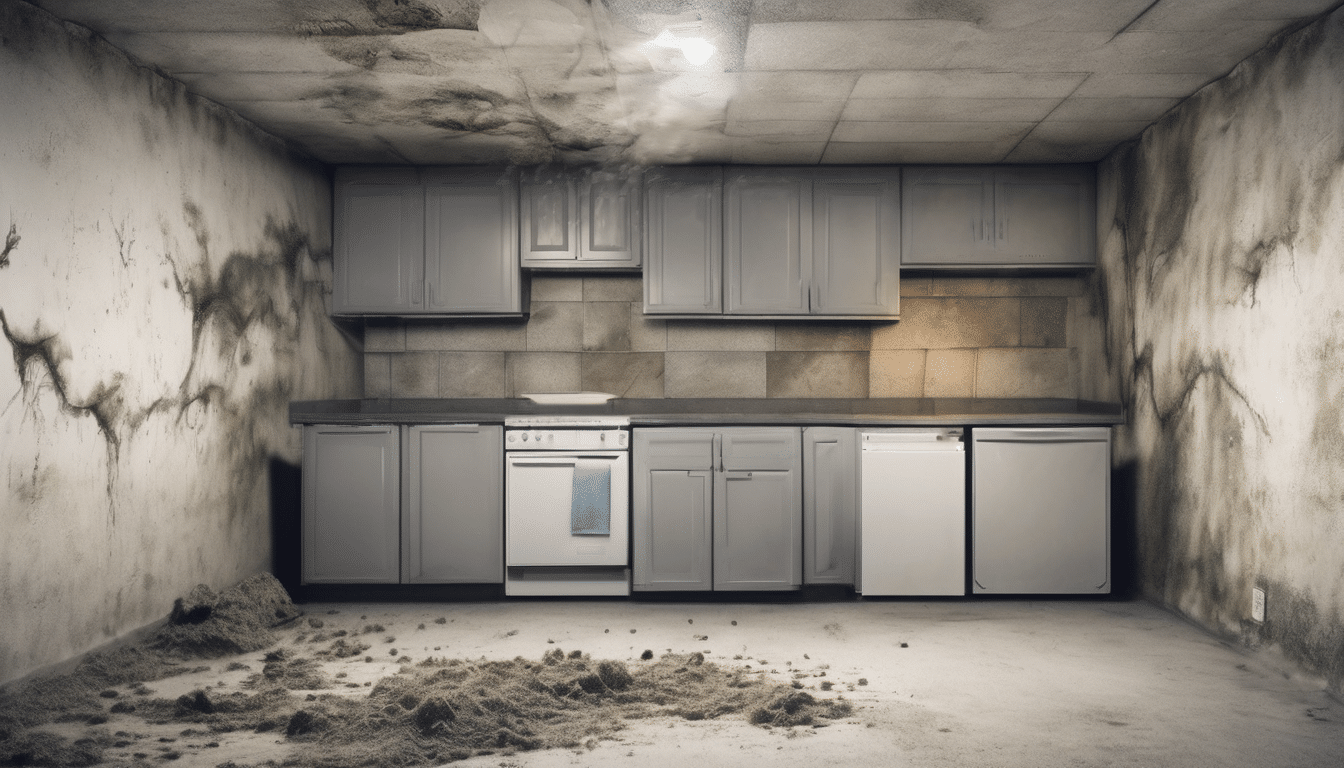
Understanding Call Mold Inspector For Basement Dubai is essential. Basement mold problems in Dubai properties create serious health risks and structural concerns that many homeowners underestimate. The unique climate conditions in the UAE, combined with common construction practices and intensive air conditioning systems, create perfect environments for hidden mold growth in below-ground spaces.
Recognising When to Call mold inspector for basement Dubai situations requires understanding the subtle warning signs that indicate professional assessment is necessary. Many basement mold problems remain hidden behind walls, under flooring, or within HVAC systems until they reach advanced stages, making early detection through professional inspection crucial for protecting your family’s health and your property investment.
Call Mold Inspector For Basement Dubai – Immediate Warning Signs Requiring Professional Mold Inspecto
Understanding when to call mold inspector for basement Dubai properties begins with recognising immediate warning signs that indicate potential contamination. These visual and sensory indicators often signal underlying moisture problems that have created conditions for mold growth.
Visual Evidence of Mold Growth
Visible mold growth on basement walls, ceiling tiles, or stored items represents the most obvious indicator requiring professional assessment. In our investigations, surface mold typically indicates much more extensive hidden contamination within wall cavities, under flooring, or behind building materials.
Black, green, or white patches on concrete walls, wooden framing, or stored belongings should prompt immediate professional inspection. The visible growth represents only a fraction of the total contamination present, as mold colonies extend deep into porous materials and building cavities.
Discolouration patterns on basement walls, particularly around foundation penetrations, windows, or areas where utilities enter the building, frequently indicate moisture intrusion and potential mold development. These staining patterns require investigation to determine the extent of contamination and identify moisture sources.
Persistent Musty Odours
Strong, persistent musty odours in basement areas indicate active mold growth, even when no visible contamination is apparent. Mold produces volatile organic compounds that create distinctive earthy, damp smells that intensify in enclosed spaces. This relates directly to Call Mold Inspector For Basement Dubai.
The presence of musty odours immediately upon entering the basement, particularly after periods of high humidity or recent rainfall, suggests significant mold activity requiring professional assessment. These odours often indicate hidden contamination behind walls, under flooring, or within HVAC ductwork.
Intermittent odours that appear during specific weather conditions or after air conditioning cycles may indicate moisture problems creating favourable conditions for mold growth. Professional investigation is essential to locate hidden contamination sources and prevent health exposure.
Health Symptoms That Signal When to Call Mold Inspector for Basement Dubai
Recognising health symptoms associated with basement mold exposure helps determine when to call mold inspector for basement Dubai properties. These symptoms often develop gradually and may be attributed to other causes, making professional assessment crucial for accurate identification.
Respiratory Symptoms in Family Members
Persistent coughing, sneezing, or throat irritation that worsens when spending time in basement areas indicates potential mold exposure requiring professional investigation. These symptoms often improve when family members leave the basement environment and return when exposure continues.
Increased asthma attacks or breathing difficulties among family members, particularly children and elderly residents, may indicate mold exposure from basement contamination. Professional assessment becomes essential when respiratory symptoms correlate with basement use or when HVAC systems distribute contaminated air throughout the home.
Sinus congestion, headaches, or fatigue that family members experience more frequently at home compared to other locations may suggest indoor air quality problems originating from basement mold growth. These symptoms require professional investigation to identify contamination sources and assess health risks. When considering Call Mold Inspector For Basement Dubai, this becomes clear.
Allergic Reactions and Skin Irritation
Unexplained skin rashes, eye irritation, or allergic reactions that occur primarily at home may indicate mold exposure from basement contamination. These symptoms often affect sensitive individuals first, serving as early warning signs of indoor air quality problems.
Increased frequency or severity of existing allergies among family members may suggest mold exposure amplifying allergic responses. Professional assessment becomes necessary when allergy symptoms worsen significantly during specific seasons or weather conditions that promote mold growth.
Water Damage Scenarios Requiring Immediate Inspection
Water damage events create urgent situations requiring immediate professional assessment to prevent extensive mold development. Understanding when to call mold inspector for basement Dubai properties after water exposure helps minimise health risks and property damage.
Flooding and Major Water Intrusion
Any flooding event affecting basement areas requires professional mold inspection within 24-48 hours, regardless of the water source or duration of exposure. Flood water introduces organic matter, nutrients, and moisture that accelerate mold growth in building materials.
Sewage backups or greywater intrusion into basement areas create particularly high-risk scenarios requiring immediate professional assessment. These water sources introduce additional contaminants and pathogens that complicate mold growth and increase health risks significantly.
Heavy rainfall causing basement water penetration through foundation cracks, window wells, or drainage failures requires professional evaluation to assess mold development risk. Even minor water intrusion can create extensive hidden mold growth within wall cavities and under flooring materials. The importance of Call Mold Inspector For Basement Dubai is evident here.
Plumbing Leaks and Mechanical Failures
Water heater failures, burst pipes, or appliance leaks affecting basement areas require professional mold inspection when water exposure exceeds 24 hours or affects porous building materials. These scenarios often create hidden moisture problems that promote extensive mold growth.
Air conditioning condensate leaks or HVAC drainage problems in basement mechanical rooms create ongoing moisture conditions ideal for mold development. Professional assessment becomes essential when these leaks persist or when musty odours develop in affected areas.
Foundation cracks allowing groundwater seepage during rainy seasons require professional evaluation to assess mold development potential. These chronic moisture problems often create extensive hidden contamination requiring specialised detection methods.
Structural Indicators Requiring Professional Assessment
Structural changes or building performance issues often indicate underlying moisture problems that create conditions for mold growth. Recognising these indicators helps determine when to call mold inspector for basement Dubai properties before visible contamination appears.
Moisture-Related Building Damage
Efflorescence or white crystalline deposits on basement concrete walls indicate ongoing moisture migration that creates favourable conditions for mold growth. These mineral deposits suggest persistent moisture problems requiring professional investigation to assess mold development risk.
Peeling paint, wallpaper bubbling, or deteriorating building finishes in basement areas indicate moisture problems that often coincide with mold growth. These visible signs frequently represent surface evidence of more extensive hidden moisture and contamination issues. Understanding Call Mold Inspector For Basement Dubai helps with this aspect.
Warped flooring, ceiling tile staining, or wood rot in basement areas signals moisture problems that create ideal conditions for mold development. Professional assessment becomes essential to determine the extent of contamination and identify moisture sources requiring correction.
HVAC System Performance Issues
Reduced air conditioning efficiency, unusual condensation around HVAC equipment, or persistent humidity problems may indicate moisture conditions promoting mold growth in basement mechanical spaces. These performance issues often coincide with mold development within ductwork or equipment.
Strange odours from air conditioning vents, particularly musty or earthy smells, suggest potential mold contamination within HVAC systems serving basement areas. Professional inspection becomes necessary to assess contamination within ductwork and mechanical equipment.
Seasonal Timing for When to Call Mold Inspector for Basement Dubai
Dubai’s climate patterns create specific seasonal conditions that influence mold development in basement areas. Understanding optimal timing for professional assessment helps prevent extensive contamination and minimise health exposure risks.
High Humidity Season Assessment
The summer months from June through September create peak humidity conditions that accelerate mold growth in basement environments. Scheduling professional inspection during early summer helps identify moisture problems before extensive contamination develops.
Post-summer assessment in October allows evaluation of any mold growth that developed during peak humidity periods. This timing enables identification of contamination before winter months when reduced ventilation may worsen indoor air quality problems. Call Mold Inspector For Basement Dubai factors into this consideration.
Pre-summer inspection in April or May helps identify moisture vulnerabilities before humidity levels peak. Professional assessment during this period allows implementation of preventive measures before conditions become optimal for mold development.
Rainfall Season Considerations
Following significant rainfall events during winter months, professional inspection helps identify water intrusion problems that may promote mold growth. These assessments should occur within one to two weeks after major precipitation to identify developing moisture problems.
Annual inspection scheduling before typical rainfall seasons allows identification and correction of building vulnerabilities that could lead to water intrusion and subsequent mold development. This proactive approach prevents moisture problems that create ideal conditions for contamination.
Choosing a Qualified Mold Inspector in Dubai
Selecting appropriate professional expertise ensures accurate assessment when determining mold contamination extent and health risks. Understanding inspector qualifications helps ensure reliable evaluation of basement mold problems in Dubai properties.
Professional Certifications and Training
Qualified mold inspectors should possess internationally recognised certifications such as IAC2 credentials or equivalent training in indoor environmental assessment. These certifications demonstrate expertise in mold science, building diagnostics, and health risk evaluation.
Experience with Dubai climate conditions and local construction practices provides essential context for accurate basement mold assessment. Inspectors familiar with UAE building codes, materials, and environmental conditions deliver more relevant and actionable findings. This relates directly to Call Mold Inspector For Basement Dubai.
Laboratory capabilities supporting field investigation ensure accurate species identification and contamination level assessment. Inspectors with access to accredited microbiology laboratories provide scientific validation of field observations and appropriate remediation recommendations.
Investigation Methodology and Equipment
Comprehensive assessment protocols combining visual inspection, moisture mapping, and air quality testing provide complete evaluation of basement mold problems. Qualified inspectors utilise thermal imaging, moisture metres, and borescope investigation to identify hidden contamination.
Documentation standards ensuring clear reporting with photographic evidence, laboratory results, and specific remediation recommendations enable informed decision-making. Professional reports should include root cause analysis identifying moisture sources requiring correction.
What to Expect During Professional Basement Mold Inspection
Understanding the professional assessment process helps property owners prepare appropriately and ensures comprehensive evaluation when calling mold inspector for basement Dubai situations. Proper preparation maximises inspection effectiveness and diagnostic accuracy.
Pre-Inspection Preparation Requirements
Clearing access to basement areas, mechanical equipment, and storage spaces enables thorough investigation of all potentially affected areas. Removing stored items from walls and corners allows complete visual assessment and moisture mapping.
Providing building history including previous water damage events, recent construction work, or ongoing moisture problems helps focus investigation efforts. This background information guides professional assessment and helps identify likely contamination sources. When considering Call Mold Inspector For Basement Dubai, this becomes clear.
Documenting observed symptoms, odours, or health concerns among occupants provides important context for risk assessment and remediation planning. This information helps correlate environmental findings with potential health impacts.
Investigation Procedures and Sampling
Visual assessment combining detailed examination of all basement surfaces, building materials, and mechanical systems identifies visible contamination and moisture problems. Thermal imaging reveals hidden moisture patterns indicating potential mold growth areas.
Air sampling using spore trap methodology provides quantitative assessment of airborne contamination levels and species identification. Surface sampling from suspected contamination areas confirms mold presence and guides remediation planning.
Moisture mapping throughout basement areas identifies current and historical moisture problems that create conditions for mold growth. This assessment includes evaluation of relative humidity, building material moisture content, and potential water intrusion sources.
Prevention and Ongoing Monitoring Strategies
Implementing preventive measures and monitoring protocols reduces future mold development risk and helps determine when periodic professional assessment becomes necessary. These strategies protect long-term indoor air quality and occupant health.
Environmental Control Measures
Maintaining basement relative humidity below 50% through proper dehumidification prevents conditions that support mold growth. Installing and maintaining appropriate dehumidification equipment creates unfavourable conditions for contamination development. The importance of Call Mold Inspector For Basement Dubai is evident here.
Ensuring adequate ventilation and air circulation prevents stagnant conditions that promote mold growth in basement areas. Mechanical ventilation systems should provide regular air exchange and prevent moisture accumulation in enclosed spaces.
Addressing building envelope defects including foundation cracks, window seal failures, or drainage problems prevents water intrusion that creates mold-supporting moisture conditions. Regular maintenance prevents minor problems from becoming major contamination sources.
Regular Monitoring and Assessment
Annual professional assessment during high-risk periods helps identify developing problems before extensive contamination occurs. This proactive approach prevents minor moisture issues from becoming major health and property concerns.
Installing continuous humidity monitoring equipment provides early warning of conditions that may promote mold growth. These systems alert property owners to environmental changes requiring attention or professional assessment.
Implementing routine visual inspection protocols helps identify early warning signs requiring professional evaluation. Regular assessment by property owners supplements professional inspection and enables early intervention when problems develop.
Basement mold problems in Dubai properties require prompt professional assessment when warning signs indicate potential contamination or health risks. Understanding when to call mold inspector for basement Dubai situations protects your family’s health and prevents extensive property damage that often results from delayed intervention.
The unique environmental conditions in Dubai, including high humidity, intensive air conditioning use, and common construction practices, create specific risks for basement mold development that require professional expertise to assess accurately. Qualified inspectors provide essential services including contamination identification, moisture source analysis, and appropriate remediation recommendations based on scientific assessment rather than assumptions.
Early professional intervention when warning signs appear prevents minor moisture problems from developing into extensive contamination requiring costly remediation. The investment in professional assessment typically represents a fraction of the cost associated with delayed intervention and advanced mold problems affecting building materials and indoor air quality throughout your property. Understanding Call Mold Inspector For Basement Dubai is key to success in this area.