
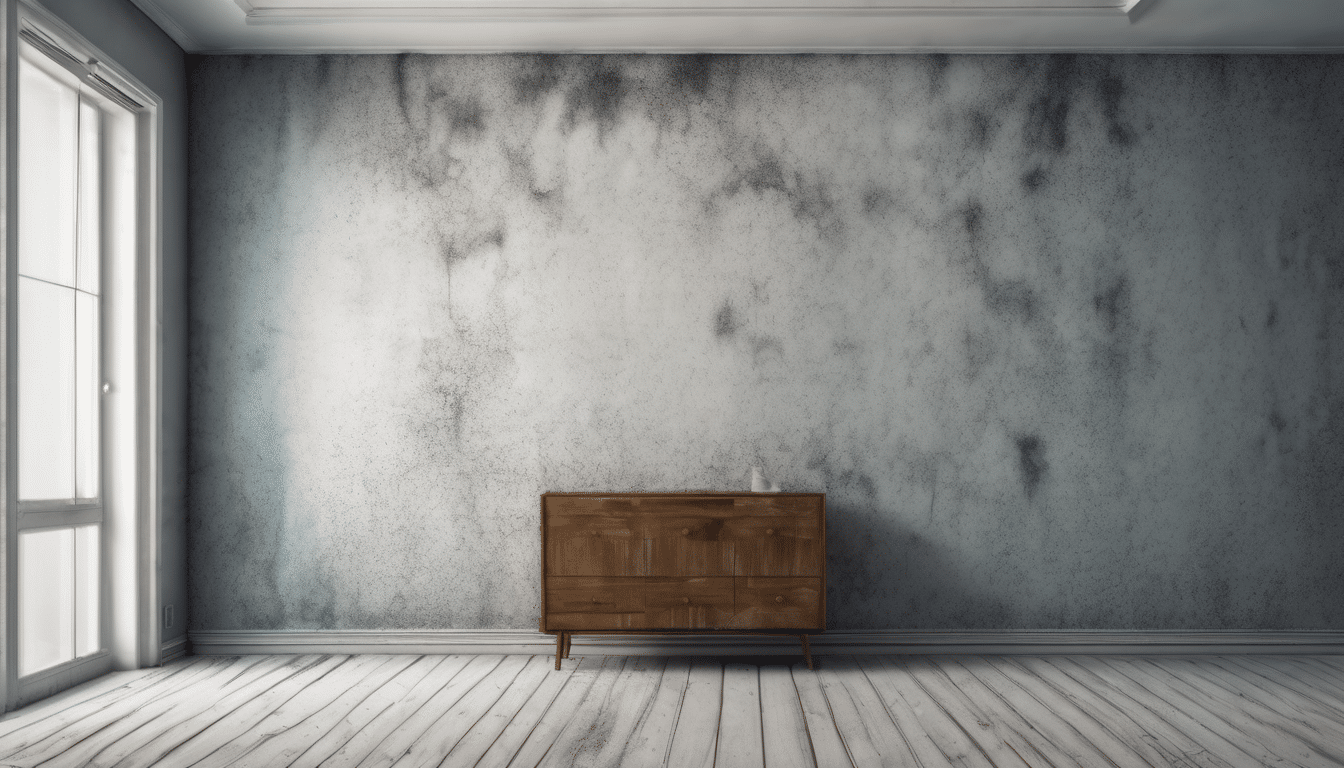
Air conditioning systems in Dubai work around the clock to combat the UAE’s intense heat and humidity. When these systems develop leaks, the resulting moisture creates ideal conditions for mold growth behind walls where it remains invisible until serious contamination has already occurred. Understanding how to detect Hidden mold behind walls after AC leaks Dubai detection protocols can protect your family’s health and prevent extensive property damage.
The combination of Dubai’s high ambient humidity, temperature fluctuations between air-conditioned interiors and outdoor heat, and modern sealed building construction creates unique challenges for moisture management. When AC systems leak, water can travel through wall cavities, insulation materials, and structural elements, establishing mold colonies that remain undetected for months or years. This relates directly to Hidden Mold Behind Walls After Ac Leaks Dubai Detection.
Hidden Mold Behind Walls After Ac Leaks Dubai Detection – Understanding Hidden Mold Risks After AC Leaks
Hidden mold behind walls after AC leaks Dubai detection becomes critical because UAE’s climate conditions accelerate fungal growth once moisture infiltrates building materials. Unlike surface mold that appears visibly on walls or ceilings, concealed contamination develops within wall cavities, insulation layers, and structural components where standard visual inspection cannot identify the problem.
AC condensate leaks typically occur at several vulnerable points throughout HVAC systems. Drain pan overflows, blocked condensate lines, damaged ductwork, and faulty connections create moisture intrusion pathways that feed directly into wall assemblies. In Dubai’s sealed, air-conditioned buildings, this moisture becomes trapped within construction materials where it cannot evaporate naturally.
The temperature differential between air-conditioned interiors and Dubai’s outdoor heat creates condensation patterns that compound AC leak problems. When warm, humid air infiltrates cooler building cavities, it reaches dew point temperatures and deposits additional moisture onto already compromised materials. This process continues cycling throughout the cooling season, creating persistent wetness that sustains mold growth for extended periods.
Common Contamination Patterns
Mold development behind walls follows predictable patterns based on building physics and moisture behaviour. Contamination typically begins at the initial leak source, then spreads through interconnected cavities following gravity and air pressure differentials. Wall assemblies with fibrous insulation materials provide extensive surface area for spore colonisation and hyphal growth networks. When considering Hidden Mold Behind Walls After Ac Leaks Dubai Detection, this becomes clear.
Gypsum-based drywall materials readily absorb moisture and provide cellulose nutrients that support diverse mold species. Once established, these colonies produce airborne spores that can migrate through wall penetrations, electrical outlets, and HVAC connections into occupied spaces. The concealed nature of this contamination means occupants may experience health symptoms before visible signs appear.
Hidden Mold Behind Walls After Ac Leaks Dubai Detection – Hidden Mold Detection Methods for Dubai Properties
Effective hidden mold behind walls after AC leaks Dubai detection requires multiple investigation techniques that work together to map moisture intrusion patterns and identify biological contamination. Professional investigators employ thermal imaging, moisture measurement, air sampling, and invasive inspection methods to build comprehensive pictures of concealed problems.
Visual inspection alone cannot identify hidden mold contamination because affected areas remain concealed within building assemblies. Surface indicators like water stains, paint discolouration, or musty odours suggest underlying problems, but extensive contamination can exist without any visible evidence. Systematic investigation protocols are essential to locate concealed moisture sources and assess contamination extent.
Modern detection methods combine non-invasive scanning technologies with targeted invasive inspection to minimise property damage while ensuring thorough evaluation. This approach allows investigators to identify specific areas requiring detailed examination rather than conducting random destructive testing throughout suspected regions.
Moisture Detection Technology
Electronic moisture metres provide quantitative measurements of water content within building materials. Pin-type metres penetrate surface materials to measure electrical resistance changes caused by moisture presence, while pinless metres use electromagnetic fields to scan larger areas without material damage. These measurements establish moisture distribution patterns that guide further investigation. The importance of Hidden Mold Behind Walls After Ac Leaks Dubai Detection is evident here.
Infrared thermography reveals temperature anomalies that indicate moisture presence, air leakage, or insulation defects. Thermal cameras detect subtle temperature differences caused by evaporative cooling from wet materials or thermal bridging through compromised insulation. This technology maps problem areas quickly across large wall surfaces before invasive inspection begins.
Hidden Mold Behind Walls After Ac Leaks Dubai Detection – Thermal Imaging Investigation Techniques
Thermal imaging represents the most valuable non-invasive tool for hidden mold behind walls after AC leaks Dubai detection because it reveals moisture-related temperature anomalies that indicate concealed problems. Professional-grade thermal cameras detect temperature differences as small as 0.1°C, allowing investigators to identify wet building materials behind intact wall surfaces.
Successful thermal imaging requires proper environmental conditions and investigator expertise to interpret complex thermal patterns. Indoor and outdoor temperature differentials must be sufficient to create detectable thermal signatures from moisture-affected materials. Early morning hours often provide optimal scanning conditions when thermal gradients are most pronounced.
Thermal signatures from moisture-affected materials appear as cooler regions on thermographic images because evaporative cooling reduces surface temperatures. These patterns help investigators map moisture distribution within wall assemblies and identify areas requiring invasive inspection. However, thermal imaging cannot distinguish between current moisture and materials that have dried after previous wetting events.
Interpretation Challenges
Thermal imaging interpretation requires understanding building construction methods, HVAC system operation, and environmental factors that influence temperature patterns. Electrical wiring, plumbing lines, structural elements, and insulation defects can create thermal anomalies unrelated to moisture problems. Professional investigators must correlate thermal findings with moisture measurements and visual evidence to confirm contamination risks. Understanding Hidden Mold Behind Walls After Ac Leaks Dubai Detection helps with this aspect.
AC system operation significantly affects thermal imaging results because active cooling creates temperature variations throughout building assemblies. Investigators typically conduct thermal scanning with HVAC systems operating under normal conditions, then repeat measurements after system shutdown to identify changing thermal patterns that indicate moisture presence.
Moisture Mapping and Documentation Protocols
Comprehensive moisture mapping provides the foundation for effective hidden mold behind walls after AC leaks Dubai detection by documenting water intrusion patterns and contamination risks throughout affected areas. Professional investigations create detailed moisture maps that guide remediation planning and verify correction effectiveness after repair work completion.
Systematic grid measurement protocols ensure consistent data collection across suspected areas. Investigators establish measurement points at regular intervals along suspected moisture pathways, documenting readings with corresponding photographs and dimensional references. This systematic approach prevents overlooked areas and provides objective evidence of moisture distribution patterns.
Moisture mapping combines multiple measurement methods to verify findings and eliminate false readings caused by material variations or measurement interference. Electronic metre readings require verification through complementary measurement techniques, particularly in buildings with metal structural elements or complex wall assemblies that can affect electronic measurements.
Documentation Standards
Professional moisture mapping documentation includes measured values, measurement locations, environmental conditions, and photographic evidence for each data point. Digital documentation systems allow real-time data recording with GPS coordinates and automatic timestamp information that ensures measurement accuracy and traceability. Hidden Mold Behind Walls After Ac Leaks Dubai Detection factors into this consideration.
Moisture maps require correlation with building plans, HVAC system layouts, and plumbing locations to identify potential moisture sources and contamination pathways. This integration helps investigators distinguish between current AC leaks and other moisture sources like plumbing problems or building envelope failures that may contribute to mold growth.
Laboratory Testing for Verification
Laboratory testing provides definitive confirmation of mold presence and species identification for hidden mold behind walls after AC leaks Dubai detection investigations. While moisture mapping and thermal imaging identify conditions conducive to mold growth, laboratory analysis determines whether biological contamination actually exists within suspected areas.
Air sampling techniques capture airborne spores that may indicate concealed mold sources even when visual confirmation is impossible. Spore trap sampling collects particles from indoor air for microscopic analysis and species identification. Elevated spore concentrations, particularly of species associated with water-damaged materials, suggest hidden contamination sources requiring invasive investigation.
Surface sampling from accessible areas can indicate whether mold contamination exists within wall cavities. Tape lift samples from outlets, switches, or other wall penetrations may capture spores that have migrated from concealed sources. However, surface sampling results must be interpreted carefully because spore presence does not necessarily confirm active mold growth.
Sample Collection Protocols
Professional sample collection follows specific protocols to ensure representative results and prevent cross-contamination between sampling locations. Investigators use sterile sampling materials and maintain proper chain-of-custody documentation for laboratory analysis. Sample timing relative to HVAC system operation affects results because air movement patterns influence spore distribution. This relates directly to Hidden Mold Behind Walls After Ac Leaks Dubai Detection.
Laboratory analysis capabilities vary significantly between facilities, affecting result quality and interpretation value. Accredited laboratories using standardised analytical methods provide more reliable species identification and quantitative data than basic screening tests. Professional investigations specify appropriate analytical methods based on investigation objectives and client health concerns.
Professional Investigation Process
Systematic hidden mold behind walls after AC leaks Dubai detection investigations follow structured protocols that maximise information gathering while minimising property damage and investigation costs. Professional investigators begin with comprehensive visual inspection and environmental history documentation before progressing to instrumental measurements and invasive inspection techniques.
Initial assessment identifies AC system components, potential leak sources, and building areas most likely to experience moisture problems. Investigators examine condensate drainage systems, ductwork connections, air handler installations, and previous repair history to understand moisture intrusion patterns. This background information guides subsequent technical investigation phases.
Environmental monitoring documents current conditions and establishes baseline measurements for comparison with laboratory standards and outdoor reference samples. Temperature, humidity, and air pressure measurements help investigators understand building performance and identify conditions that promote mold growth within concealed spaces.
Invasive Inspection Techniques
Borescope inspection allows visual examination of concealed wall cavities through minimal access holes. Flexible fibre-optic cameras navigate through wall assemblies to document moisture damage, insulation conditions, and visible mold growth. This technique provides direct visual confirmation of problems identified through non-invasive screening methods. When considering Hidden Mold Behind Walls After Ac Leaks Dubai Detection, this becomes clear.
Strategic invasive inspection minimises property damage while ensuring thorough evaluation of suspected contamination. Investigators select inspection locations based on thermal imaging findings, moisture measurements, and building construction knowledge to maximise information value from each access point. Professional investigations coordinate with property owners to minimise disruption and plan appropriate repairs.
Prevention Strategies for UAE Climate
Effective prevention strategies address the unique challenges of hidden mold behind walls after AC leaks Dubai detection by focusing on moisture control, proper HVAC maintenance, and building envelope management. UAE’s climate conditions require proactive approaches that account for extreme temperature differentials and persistent humidity exposure.
Regular HVAC maintenance represents the most critical prevention strategy because properly functioning systems prevent most moisture problems that lead to concealed mold growth. Professional maintenance includes condensate drainage system inspection, air handler component evaluation, and ductwork integrity verification. These services identify potential leak sources before significant moisture intrusion occurs.
Building envelope management prevents external moisture infiltration that compounds AC leak problems. Proper window sealing, wall penetration management, and roof maintenance eliminate moisture sources that can overwhelm building moisture control systems. These measures are particularly important in Dubai’s intense weather conditions where building envelope failures can introduce substantial moisture loads.
Monitoring and Early Detection
Environmental monitoring systems provide early warning of moisture problems before extensive mold contamination develops. Wireless sensor networks track temperature and humidity conditions within wall cavities and mechanical spaces where problems typically begin. These systems alert property owners to changing conditions that require investigation. The importance of Hidden Mold Behind Walls After Ac Leaks Dubai Detection is evident here.
Regular inspection schedules allow property owners to identify AC system problems before significant moisture intrusion occurs. Monthly visual inspection of condensate drainage, quarterly professional maintenance, and annual comprehensive system evaluation prevent most moisture problems that lead to concealed contamination. Investment in prevention typically costs significantly less than remediation after extensive contamination develops.
When to Call Professional Investigators
Recognising appropriate timing for professional hidden mold behind walls after AC leaks Dubai detection services ensures effective problem resolution while preventing unnecessary investigation costs. Property owners should engage professional investigators when specific warning signs suggest concealed contamination or when DIY assessment methods cannot adequately evaluate suspected problems.
Persistent musty odours without visible mold sources often indicate concealed contamination that requires professional investigation. These odours typically intensify when HVAC systems operate because air movement mobilises spores from hidden sources. Professional air sampling and thermal imaging can locate concealed sources that produce characteristic odours.
Health symptoms that correlate with indoor exposure patterns suggest environmental contamination requiring professional evaluation. Respiratory symptoms, headaches, or allergic reactions that improve away from specific building areas indicate potential mold exposure. Professional investigations can identify concealed sources and assess exposure risks through laboratory analysis.
Investigation Timing Considerations
Recent water intrusion events require prompt professional assessment to prevent extensive contamination development. Hidden mold behind walls after AC leaks Dubai detection investigations should begin within 48-72 hours of significant moisture events when possible. Early intervention allows effective moisture removal before mold establishment occurs.
Seasonal timing affects investigation effectiveness because environmental conditions influence thermal imaging accuracy and spore sampling results. Dubai’s cooler months provide optimal conditions for thermal imaging, while summer conditions may require modified investigation approaches. Professional investigators adjust protocols based on seasonal factors to ensure accurate results.
Professional investigation becomes essential when property owners plan renovation work in areas with suspected contamination. Disturbing contaminated materials without proper assessment and containment can spread spores throughout buildings and create significant health risks. Pre-renovation investigations identify contamination extent and guide appropriate remediation protocols.
The complexity of modern building systems and mold science makes professional expertise essential for accurate hidden mold behind walls after AC leaks Dubai detection. Qualified investigators combine specialised equipment, technical knowledge, and laboratory resources that exceed typical property owner capabilities. This professional approach ensures accurate problem identification and appropriate correction strategies.
Understanding when concealed mold problems exceed DIY assessment capabilities protects property owners from inadequate evaluation that can lead to ongoing health risks and property damage. Professional investigation provides definitive answers about contamination extent and appropriate correction measures, ultimately saving time and money compared to trial-and-error approaches.
Effective hidden mold behind walls after AC leaks Dubai detection requires systematic investigation combining multiple technologies and professional expertise. The UAE’s unique climate conditions and modern building construction create specific challenges that demand specialised knowledge and equipment for accurate assessment. Property owners who recognise warning signs and engage qualified professionals promptly can prevent extensive contamination and protect their families’ health through science-based investigation and correction strategies.