
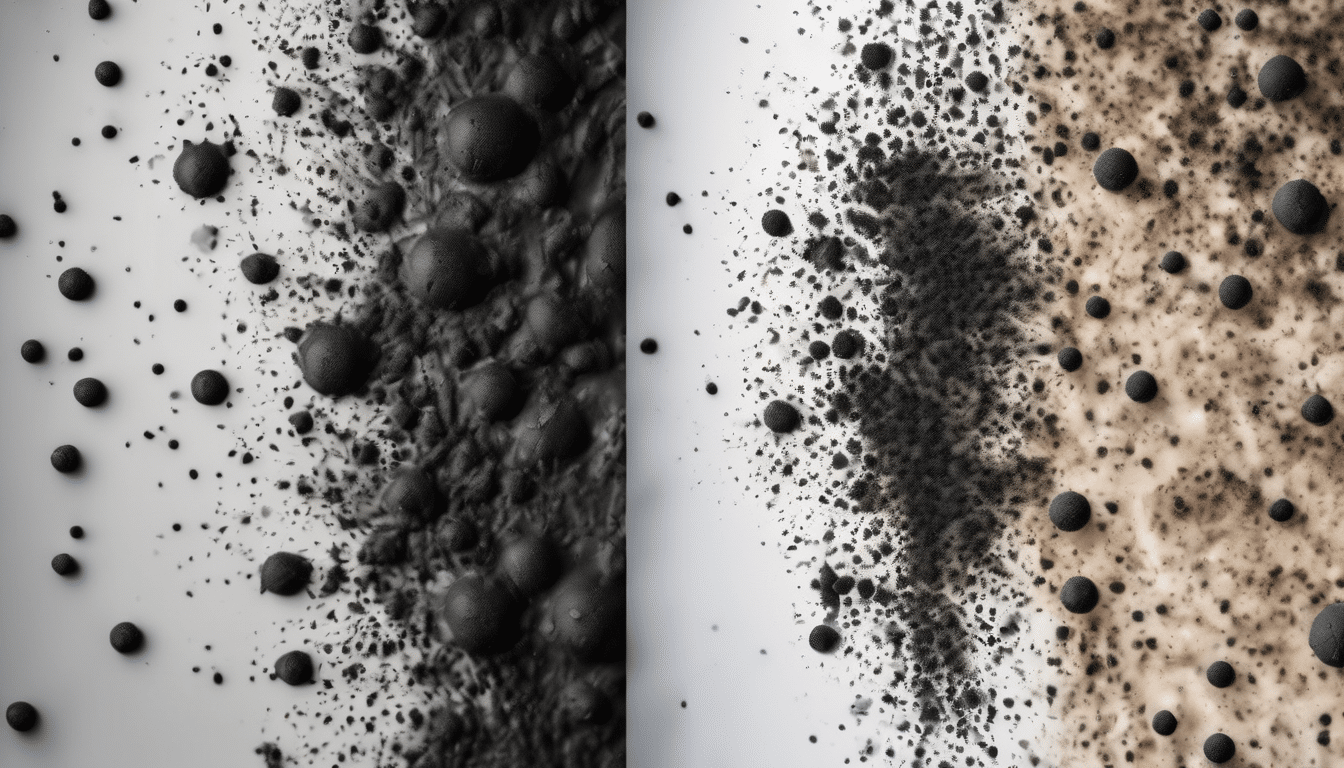
Understanding Black Mold Vs Regular mold: Health Risks And Removal is essential. Indoor mould contamination presents significant challenges for property owners across Dubai and the UAE, where high humidity and air conditioning systems create ideal conditions for fungal growth. When discovering mould in their homes, many residents immediately assume they’re dealing with the notorious “black mould,” but the reality of Black Mold vs Regular Mould: Health Risks and Removal is far more nuanced than most homeowners realise.
Professional mould investigations in Dubai consistently reveal that property owners often struggle to distinguish between different types of mould growth, leading to inappropriate remediation approaches and unnecessary anxiety. Understanding these distinctions is essential for making informed decisions about health protection and removal strategies in the challenging UAE climate. This relates directly to Black Mold Vs Regular Mold: Health Risks And Removal.
The complexity of Black Mold vs Regular Mould: Health Risks and Removal extends beyond simple colour identification, encompassing species-specific health impacts, growth patterns, and remediation requirements that vary significantly between different fungal types.
Black Mold Vs Regular Mold: Health Risks And Removal – Understanding Black Mould: Identification and Characteristic
The term “black mould” commonly refers to Stachybotrys chartarum, though several other species can appear dark or black in colour. In Dubai’s indoor environments, true Stachybotrys chartarum requires specific conditions that differ from other common moulds found in UAE properties. When considering Black Mold Vs Regular Mold: Health Risks And Removal, this becomes clear.
Stachybotrys chartarum thrives in consistently wet materials with high cellulose content, particularly drywall paper backing, ceiling tiles, and wood products. Unlike other moulds that can survive on dust or minimal moisture, this species requires prolonged water exposure—typically 72 hours or more of continuous moisture.
The appearance of genuine black mould presents as dark, slimy patches when wet, or powdery black spots when dried. However, visual identification alone cannot confirm species identity, as several other moulds can appear similarly dark, including Aspergillus niger, Chaetomium species, and certain Penicillium variants commonly found in Dubai properties.
Growth patterns provide additional identification clues. Stachybotrys chartarum typically appears in localised patches rather than widespread coverage, often developing behind walls where moisture accumulates from condensation or plumbing leaks common in UAE high-rise construction. The importance of Black Mold Vs Regular Mold: Health Risks And Removal is evident here.
Laboratory Confirmation Requirements
Professional identification through laboratory analysis remains the only reliable method for confirming black mould presence. Surface sampling and air sampling techniques used in Dubai investigations can distinguish between Stachybotrys chartarum and other dark-coloured species that pose different health risks.
Microscopic examination reveals distinctive spore characteristics unique to Stachybotrys chartarum, including size, shape, and surface texture that differentiate it from other species. This identification process typically costs between AED 800-1,500 for comprehensive sampling and analysis in Dubai.
Black Mold Vs Regular Mold: Health Risks And Removal – Regular Mould Types: Common Species in UAE Properties
Dubai’s indoor environments commonly harbour several mould species that don’t fall into the “black mould” category but still present significant concerns for property owners. These regular moulds often prove more prevalent than Stachybotrys chartarum in UAE buildings. Understanding Black Mold Vs Regular Mold: Health Risks And Removal helps with this aspect.
Aspergillus species represent the most common indoor moulds in Dubai properties, appearing in colours ranging from green to yellow, brown, or white. These moulds readily grow on dust, fabric, and building materials with minimal moisture requirements, making them particularly problematic in air-conditioned environments where condensation occurs regularly.
Penicillium species frequently develop in Dubai homes, typically appearing blue-green or grey-green in colour. These moulds thrive in cooler, humid conditions often found near air conditioning units, bathroom areas, and poorly ventilated spaces common in UAE construction.
Cladosporium species commonly affect Dubai properties, presenting as dark green to black patches that many homeowners mistake for Stachybotrys chartarum. However, Cladosporium grows more readily on diverse surfaces and requires less moisture than true black mould. Black Mold Vs Regular Mold: Health Risks And Removal factors into this consideration.
Growth Patterns in UAE Climate
Regular moulds in Dubai typically develop more quickly than Stachybotrys chartarum, often appearing within 24-48 hours of moisture exposure. This rapid growth makes early detection crucial for preventing widespread contamination in UAE properties.
The combination of high outdoor humidity and aggressive air conditioning creates thermal bridging conditions that promote regular mould growth along external walls, around windows, and near HVAC components. These locations rarely support Stachybotrys chartarum growth but commonly harbour other problematic species.
Black Mold Vs Regular Mold: Health Risks And Removal – Health Risks Comparison Analysis
The health implications of Black Mold vs Regular Mould: Health Risks and Removal vary significantly between species, with important distinctions that affect remediation urgency and occupant safety protocols in Dubai properties. This relates directly to Black Mold Vs Regular Mold: Health Risks And Removal.
Stachybotrys chartarum produces mycotoxins—toxic compounds that can cause severe health effects in sensitive individuals. These toxins include satratoxins, which can trigger respiratory problems, neurological symptoms, and immune system suppression. However, mycotoxin exposure requires significant contamination levels and prolonged contact periods.
Regular moulds typically present different health challenges, primarily through allergenic responses rather than toxic effects. Aspergillus species can trigger asthma, allergic reactions, and respiratory irritation, particularly in individuals with compromised immune systems or existing respiratory conditions common in Dubai’s dusty environment.
The concentration and exposure duration significantly influence health impacts for both mould types. Small amounts of regular mould may cause minimal health effects in healthy individuals, whilst extensive regular mould contamination can prove more immediately problematic than limited black mould growth. When considering Black Mold Vs Regular Mold: Health Risks And Removal, this becomes clear.
Vulnerable Population Considerations
Children, elderly individuals, and people with respiratory conditions face heightened risks from both black mould and regular mould exposure. In Dubai’s expatriate community, individuals from different climate backgrounds may experience increased sensitivity to local mould species.
Pregnant women require particular caution around any mould contamination, as both mycotoxin exposure from black mould and allergenic responses to regular moulds can affect pregnancy outcomes. Professional assessment becomes essential when vulnerable populations occupy affected properties.
Black Mold vs Regular Mould: Visual Identification Methods
Distinguishing between black mould and regular mould through visual inspection requires understanding specific characteristics that differentiate these fungal types in Dubai’s indoor environments. However, visual assessment alone cannot provide definitive identification for Black Mold vs Regular Mould: Health Risks and Removal decisions. The importance of Black Mold Vs Regular Mold: Health Risks And Removal is evident here.
Colour variations provide initial clues but can mislead property owners. True Stachybotrys chartarum appears dark black or greenish-black when active, often with a slimy texture in high-moisture conditions. When dried, it may appear powdery or flaky with a charcoal-like appearance.
Regular moulds display broader colour ranges, with Aspergillus appearing yellow, green, white, or brown, Penicillium showing blue-green to grey tones, and Cladosporium presenting dark green to black colours that closely resemble Stachybotrys chartarum to untrained observers.
Texture differences can aid identification efforts. Black mould typically appears more cohesive and slimy when wet, whilst many regular moulds present fuzzy or powdery textures even in moist conditions. However, environmental factors in Dubai properties can alter these characteristics significantly. Understanding Black Mold Vs Regular Mold: Health Risks And Removal helps with this aspect.
Growth Location Patterns
Stachybotrys chartarum typically develops in hidden areas with chronic moisture problems—behind walls, under flooring, or within HVAC systems where water damage has occurred. Regular moulds more commonly appear in visible locations like bathroom surfaces, window frames, or air conditioning vents.
The substrate preferences also differ between mould types. Black mould requires cellulose-rich materials like paper-backed drywall or wood products, whilst regular moulds can thrive on diverse surfaces including dust, fabric, concrete, and metal components common in Dubai construction.
Removal Strategy Differences
The approach to Black Mold vs Regular Mould: Health Risks and Removal requires species-specific strategies that account for different growth characteristics, health risks, and remediation complexities common in Dubai properties. Black Mold Vs Regular Mold: Health Risks And Removal factors into this consideration.
Black mould remediation demands more aggressive containment protocols due to mycotoxin concerns. Professional removal typically requires full containment barriers, negative air pressure systems, and specialised personal protective equipment to prevent toxin dispersal throughout the property.
Regular mould removal often permits less intensive approaches, particularly for limited contamination areas. However, extensive regular mould growth may require similar containment protocols to prevent spore dispersal, especially in Dubai’s sealed, air-conditioned environments where cross-contamination occurs readily.
Material removal decisions differ significantly between mould types. Stachybotrys chartarum contamination typically requires complete removal of affected porous materials, as mycotoxins can penetrate deeply into substrates. Regular moulds may permit successful cleaning of semi-porous materials using appropriate antimicrobial treatments. This relates directly to Black Mold Vs Regular Mold: Health Risks And Removal.
Professional vs DIY Approaches
Black mould remediation consistently requires professional intervention due to health risks and technical complexity. DIY attempts often spread contamination and fail to address underlying moisture sources that enabled initial growth in Dubai’s challenging climate conditions.
Limited regular mould contamination—areas smaller than 1 square metre—may permit careful DIY removal using proper safety equipment and containment procedures. However, most Dubai properties with mould problems require professional assessment to identify hidden contamination and moisture sources.
Professional remediation costs in Dubai typically range from AED 3,000-15,000 for black mould removal, depending on contamination extent and structural complexity. Regular mould removal costs range from AED 1,500-8,000 for comparable areas, reflecting different material removal and safety requirements. When considering Black Mold Vs Regular Mold: Health Risks And Removal, this becomes clear.
Professional Assessment Requirements
Determining appropriate responses to Black Mold vs Regular Mould: Health Risks and Removal requires professional evaluation that goes beyond visual identification, particularly in Dubai’s complex building environments where hidden contamination commonly occurs.
Comprehensive mould assessment includes moisture mapping using thermal imaging technology to identify hidden water sources that sustain mould growth. These investigations frequently reveal condensation problems, plumbing leaks, or HVAC moisture issues not visible during standard property inspections.
Air sampling protocols help quantify contamination levels and identify airborne spore concentrations that indicate hidden mould growth. In Dubai properties, elevated spore levels often originate from concealed contamination within wall cavities, HVAC systems, or beneath flooring materials. The importance of Black Mold Vs Regular Mold: Health Risks And Removal is evident here.
Surface sampling provides species identification crucial for health risk assessment and remediation planning. Laboratory analysis distinguishes between Stachybotrys chartarum and other dark moulds, informing appropriate safety protocols and removal strategies.
Post-Remediation Verification
Professional clearance testing ensures successful mould removal regardless of species involved. This verification process includes visual inspection, air sampling, and moisture level confirmation to prevent recurrence in Dubai’s humidity-prone environment.
Clearance criteria differ between black mould and regular mould remediation projects. Stachybotrys chartarum removal requires more stringent air quality standards and additional mycotoxin testing to confirm occupant safety before property reoccupation. Understanding Black Mold Vs Regular Mold: Health Risks And Removal helps with this aspect.
Prevention Strategies for Both Types
Preventing both black mould and regular mould growth requires addressing fundamental moisture control issues that affect Dubai properties year-round. The strategies for Black Mold vs Regular Mould: Health Risks and Removal prevention overlap significantly, focusing on environmental control rather than species-specific approaches.
Humidity management represents the primary prevention strategy for all mould types in Dubai’s climate. Maintaining indoor relative humidity below 60% prevents most mould growth, requiring properly sized and maintained air conditioning systems that address both cooling and dehumidification needs.
Ventilation improvement helps control moisture accumulation in bathrooms, kitchens, and laundry areas where regular mould commonly develops. Exhaust fans, properly designed HVAC systems, and natural ventilation strategies reduce moisture levels that support both black mould and regular mould growth. Black Mold Vs Regular Mold: Health Risks And Removal factors into this consideration.
Water intrusion prevention protects against the chronic moisture conditions that enable Stachybotrys chartarum development. Regular inspection of plumbing systems, roof integrity, and building envelope performance prevents the sustained water exposure required for black mould establishment.
Maintenance Protocols
Regular HVAC maintenance prevents moisture accumulation within air handling systems where both mould types can develop undetected. Cleaning drain pans, replacing filters, and inspecting ductwork helps maintain dry conditions that inhibit fungal growth.
Building envelope maintenance addresses thermal bridging issues common in Dubai construction that create condensation problems. Proper insulation, vapour barriers, and window sealing prevent the moisture conditions that support both black mould and regular mould development. This relates directly to Black Mold Vs Regular Mold: Health Risks And Removal.
Cost Implications of Different Removal Methods
The financial considerations for Black Mold vs Regular Mould: Health Risks and Removal vary significantly based on contamination type, extent, and required safety protocols in Dubai properties. Understanding these cost differences helps property owners make informed remediation decisions.
Black mould remediation typically costs 50-100% more than regular mould removal due to enhanced safety requirements, specialised equipment needs, and more extensive material removal protocols. A typical Dubai villa black mould project ranges from AED 8,000-25,000, depending on affected areas and structural complexity.
Regular mould remediation costs in Dubai properties typically range from AED 2,500-12,000 for similar contamination areas, reflecting less intensive containment requirements and reduced material removal needs. However, extensive regular mould growth can approach black mould remediation costs when comprehensive containment becomes necessary. When considering Black Mold Vs Regular Mold: Health Risks And Removal, this becomes clear.
Laboratory testing adds AED 800-2,000 to remediation costs but provides essential information for appropriate response planning. Species identification helps avoid over-remediation of regular moulds whilst ensuring adequate safety protocols for confirmed black mould contamination.
Insurance Coverage Considerations
Insurance coverage for mould remediation in Dubai varies significantly between policies and contamination types. Many insurance providers distinguish between black mould and regular mould claims, with different coverage limits and approval requirements for each category.
Preventive measures often prove more cost-effective than remediation for both mould types. Investing AED 3,000-8,000 in humidity control improvements and moisture prevention typically costs less than addressing established contamination requiring professional removal. The importance of Black Mold Vs Regular Mold: Health Risks And Removal is evident here.
When Evacuation Becomes Necessary
Determining evacuation requirements for Black Mold vs Regular Mould: Health Risks and Removal depends on contamination extent, occupant vulnerability, and species-specific health risks that require professional evaluation in Dubai properties.
Black mould contamination affecting more than 10 square metres typically requires temporary occupant relocation during remediation due to mycotoxin exposure risks and intensive removal procedures. This evacuation period usually extends 3-7 days, depending on contamination complexity and drying requirements.
Regular mould contamination may permit continued occupancy during remediation when proper containment prevents cross-contamination. However, extensive regular mould growth or vulnerable occupant populations may necessitate temporary relocation similar to black mould protocols. Understanding Black Mold Vs Regular Mold: Health Risks And Removal helps with this aspect.
Air quality monitoring during remediation helps determine safe occupancy levels for both mould types. Professional oversight ensures that containment procedures adequately protect occupants and that clearance standards are met before reoccupation.
Temporary Accommodation Considerations
Evacuation costs in Dubai can add AED 500-1,500 per day for hotel accommodation, making rapid, effective remediation economically important. Planning temporary housing arrangements should consider remediation timelines and family needs during displacement periods.
Professional project management helps minimise evacuation duration through efficient scheduling and coordination of remediation activities. Experienced contractors can often complete black mould removal within 5-7 days, whilst regular mould projects typically require 2-4 days for comparable areas. Black Mold Vs Regular Mold: Health Risks And Removal factors into this consideration.
Understanding the distinctions between black mould and regular mould empowers Dubai property owners to make informed decisions about health protection and remediation strategies. Whilst both contamination types require professional attention, the specific approaches to Black Mold vs Regular Mould: Health Risks and Removal differ significantly in terms of urgency, safety protocols, and cost implications.
The key to successful mould management lies in prompt professional assessment, species-appropriate remediation strategies, and comprehensive moisture control measures that prevent recurrence. Whether dealing with Stachybotrys chartarum or common regular moulds, addressing underlying building performance issues remains essential for long-term indoor environmental health in Dubai’s challenging climate conditions.
Property owners who understand these differences can better evaluate remediation proposals, make appropriate safety decisions for their families, and implement effective prevention strategies that protect their investments and health. Professional guidance ensures that Black Mold vs Regular Mould: Health Risks and Removal decisions are based on scientific evidence rather than assumptions or fear-based responses. Understanding Black Mold Vs Regular Mold: Health Risks And Removal is key to success in this area.