
—
TITLE—
Hidden Mold Behind Walls: A Comprehensive Guide for Dubai
META—
Understanding hidden mold behind walls in Dubai properties can protect your health and home. Learn how to detect, prevent, and remediate hidden mold effectively. This relates directly to Hidden Mold Behind Walls: A Comprehensive Guide For Dubai.
EXCERPT—
Discover the critical steps every homeowner in Dubai must take to address hidden mold behind walls. This guide covers detection methods, prevention strategies, and professional remediation techniques tailored for local conditions.
—
—
Understanding Hidden Mold Behind Walls: A Comprehensive Guide for Dubai
Hidden mold behind walls can pose significant health risks and structural damage. Understanding the science, detection methods, prevention strategies, and remediation techniques is crucial for homeowners in Dubai to maintain a healthy indoor environment.
—
Hidden Mold Behind Walls: A Comprehensive Guide For Dubai – How Hidden Mold Grows in Dubai Structures
In humid climates like those found in Dubai, mold thrives in hidden areas behind walls. This section explores the conditions that lead to mold growth and how it can remain undetected for extended periods. When considering Hidden Mold Behind Walls: A Comprehensive Guide For Dubai, this becomes clear.
—
Hygrothermal Dynamics and Indoor Climates
Dubai’s climate is characterized by high humidity and significant temperature fluctuations. These conditions create ideal environments for mold spores to germinate and grow behind walls, especially in poorly ventilated areas or regions with inadequate insulation.
The indoor climate in Dubai can be quite challenging due to the combination of high temperatures and varying levels of humidity. This creates a perfect environment for hidden mold growth, as moisture can penetrate wall cavities through tiny gaps, condensation points, or plumbing leaks.
—
Common Areas Affected by Hidden Mold
Hidden mold is often found in areas where moisture is likely to accumulate, such as bathrooms, kitchens, laundry rooms, and basements. These spaces have higher humidity levels and are more prone to water intrusion.
Bathrooms and kitchens are particularly susceptible due to the frequent use of water and high moisture content from activities like showering or cooking. Plumbing leaks can lead to hidden mold growth in walls near pipes or behind fixtures. Similarly, laundry rooms often have large appliances that produce condensation, creating ideal conditions for mold proliferation.
—
Detecting Hidden Mold Behind Walls: What to Look For
Early detection is key to preventing hidden mold growth and ensuring a safe indoor environment. This section covers the signs of hidden mold and explains how to identify it through inspection, testing, and professional assessments. The importance of Hidden Mold Behind Walls: A Comprehensive Guide For Dubai is evident here.
—
Visual Inspection Challenges
Visible signs of mold are often limited, especially behind walls. However, certain visual clues can indicate potential areas for hidden growth.
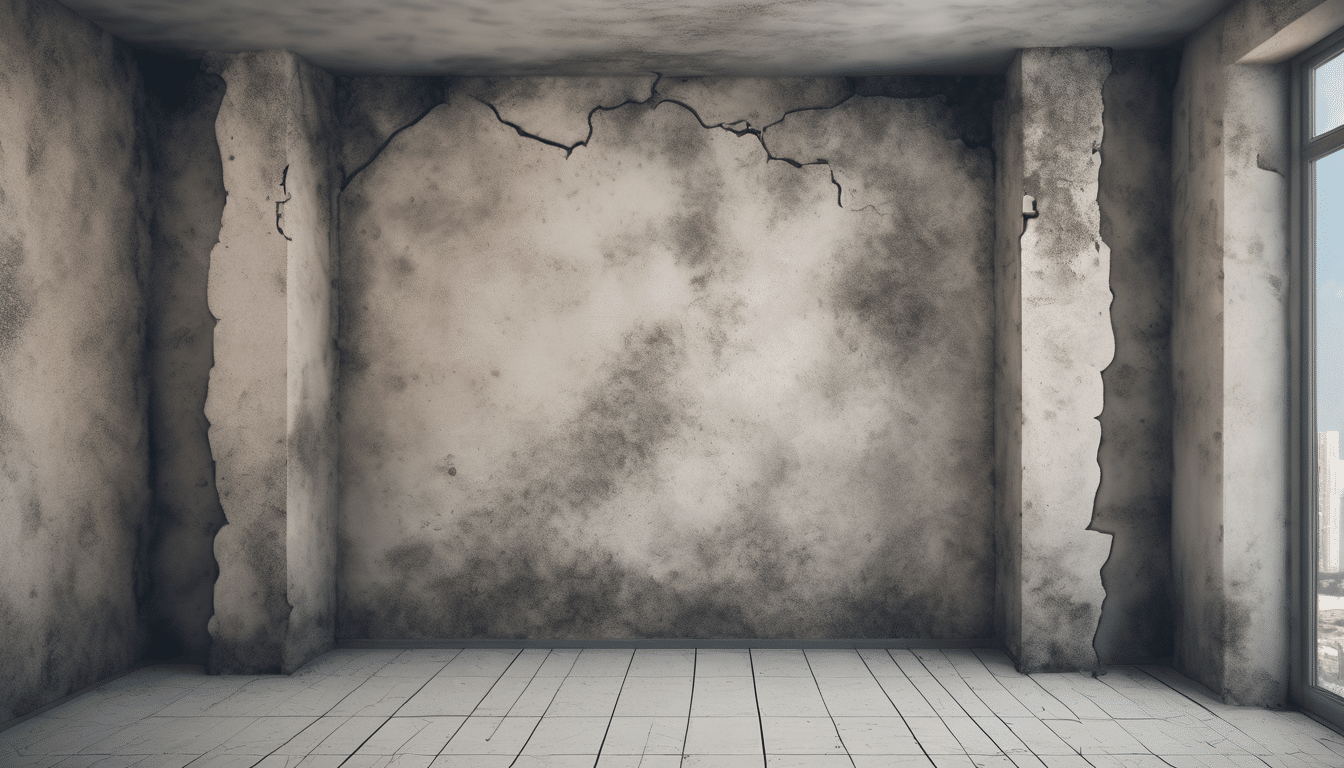
Look out for discolored patches on wall surfaces or ceilings that appear dark or musty. Cracks, peeling paint, and bubbling materials may also suggest underlying moisture issues. Additionally, a musty odor could be an early warning sign of mold presence.
—
Advanced Detection Methods
Advanced detection methods are essential for identifying hidden mold growth behind walls that cannot be seen with the naked eye.
Thermal imaging can reveal temperature differences caused by moisture in wall cavities. This non-invasive technique helps identify areas where mold may be growing. Borescopes allow for visual inspection of hard-to-reach spaces, providing direct evidence of hidden mold. Air sampling and spore trap analysis can also detect the presence of mold spores in the air, indicating active growth behind walls.
—
Preventing Hidden Mold Growth in Dubai
Effective prevention strategies are essential to minimize the risk of hidden mold growth. This section covers moisture management, proper ventilation, and building envelope integrity. Understanding Hidden Mold Behind Walls: A Comprehensive Guide For Dubai helps with this aspect.
—
Moisture Control Measures
Proper moisture control is vital for preventing hidden mold growth. Addressing plumbing leaks, condensation issues, and roof seepage can significantly reduce the likelihood of hidden mold development.
Regularly inspect plumbing systems to identify and fix leaks promptly. Install proper drainage around the home’s foundation to prevent water intrusion. Use dehumidifiers in high-moisture areas like basements and bathrooms to maintain optimal relative humidity levels.
—
Building Envelope Integrity
A well-sealed building envelope is crucial for preventing moisture from entering wall cavities.
Inspect the building’s exterior for signs of water damage, such as cracks or loose materials. Properly seal gaps around windows and doors to prevent air leaks that can cause condensation inside walls. Ensure that insulation materials are intact and not compressed or damaged.
—
Professional Remediation Strategies for Hidden Mold
When hidden mold is detected, professional remediation strategies are necessary to ensure thorough cleaning and prevent future growth.
—
Removal Methods and Containment
Effective removal methods involve proper containment and the use of negative pressure to prevent cross-contamination during the remediation process.
Containment should be established around the affected area to limit mold spread. Negative pressure systems, such as HEPA-filtered exhaust fans, can help contain airborne spores. Moisture-mapping technologies can identify areas with high moisture content, guiding targeted removal efforts.
—
Mycotoxin Mitigation
Mycotoxins pose a significant health risk and must be addressed during remediation.
Use antimicrobial agents to treat surfaces where mycotoxins may have formed. Laboratory testing can confirm the presence of mycotoxins, guiding appropriate remediation measures. Post-remediation verification ensures that mold has been effectively removed and no mycotoxins remain.
—
Taking Action on Hidden Mold: A Step-by-Step Guide
Addressing hidden mold requires a systematic approach to ensure thorough remediation. This section provides a step-by-step guide for homeowners.
—
Initial Assessment and Testing
Begin with a comprehensive indoor air quality test and visual inspection.
Hire an independent indoor environmental consultant to conduct a detailed assessment of the property. They can perform thermal imaging, borescope inspections, and air sampling to identify hidden mold growth accurately.
—
Developing a Remediation Plan
A thorough remediation plan addresses both visible and hidden areas.
Create a step-by-step plan that includes containment strategies, removal methods, and post-remediation verification. Ensure the plan is science-based and aligned with industry best practices.
—
Expert Tips for Dealing with Hidden Mold in Dubai
Here are some practical tips to help homeowners effectively manage hidden mold issues.
—
1. Regular Maintenance: Conduct regular maintenance checks on plumbing, HVAC systems, and roof integrity.
2. Proper Ventilation: Ensure adequate ventilation in high-moisture areas like bathrooms and kitchens.
3. Professional Consultation: Engage a qualified indoor environmental consultant for thorough assessments and remediation plans.
4. Containment Practices: Use appropriate containment practices during remediation to prevent cross-contamination.
5. Post-Remediation Verification: Verify the effectiveness of mold removal through professional testing.
—
Frequently Asked Questions about Hidden Mold
Here are answers to common questions homeowners may have regarding hidden mold.
—
1. What are the health risks associated with hidden mold?
Hidden mold can release spores and mycotoxins that pose respiratory issues, allergies, and other health problems. Hidden Mold Behind Walls: A Comprehensive Guide For Dubai factors into this consideration.
2. How can I prevent hidden mold growth in Dubai properties?
Preventative measures include regular inspections, proper ventilation, moisture control, and addressing plumbing leaks promptly.
3. What is the best way to detect hidden mold behind walls?
Thermal imaging, borescope inspections, air sampling, and visual inspections are effective methods for identifying hidden mold growth.
—
Conclusion: Your Comprehensive Guide to Hidden Mold for Dubai
Addressing hidden mold is a critical step in maintaining a healthy indoor environment. By understanding the conditions that lead to hidden mold, detecting it early, and implementing effective remediation strategies, homeowners can protect their health and property.
—
