
—
TITLE—
Post-Remediation Verification Methods for Mold Removal – A Comprehensive Guide to Ensure Success
—
META—
Post-remediation verification methods for mold removal are crucial in ensuring that your property remains free from harmful mold growth. Learn the steps and techniques needed to confirm successful remediation.
—
EXCERPT—
Understanding post-remediation verification is essential for ensuring the long-term success of a mold remediation project. This guide will walk you through key methods, their importance, and how to implement them effectively.
—
CONTENT—
Understanding Post-Remediation Verification Methods for Mold Removal
Post-remediation verification is the final step in a comprehensive mold remediation process. It ensures that all areas of concern have been thoroughly addressed, reducing the risk of future contamination and protecting the health of occupants.
Post-remediation Verification Methods For Mold Removal – Objectives of Post-Remediation Verification
The primary objectives include:
- Confirming the absence of mold growth
- Evaluating moisture levels to prevent recurrence
- Ensuring proper containment and handling procedures
- Maintaining air quality standards post-remediation
Post-remediation Verification Methods For Mold Removal – Methods of Post-Remediation Verification
Several methods are commonly used to verify the effectiveness of mold remediation:
- Visual Inspection
- Air Sampling and Spore Trapping
- Surface Sampling
- Mold Testing in Laboratories
- Hygrothermal Analysis
Visual Inspection
A thorough visual inspection is the first step. This involves:
- Checking for visible mold growth and signs of water damage
- Evaluating the condition of materials used in remediation
- Inspecting areas that were previously inaccessible or hidden
Air Sampling and Spore Trapping
Air sampling is crucial for:
- Detecting airborne mold spores
- Evaluating the effectiveness of containment measures
- Identifying any sources that may have been missed during remediation
Surface Sampling
Surface sampling includes:
- Taking swab or tape lift samples from various surfaces
- Analyzing these samples in a laboratory to identify specific mold species and concentrations
- Ensuring that all identified molds are within acceptable levels
Mold Testing in Laboratories
Laboratory testing is vital for:
- Identifying the presence of mold spores and mycotoxins
- Determining the species present to guide future remediation efforts
- Confirming that all detected molds are below safe levels
Hygrothermal Analysis
This analysis involves:
- Evaluating moisture content in materials and air
- Identifying potential sources of moisture intrusion
- Ensuring that all areas are within safe moisture levels to prevent future mold growth
Post-Remediation Verification Procedures
To ensure the most accurate and effective verification, follow these procedures:
- Selecting Appropriate Methods
- Establishing Reference Levels
- Implementing Safe Practices
- Reporting and Documentation
Selecting Appropriate Methods
Choose methods based on:
- Project scope and complexity
- Type of materials involved
- Specific health concerns or regulations
Establishing Reference Levels
Set reference levels for mold spores, moisture content, and other relevant factors. These benchmarks will help determine if remediation was successful.
Implementing Safe Practices
Ensure that:
- Proper personal protective equipment (PPE) is used during sampling and analysis
- Sampling tools are clean and properly calibrated
- Data is recorded accurately to support post-remediation verification reports
Reporting and Documentation
Prepare detailed reports that:
- Detail the sampling process, including methods and locations
- Present laboratory results with analysis of findings
- Recommend any further actions required to maintain long-term mold control
Expert Tips for Post-Remediation Verification
1. Engage Professional Experts: Ensure that all verification methods are conducted by qualified professionals.
2. Use Multiple Methods: Combine visual inspections with air and surface sampling to get a comprehensive picture.
3. Document Every Step: Maintain detailed records of the remediation process for future reference.
4. Follow Local Guidelines: Adhere to local health and safety regulations when conducting post-remediation verification.
FAQ: Post-Remediation Verification
- Q: How long after remediation should I perform verification?
- A: Typically, verification is conducted 14 to 30 days post-remediation to ensure that all spores and moisture have had sufficient time to settle.
- Q: What are the common pitfalls in post-remediation verification?
- A: Common pitfalls include insufficient sampling, failure to address underlying moisture issues, and improper documentation of findings.
- Q: How do I interpret the results of air and surface sampling?
- A: Interpretations should be based on reference levels established for your specific project. Any findings above these levels indicate potential areas for further investigation or remediation.
Conclusion: Post-Remediation Verification
Post-remediation verification is a critical step in the mold remediation process. By following established methods and procedures, you can ensure that your property remains free from harmful mold growth. Remember to engage professionals, use multiple verification techniques, and document every step for comprehensive results.
—
TAGS—
mold remediation, post-remediation verification, air sampling, surface testing, hygrothermal analysis
—
ALT_TEXT—
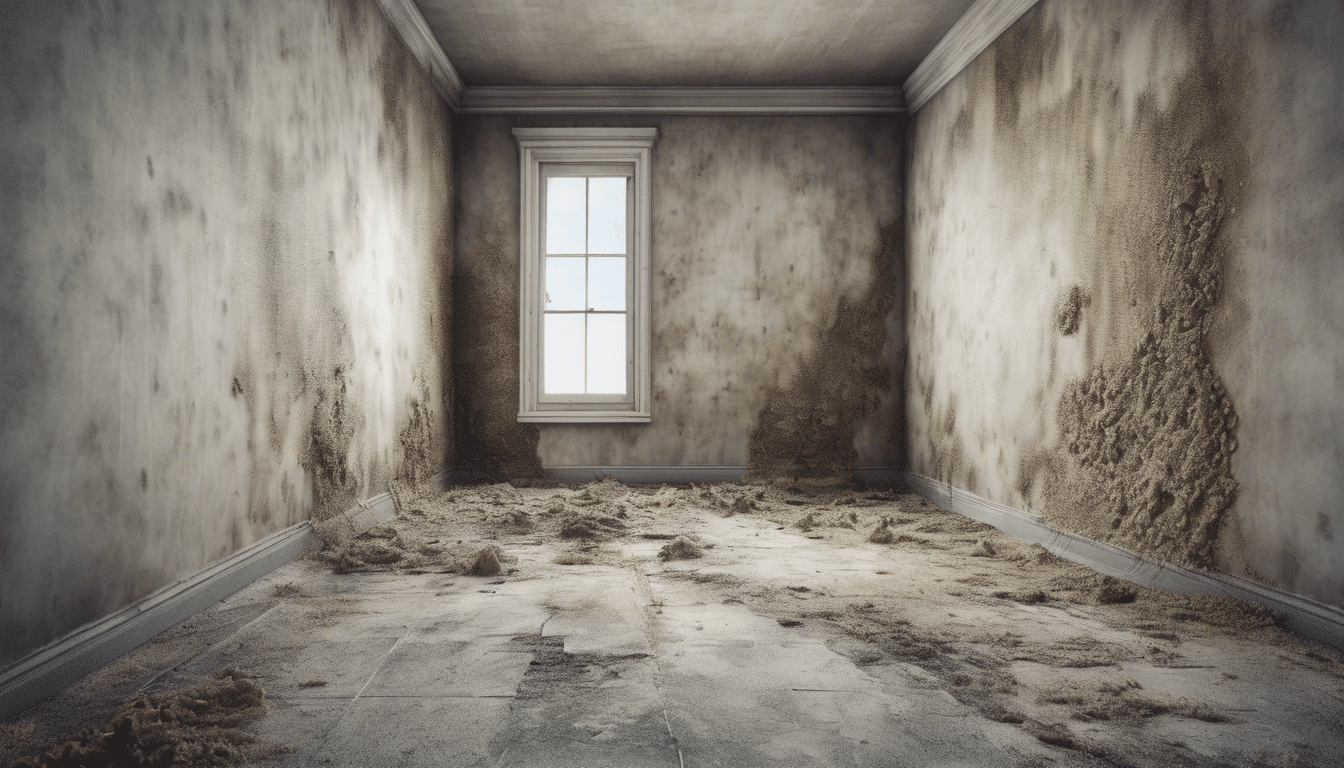
Post-Remediation Verification Methods for Mold Removal – Detailed inspection of mold remediation areas to ensure long-term success.