
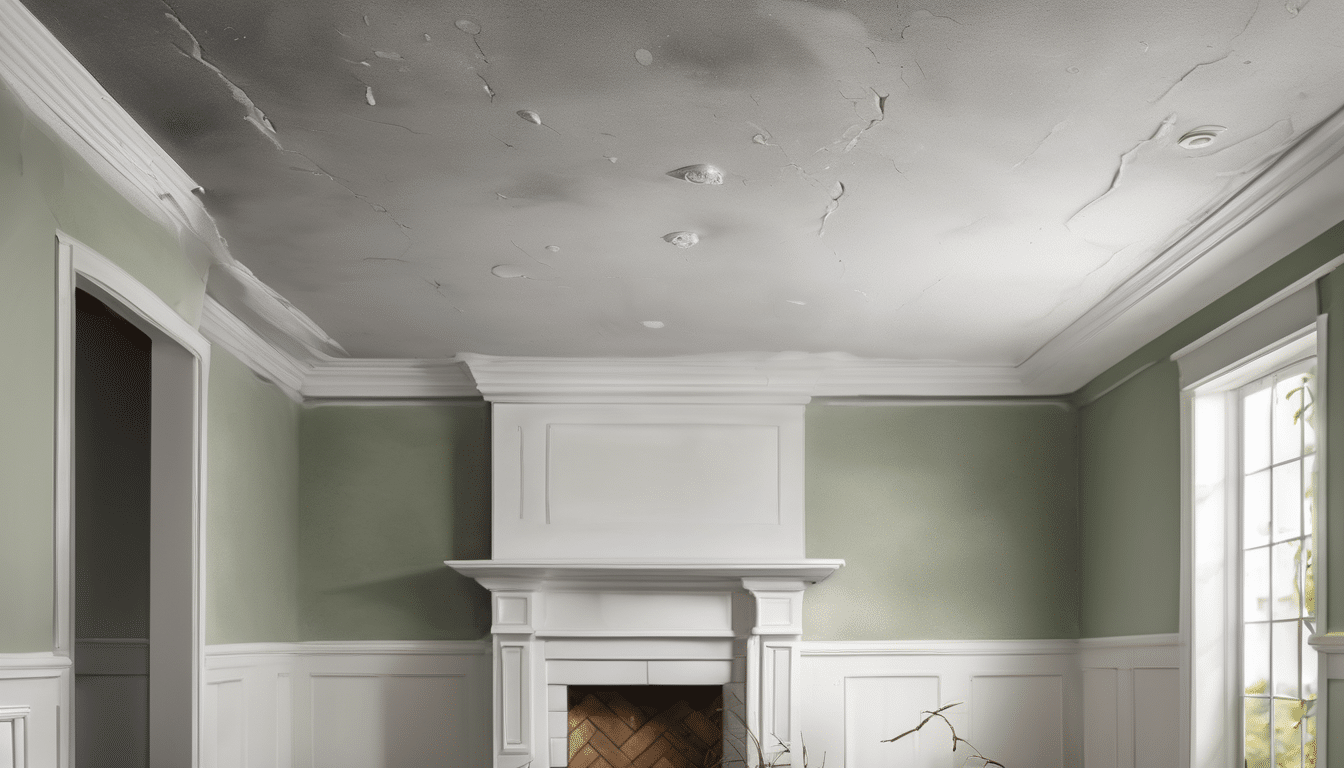
Ceiling water damage presents a significant challenge for homeowners across Dubai, Abu Dhabi, and the wider UAE region. While visible water stains may seem like the primary concern, the real danger often lies hidden above your ceiling. Identifying hidden mold after ceiling water damage requires systematic investigation techniques that go beyond surface observation. This comprehensive guide provides step-by-step instructions for detecting concealed mold growth that could compromise your indoor air quality and structural integrity.
In Dubai’s climate, where high humidity combines with air-conditioned interiors, ceiling leaks create ideal conditions for mold colonization within days. The process of identifying hidden Mold After Ceiling water damage involves understanding moisture pathways, recognizing subtle signs, and using appropriate detection tools. Many homeowners only discover extensive mold problems during renovations or when health symptoms appear, making proactive identification crucial for maintaining a healthy indoor environment.
This guide will walk you through professional methods for Identifying Hidden Mold after ceiling water damage, from initial visual assessment to advanced moisture detection. You’ll learn how to interpret subtle clues, when to seek professional assistance, and what steps to take if you discover concealed mold growth in your property.
Identifying Hidden Mold After Ceiling Water Damage – Understanding Hidden Mold Risks After Water Damage
Identifying hidden mold after ceiling water damage begins with understanding why mold develops in concealed spaces. When water infiltrates ceiling materials, it creates damp conditions that mold spores naturally present in the air can colonize within 24-48 hours. The warm, humid climate of the UAE accelerates this process significantly, making prompt identification crucial.
Mold requires three elements to grow: moisture, organic material, and appropriate temperature. Ceiling materials like gypsum board, wood framing, and insulation provide perfect organic substrates. Hidden mold often develops in ceiling cavities, above suspended ceilings, behind light fixtures, and within HVAC ducts connected to affected areas. This concealed growth can continue undetected for months, releasing spores and microbial volatile organic compounds into your living space.
The health implications of hidden mold exposure range from allergic reactions and respiratory issues to more severe symptoms in immunocompromised individuals. Structurally, concealed mold can compromise building materials, leading to weakened ceilings and potential collapse risks. Identifying hidden mold after ceiling water damage early prevents these health and structural concerns from escalating into major problems.
Identifying Hidden Mold After Ceiling Water Damage – Essential Tools for Identifying Hidden Mold
Proper identification requires specific tools to detect what your eyes cannot see. For identifying hidden mold after ceiling water damage, you’ll need both basic and specialized equipment. Start with protective gear including N95 respirator masks, nitrile gloves, and safety goggles to prevent exposure during investigation.
Essential detection tools include a high-quality flashlight for illuminating dark spaces, a moisture meter for measuring dampness in materials, and a thermal imaging camera if available. A borescope or inspection camera becomes invaluable for viewing inside wall and ceiling cavities without destructive testing. These tools range from AED 200 for basic moisture meters to AED 2,000-4,000 for professional-grade thermal imaging devices.
Documentation equipment is equally important for identifying hidden mold after ceiling water damage. A digital camera with macro capability helps record visual evidence, while a notebook or voice recorder allows you to document locations and observations systematically. For DIY testing, mold test kits costing AED 150-400 can provide preliminary indications, though professional laboratory analysis remains the gold standard for definitive identification.
Identifying Hidden Mold After Ceiling Water Damage – Visual Inspection Techniques for Hidden Mold
Visual inspection forms the foundation of identifying hidden mold after ceiling water damage. Begin with a systematic examination of the affected area, looking beyond obvious water stains. Discoloration patterns often provide clues about moisture sources and potential hidden mold locations. Yellowish, brownish, or blackish stains spreading from the leak point indicate prolonged moisture presence likely supporting mold growth.
Examine ceiling surfaces for subtle signs like peeling paint, bubbling wallpaper, or warping materials. These visual indicators often precede visible mold appearance. Pay particular attention to ceiling corners, edges, and areas around light fixtures where moisture tends to accumulate. Use your flashlight at acute angles to highlight texture variations and subtle discolorations that might indicate underlying mold growth.
For identifying hidden mold after ceiling water damage in suspended ceilings, carefully remove ceiling tiles near the leak area. Inspect the upper surfaces, structural elements, and HVAC components above the ceiling. Look for fuzzy growth, speckled patterns, or powdery substances on hidden surfaces. Remember that mold appears in various colours including black, green, white, or orange, so any unusual fungal growth warrants further investigation.
Moisture Detection Methods for Concealed Mold
Since moisture precedes mold, detection of dampness provides the most reliable indicator for identifying hidden mold after ceiling water damage. Moisture meters come in two types: pin-type that measure electrical conductivity between probes inserted into materials, and pinless models that use electromagnetic waves to detect moisture without penetration.
Start moisture mapping from the obvious water damage epicentre and work outward in concentric circles. Document moisture readings systematically, creating a dampness map that highlights areas requiring closer inspection. Materials with moisture content above 16-18% typically support mold growth. Pay special attention to areas that feel cooler to the touch, as temperature differentials often indicate hidden moisture accumulation.
Thermal imaging cameras provide the most advanced method for identifying hidden mold after ceiling water damage by visualizing temperature variations caused by moisture. Wet areas appear cooler than dry surroundings, creating visible patterns that guide targeted investigation. While professional thermal imaging services cost AED 800-1,500 in the UAE, they can identify concealed moisture issues that would otherwise remain undetected until significant damage occurs.
When to Seek Professional Mold Assessment
While DIY methods provide initial screening, certain situations require professional expertise for identifying hidden mold after ceiling water damage. If your initial investigation reveals extensive moisture penetration, musty odours persist despite cleaning, or household members experience unexplained health symptoms, professional assessment becomes essential.
Certified mold inspectors in Dubai and Abu Dhabi use comprehensive approaches including infrared thermal imaging, sophisticated moisture detection, and air quality testing. Professional assessment typically costs between AED 1,500-3,500 depending on property size and complexity. This investment provides definitive identification through laboratory analysis of surface and air samples, determining both mold presence and species identification.
Seek professional help when dealing with large affected areas (over 3 square metres), HVAC system contamination, or when previous remediation attempts failed. Professionals also provide detailed documentation for insurance claims and legal purposes. For properties with vulnerable occupants (elderly, children, or immunocompromised individuals), professional assessment ensures thorough identifying hidden mold after ceiling water damage without health risks.
Safety Precautions During Mold Investigation
Safety remains paramount when identifying hidden mold after ceiling water damage. Mold spores become airborne during disturbance, potentially causing respiratory exposure. Always wear appropriate personal protective equipment including N95 respirator masks, gloves, and eye protection. Avoid touching your face during investigation and wash thoroughly afterward.
Containment measures prevent cross-contamination during investigation. Close doors to other areas, use plastic sheeting to isolate the work area, and consider running an air purifier with HEPA filtration. If accessing ceiling spaces, ensure proper ladder safety and have assistance available. For extensive hidden mold identification, consider temporary relocation of sensitive individuals during the investigation process.
Electrical safety deserves special attention when identifying hidden mold after ceiling water damage. Moisture and electricity create dangerous combinations. Turn off power to affected areas before investigation, especially when examining light fixtures or electrical outlets. If water penetration affected electrical systems, consult an electrician before proceeding with mold investigation to avoid electrocution risks.
Documenting Your Mold Findings Properly
Thorough documentation creates a valuable record when identifying hidden mold after ceiling water damage. Start with overall photos of the affected area, then progress to close-up images of specific findings. Include a ruler or coin in photos for scale reference. Note dates, times, and locations for all observations in a dedicated notebook.
Create a moisture map documenting readings from different areas, noting specific measurements and locations. This documentation becomes invaluable for monitoring changes over time and providing evidence for insurance claims or professional consultations. When sampling for mold testing, document sampling locations, methods, and conditions meticulously.
For insurance purposes, maintain a complete file including photos, moisture readings, correspondence with professionals, and receipts for testing equipment or services. This comprehensive approach to documenting the process of identifying hidden mold after ceiling water damage provides necessary evidence if disputes arise regarding coverage or liability for remediation costs.
Expert Tips for Effective Mold Detection
Based on extensive field experience with identifying hidden mold after ceiling water damage in UAE properties, these expert tips improve detection effectiveness. First, investigate during daylight hours when natural light reveals subtle colour variations and moisture patterns that artificial lighting might mask.
Second, trust your sense of smell – musty, earthy odours often indicate hidden mold presence even when visual signs are absent. Third, consider temporal patterns – moisture and mold visibility can fluctuate with temperature and humidity changes, so conduct multiple investigations at different times if initial results seem inconclusive.
Fourth, understand building construction – knowledge of how ceilings are assembled helps predict moisture pathways and likely mold locations. Fifth, when in doubt, consult professionals – erroneous identification can lead to unnecessary remediation costs or inadequate treatment of serious mold problems.
Frequently Asked Questions
How soon after ceiling water damage does hidden mold develop?
In Dubai’s climate, hidden mold can begin developing within 24-48 hours after water damage. The warm, humid conditions accelerate mold growth significantly compared to cooler climates. Prompt water extraction and drying within the first 24 hours dramatically reduces mold colonization risks.
Can I use bleach to identify hidden mold?
Bleach is not recommended for identifying hidden mold after ceiling water damage. While it may lighten visible mold temporarily, it doesn’t eliminate underlying growth and can create harmful fumes. Professional assessment methods provide accurate identification without health risks or false negatives.
Are home mold test kits reliable for hidden mold detection?
Home test kits provide preliminary indications but lack the reliability of professional laboratory analysis for identifying hidden mold after ceiling water damage. They may detect airborne spores but cannot pinpoint hidden growth locations or determine extent of contamination accurately.
What does hidden mold smell like?
Hidden mold typically produces a musty, earthy odour similar to damp soil or rotting wood. The strength of the odour often correlates with the extent of mold growth. However, absence of odour doesn’t guarantee absence of mold, as some species produce minimal detectable smells.
How much does professional mold inspection cost in Dubai?
Professional mold inspection in Dubai typically ranges from AED 1,500 to AED 3,500 depending on property size, accessibility, and testing requirements. This investment provides comprehensive identifying hidden mold after ceiling water damage with laboratory confirmation and detailed reporting.
Identifying hidden mold after ceiling water damage requires systematic approach combining visual inspection, moisture detection, and sometimes professional assessment. In Dubai’s climate, prompt and thorough investigation prevents minor water incidents from developing into major mold problems affecting both property integrity and occupant health. Regular monitoring and maintenance remain the best strategy for early detection and effective management of hidden mold issues.