
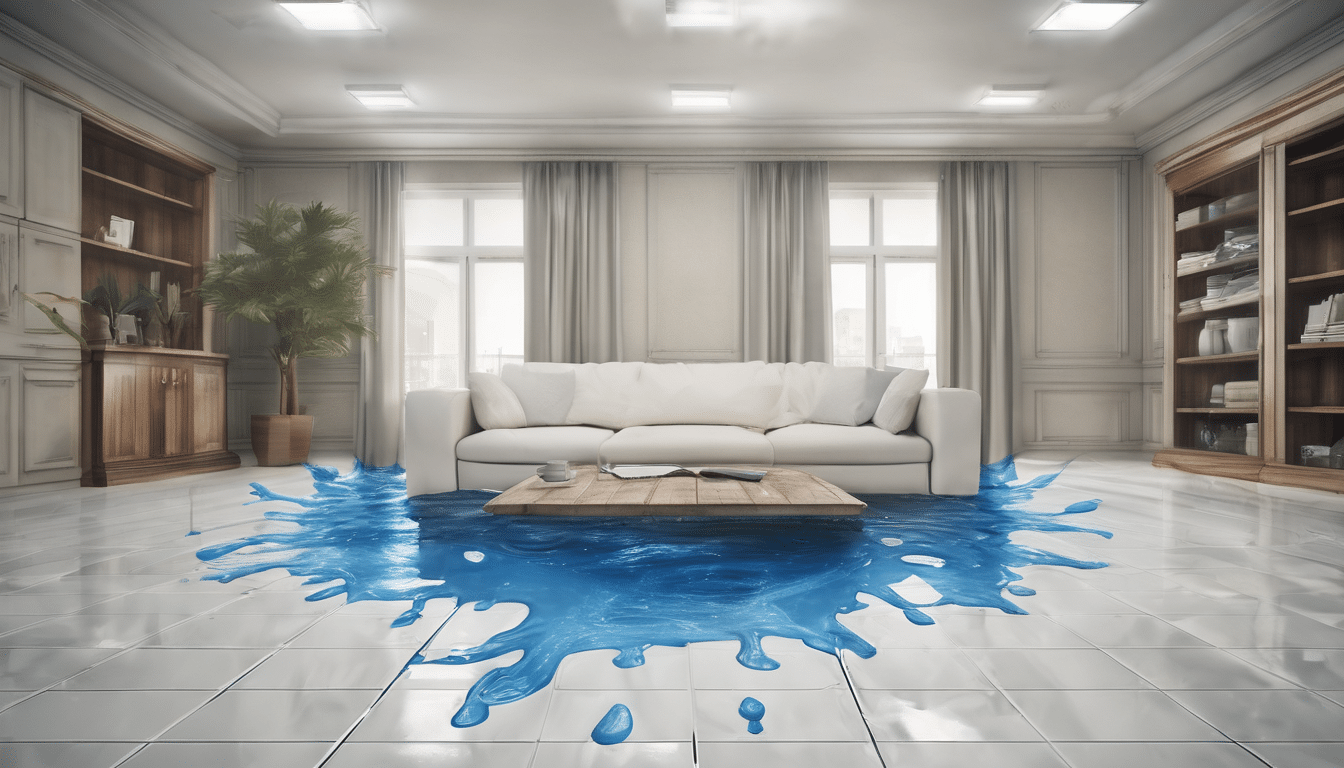
Understanding Emergency Water Damage Response For Ac Leaks Dubai is essential. When your air conditioning system starts leaking in Dubai, every minute counts. The combination of high humidity and water intrusion creates perfect conditions for rapid mold development, potentially compromising your family’s health and your property’s structural integrity within 24-48 hours.
Emergency water damage response for AC leaks Dubai situations demand immediate, systematic action. Unlike minor drips that might seem manageable, AC water damage can quickly escalate into hidden moisture problems behind walls, under flooring, and within building cavities where mold thrives undetected.
Understanding the urgency becomes clearer when you consider Dubai’s unique environmental challenges. Indoor temperatures typically maintained at 20-24°C create dramatic thermal differentials with outdoor conditions reaching 45°C, leading to condensation issues that compound water damage problems.
Emergency Water Damage Response For Ac Leaks Dubai – Immediate Assessment and Safety Steps
The first moments of discovering an AC leak determine whether you face a manageable cleanup or extensive remediation. Emergency water damage response for AC leaks Dubai protocols begin with rapid safety assessment and damage containment.
Electrical Safety Evaluation
Before approaching any water damage area, evaluate electrical hazards. AC units operate on significant electrical loads, and water contact with electrical components creates serious shock risks. Switch off electrical circuits serving the affected area at the main panel, not just at wall switches.
In Dubai’s typically concrete construction, water can travel along electrical conduits and appear in unexpected locations. Check for water near electrical outlets, light fixtures, and any visible wiring before proceeding with cleanup activities.
Structural Assessment
Examine ceiling areas around the leak source for sagging, discolouration, or obvious structural compromise. Dubai’s construction often includes gypsum board ceilings that absorb water rapidly and can collapse unexpectedly when saturated.
Look for water staining patterns that indicate how long the leak may have been active. Fresh water damage appears as clean, wet areas, while established leaks show brown or yellow staining indicating prolonged moisture exposure and potential hidden damage.
Emergency Water Damage Response For Ac Leaks Dubai: Stopping the Water Source
Effective emergency water damage response for AC leaks Dubai requires immediately stopping the water source before cleanup can begin. AC water damage typically originates from predictable failure points that trained eyes can identify quickly.
Condensate Drain Problems
Most AC water damage stems from blocked or disconnected condensate drains. Dubai’s dusty environment frequently clogs these drainage systems, causing water to back up and overflow from the indoor unit.
Locate the condensate drain pan, typically found beneath the indoor AC unit. If water is overflowing from this pan, the primary drain line is likely blocked. Switch off the AC system immediately to prevent continued water production while addressing the drainage issue.
Frozen Coil Situations
Dubai’s extreme temperature differentials can cause evaporator coils to freeze, then rapidly thaw and flood when the system cycles. This creates sudden, large-volume water releases that overwhelm normal drainage capacity.
If you observe ice formation on the indoor unit or unusually cold airflow followed by warm air, you’re likely dealing with a freeze-thaw cycle. Turn off the system and allow complete thawing before restarting, which may take 2-4 hours in Dubai’s climate.
Emergency Water Damage Response for AC leaks Dubai Documentation
Proper documentation forms the foundation of successful insurance claims and guides remediation decisions. Emergency water damage response for AC leaks Dubai situations require systematic recording of conditions, damage extent, and response actions.
Photographic Evidence
Document all visible water damage with time-stamped photographs before beginning cleanup activities. Capture wide-angle shots showing the overall affected area, then detailed images of specific damage points, water staining, and affected materials. This relates directly to Emergency Water Damage Response For Ac Leaks Dubai.
Include photographs of the AC unit itself, showing the leak source, condensate pan condition, and any obvious mechanical failures. Insurance adjusters rely heavily on this visual documentation to assess claim validity and damage extent.
Moisture Readings and Mapping
Record initial moisture readings using either pin-type or pinless moisture metres before any drying equipment deployment. Document readings in affected areas and establish baseline readings in unaffected adjacent areas for comparison.
Create a simple floor plan sketch showing the affected area, noting moisture readings at various points. This mapping becomes essential if hidden damage emerges later or if mold testing becomes necessary during the recovery process.
Water Extraction Techniques
Rapid water removal minimises secondary damage and prevents mold establishment. Dubai’s humid climate makes water extraction timing even more critical, as ambient moisture levels slow natural drying processes.
Standing Water Removal
Remove standing water using wet-dry vacuum systems, starting from the deepest pools and working toward drainage points or extraction equipment. Avoid spreading contaminated water to previously dry areas during extraction activities.
For larger water volumes, consider submersible pumps or truck-mounted extraction units. Professional water damage restoration companies in Dubai typically respond within 2-4 hours and bring industrial-grade extraction equipment capable of removing thousands of litres per hour.
Absorbed Water Extraction
Carpeting, padding, and porous materials require specialised extraction techniques beyond simple surface water removal. Emergency water damage response for AC leaks Dubai often involves materials that have absorbed significant water volumes and need aggressive extraction.
Use weighted extraction methods for carpeting, applying maximum vacuum pressure with weighted tools to draw water from carpet backing and pad materials. Replace carpet padding immediately if saturation exceeds 50% of the material thickness, as it rarely dries properly in Dubai’s humid conditions.
Moisture Detection and Mapping
Hidden moisture creates the greatest long-term problems after AC water damage. Professional-grade moisture detection identifies water migration pathways that visual inspection cannot reveal.
Advanced Detection Methods
Thermal imaging cameras detect temperature variations indicating hidden moisture behind walls, under flooring, or within ceiling cavities. In Dubai’s air-conditioned buildings, moisture appears as cooler areas contrasting with surrounding dry materials.
Pin-type moisture metres provide precise readings when inserted directly into building materials. Focus testing on areas adjacent to visible damage, particularly along baseboards, behind furniture, and in corners where water naturally accumulates.
Moisture Migration Patterns
Water follows predictable pathways through building assemblies. In Dubai’s concrete construction, water typically travels along the interface between concrete slabs and wall systems, potentially affecting rooms distant from the original leak source.
Emergency water damage response for AC leaks Dubai requires understanding these migration patterns to identify all affected areas. Check areas directly below the leak source, but also examine adjacent rooms sharing wall assemblies or served by connected HVAC ductwork.
Emergency Drying Procedures
Effective drying requires understanding psychrometrics—the relationship between temperature, humidity, and moisture removal capacity. Dubai’s external humidity levels often exceed 80%, making mechanical dehumidification essential for proper drying. When considering Emergency Water Damage Response For Ac Leaks Dubai, this becomes clear.
Equipment Selection and Placement
Deploy refrigerant dehumidifiers capable of operating effectively in high-humidity conditions typical of Dubai. Position units to create controlled drying chambers, using plastic sheeting to isolate affected areas and maximise equipment efficiency.
Air movers should create laminar airflow across wet surfaces without creating turbulent conditions that spread contamination. Position equipment to move air from dry areas toward wet areas, then toward dehumidifier intake locations for optimal moisture removal.
Monitoring and Adjustment
Monitor ambient humidity levels and material moisture content daily during the drying process. Effective emergency water damage response for AC leaks Dubai achieves moisture readings within 10% of baseline readings in unaffected areas.
Adjust equipment positioning and capacity based on daily readings. If moisture levels plateau without reaching target readings, investigate hidden moisture sources or consider increasing equipment capacity.
Preventing Mold Contamination
Mold prevention begins immediately during water damage response activities. Dubai’s climate supports mold development within 24-48 hours under ideal conditions, making prevention strategies critical during emergency response.
Antimicrobial Application
Apply EPA-registered antimicrobial solutions to affected surfaces after water extraction but before drying equipment deployment. Focus application on porous materials, wood surfaces, and areas where complete drying might be challenging.
Avoid biocide products that require specific licensing or training for safe application. Many effective antimicrobial solutions are available for homeowner use when applied according to manufacturer instructions and safety guidelines.
Contamination Control
Establish physical barriers between affected and unaffected areas during cleanup activities. Use plastic sheeting and maintain negative pressure relationships to prevent airborne contamination from spreading through HVAC systems.
Emergency water damage response for AC leaks Dubai often involves ductwork contamination, requiring additional containment measures to prevent cross-contamination to other building areas served by the same HVAC system.
HVAC System Inspection and Repair
AC water damage often indicates underlying HVAC system problems requiring professional diagnosis and repair. Addressing only the water damage without correcting the cause typically results in recurring problems.
Drainage System Evaluation
Inspect the entire condensate drainage pathway from the evaporator coil to the final discharge point. Dubai’s construction often includes complex drainage routing through wall cavities and concrete slabs where blockages develop undetected.
Test drainage capacity by pouring measured water volumes into the condensate pan while monitoring discharge flow rates. Proper drainage should handle the maximum condensate production rate without backing up or overflowing.
System Component Assessment
Examine evaporator coil condition, looking for ice formation patterns, excessive dust accumulation, or refrigerant leak evidence. These conditions often contribute to drainage problems and water damage incidents.
Check air filter condition and replacement schedule compliance. Dubai’s dusty environment requires frequent filter changes, and blocked filters contribute to coil freezing and drainage problems that cause water damage. The importance of Emergency Water Damage Response For Ac Leaks Dubai is evident here.
When Professional Assessment Becomes Critical
Certain conditions during emergency water damage response for AC leaks Dubai require professional intervention beyond homeowner capabilities. Recognising these trigger points prevents minor incidents from becoming major remediation projects.
Hidden Moisture Discovery
If moisture detection reveals water migration into wall cavities, under flooring systems, or within ceiling assemblies, professional assessment becomes necessary. These conditions require specialised drying techniques and monitoring that exceed typical homeowner resources.
Professional restoration companies bring truck-mounted extraction equipment, commercial-grade dehumidification systems, and structural drying expertise that dramatically reduces drying timeframes and prevents secondary damage.
Contamination Concerns
When water damage involves sewage backup, greywater contamination, or affects areas with existing mold growth, professional remediation becomes mandatory for health protection. These conditions require containment protocols and specialised cleaning procedures.
Consider professional assessment if family members experience respiratory symptoms, allergic reactions, or other health concerns following water damage incidents. Medical symptom correlation with environmental conditions requires expert evaluation.
Insurance Coordination and Claims
Insurance coverage for AC water damage varies significantly based on policy language and damage circumstances. Understanding coverage parameters helps coordinate emergency response activities with insurance claim requirements.
Immediate Notification Requirements
Contact your insurance provider within 24 hours of discovering water damage, even if you plan to handle initial cleanup activities independently. Many policies require prompt notification to maintain coverage eligibility.
Request specific guidance about cleanup activities that homeowners can perform without affecting coverage. Some insurers prefer professional restoration from the beginning, while others support homeowner mitigation efforts followed by professional assessment.
Documentation Standards
Insurance adjusters expect comprehensive documentation including photographs, moisture readings, and detailed descriptions of damage extent and response activities. Emergency water damage response for AC leaks Dubai claims often involve multiple visits and supplemental documentation requests.
Maintain detailed records of all expenses related to water damage response, including equipment rental, materials purchased, and professional services engaged. These records support claim reimbursement and tax deduction possibilities.
Professional Coordination
When working with insurance-preferred contractors, ensure they understand your specific concerns about mold prevention and indoor air quality. Some restoration companies focus primarily on visible damage without addressing potential hidden contamination.
Request detailed work scopes and completion criteria before authorising any professional work. Effective restoration addresses both immediate damage and long-term prevention measures to avoid recurring problems.
The success of emergency water damage response for AC leaks Dubai ultimately depends on rapid action, systematic approach, and understanding that water damage creates cascading risks requiring comprehensive response strategies. From immediate safety assessment through final system repairs, each step builds upon previous actions to protect both property and health.
Professional expertise becomes essential when hidden moisture, contamination concerns, or complex building assemblies exceed homeowner capabilities. However, proper emergency response during the first 24-48 hours often determines whether you face manageable cleanup or extensive remediation projects. Understanding Emergency Water Damage Response For Ac Leaks Dubai helps with this aspect.
Remember that AC water damage typically reflects underlying system problems requiring permanent correction. Addressing only the immediate water damage without correcting drainage issues, system maintenance problems, or building deficiencies often results in recurring incidents and escalating damage over time. Understanding Emergency Water Damage Response For Ac Leaks Dubai is key to success in this area.