
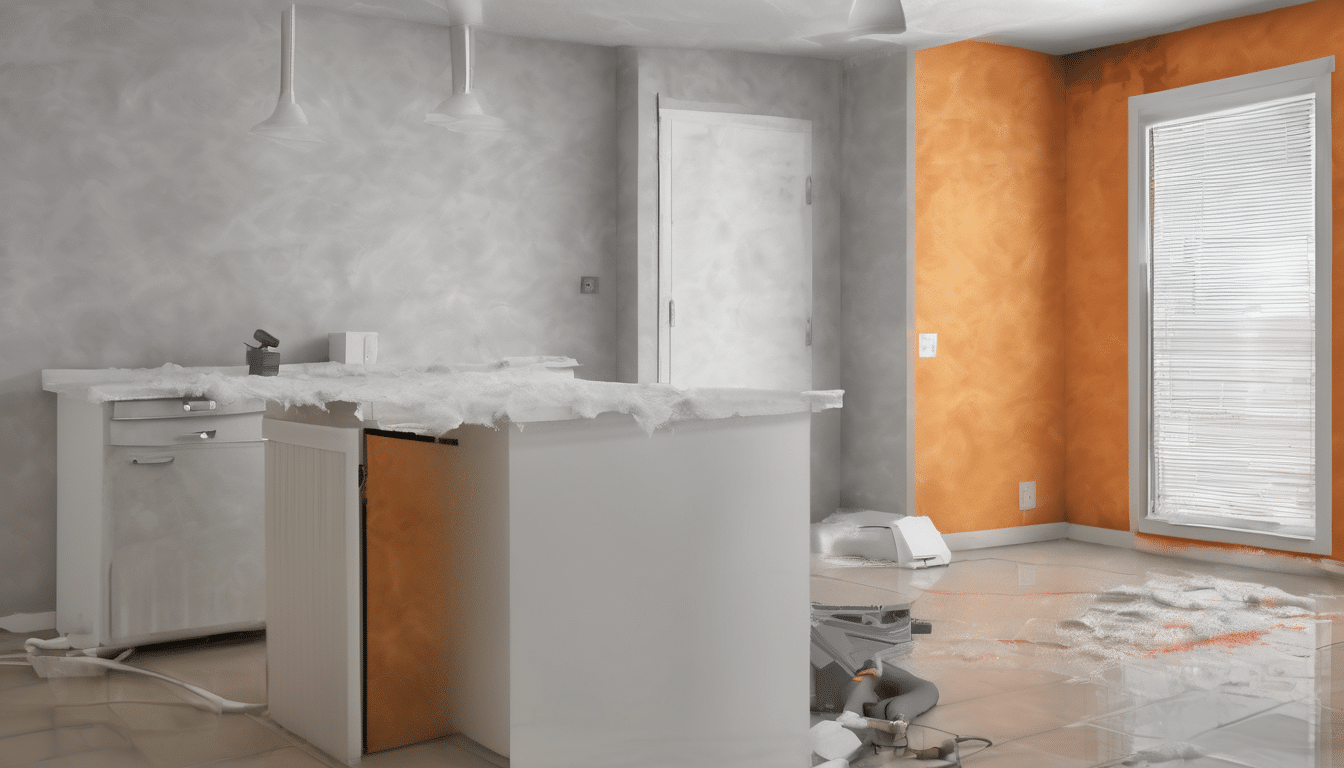
Air conditioning system failures represent one of the most common sources of moisture intrusion in UAE buildings, often leading to hidden mold growth behind walls, within ductwork, and throughout building cavities. When remediation work concludes, Post AC leak mold remediation clearance testing UAE becomes the critical final step that determines whether occupants can safely return to their property.
Clearance testing serves as independent verification that remediation efforts successfully eliminated contamination and restored indoor environmental conditions to acceptable levels. Without proper clearance protocols, families may unknowingly return to spaces where residual mold spores, mycotoxins, or moisture problems persist—potentially triggering ongoing health symptoms and requiring additional remediation cycles. This relates directly to Post Ac Leak Mold Remediation Clearance Testing Uae.
In Dubai’s high-humidity climate, where air conditioning systems operate continuously and condensation problems frequently occur, clearance testing provides essential protection against incomplete remediation outcomes that could compromise long-term indoor air quality.
Post Ac Leak Mold Remediation Clearance Testing Uae – Visual Inspection Protocols for Post AC Leak Remediation
Visual inspection forms the foundation of Post AC leak mold remediation clearance testing UAE, requiring systematic examination of all previously affected areas to confirm complete removal of visible contamination. Professional inspectors examine surfaces, materials, and building cavities using high-intensity lighting and magnification tools to detect any remaining mold growth or debris.
The inspection protocol begins with previously identified contamination zones, including areas behind wall panels where AC condensation accumulated, ceiling cavities above leaking units, and flooring substrates beneath affected systems. Inspectors verify that all visibly contaminated materials were properly removed or successfully cleaned according to industry standards.
Critical Assessment Areas
Inspectors focus particular attention on junction points where different building materials meet, as these locations often harbour residual contamination that superficial cleaning might miss. Window frames, door thresholds, and HVAC penetrations receive detailed examination, as these areas frequently retain moisture and provide ideal conditions for persistent growth.
All previously sealed containment areas must demonstrate complete clearance of debris, dust, and cleaning residues. Surfaces should appear clean, dry, and free from any discolouration, staining, or texture changes that might indicate remaining biological activity or incomplete material removal. When considering Post Ac Leak Mold Remediation Clearance Testing Uae, this becomes clear.
Professional visual inspection also evaluates the condition of replacement materials, ensuring proper installation without gaps, poor sealing, or installation defects that could allow future moisture intrusion. This assessment helps prevent recurring contamination problems that might otherwise necessitate additional Post AC leak mold remediation clearance testing UAE cycles.
Post Ac Leak Mold Remediation Clearance Testing Uae – Air Sampling Verification After Mold Removal
Air sampling provides quantitative verification that airborne mold spore concentrations have returned to acceptable levels following remediation work. This testing captures spores that might remain suspended in indoor air or become disturbed during normal occupancy activities, offering objective measurement of remediation effectiveness.
Professional air sampling for Post AC leak mold remediation clearance testing UAE typically involves collecting samples from remediated areas, comparing results against outdoor control samples, and evaluating spore types and concentrations against established clearance criteria. Sampling locations include areas of previous contamination, adjacent spaces, and HVAC return air streams.
Sampling Methodology Standards
Air samples are collected using calibrated pumps and spore trap cassettes, following standardised protocols that ensure representative results. Sample volumes typically range from 75 to 150 litres, collected over 5 to 10-minute periods to capture sufficient spores for accurate analysis while avoiding sample overloading.
Indoor spore concentrations should generally fall below outdoor levels, with total spore counts typically under 1,000 spores per cubic metre for clearance acceptance. However, specific criteria may vary based on property type, occupant sensitivities, and the extent of original contamination discovered during initial investigation.
Sample timing occurs after remediation completion but before final containment removal, ensuring that any remaining contamination is detected before occupants return. Multiple samples from different locations provide comprehensive coverage and help identify any areas where remediation might have been incomplete. The importance of Post Ac Leak Mold Remediation Clearance Testing Uae is evident here.
Post Ac Leak Mold Remediation Clearance Testing Uae – Surface Sampling Confirmation Methods
Surface sampling validates that previously contaminated materials and surfaces no longer harbour viable mold growth or elevated spore reservoirs that could become airborne during normal building use. This testing complements air sampling by directly measuring contamination levels on surfaces that occupants might contact or that might release spores over time.
Post AC leak mold remediation clearance testing UAE surface sampling focuses on areas where contamination was previously identified, including wall surfaces, flooring materials, and HVAC components. Sampling methods include tape lifts, swab samples, and bulk material collection, depending on surface type and contamination history.
Sample Collection Techniques
Tape lift sampling captures spores and fungal fragments from smooth surfaces, providing both quantitative spore counts and qualitative identification of remaining species. This method proves particularly effective on painted walls, metal surfaces, and finished flooring materials where visual inspection alone might miss microscopic residues.
Swab sampling targets textured surfaces, crevices, and areas where tape lifts cannot achieve adequate contact. Cotton swabs moistened with sterile water collect samples from grout lines, textured paint surfaces, and irregular materials that might retain contamination despite cleaning efforts.
Surface sample results should demonstrate significant reduction in spore concentrations compared to pre-remediation levels, with viable growth eliminated and total spore counts reduced to background levels. Presence of indicator species that suggest ongoing moisture problems or incomplete remediation requires additional investigation and potential re-cleaning before clearance approval.
Moisture Level Assessment and Documentation
Moisture assessment represents a critical component of Post AC leak mold remediation clearance testing UAE, as elevated moisture levels indicate ongoing conditions that could support future mold growth regardless of current contamination removal success. Comprehensive moisture evaluation examines building materials, indoor air conditions, and potential ongoing sources of water intrusion.
Professional moisture assessment utilises calibrated meters to measure moisture content in wooden framing, drywall, concrete, and other building materials. Readings should fall within normal ranges for each material type, typically below 15% for wood products and 4% for concrete and masonry materials in UAE climate conditions.
Environmental Condition Documentation
Indoor relative humidity levels require measurement and documentation to ensure conditions remain below thresholds that support mold growth. Target humidity levels in air-conditioned UAE buildings typically range from 40% to 60%, with levels consistently above 65% indicating potential ongoing moisture problems requiring correction.
Temperature measurements help evaluate thermal bridging, condensation potential, and HVAC system performance that might contribute to future moisture accumulation. Thermal imaging surveys can identify hidden moisture retention, insulation defects, and air leakage patterns that traditional meters might miss.
Documentation includes moisture mapping of previously affected areas, demonstrating that materials have dried to acceptable levels and identifying any locations where moisture retention might persist. This baseline information becomes essential for future monitoring and helps property owners understand conditions necessary to prevent recurring problems.
HVAC System Clearance Testing Procedures
HVAC system clearance represents one of the most complex aspects of Post AC leak mold remediation clearance testing UAE, as air conditioning systems can harbour contamination within ductwork, filters, coils, and drain systems that might not be immediately visible during surface inspection. Comprehensive HVAC assessment ensures that mechanical systems will not reintroduce contamination to cleaned spaces.
Ductwork inspection utilises borescope cameras and direct visual examination of accessible sections to verify complete removal of mold growth, debris, and cleaning residues. Particular attention focuses on areas near previous leak locations, drain pans, and insulation materials that might have absorbed moisture during the original water intrusion event. Understanding Post Ac Leak Mold Remediation Clearance Testing Uae helps with this aspect.
System Performance Verification
Air handler units require detailed inspection of cooling coils, drain pans, and filter housings to ensure complete contamination removal and proper function restoration. Drain systems must demonstrate clear flow without blockages that could cause future overflow and water damage.
Filter replacement verification ensures that all filters downstream of contamination areas have been replaced with appropriate efficiency ratings. High-efficiency filters may be temporarily installed during clearance testing to capture any residual spores that might remain in the system.
System operation testing verifies proper airflow, temperature control, and humidity management that will prevent future condensation problems. Documentation includes airflow measurements, temperature differentials, and humidity control performance that demonstrates the system can maintain conditions preventing future mold growth.
Laboratory Analysis Requirements for Clearance
Laboratory analysis provides the scientific foundation for Post AC leak mold remediation clearance testing UAE, transforming collected samples into quantitative data that supports clearance decisions. Accredited microbiology laboratories analyse air and surface samples using standardised methods that ensure consistent, reliable results across different projects and investigators.
Spore trap analysis identifies and quantifies mold species present in air samples, comparing indoor concentrations against outdoor controls and established clearance criteria. Analysis typically reports total spore concentrations, individual species identification, and relative abundance of different mold types detected in each sample location.
Species Identification Protocols
Detailed species identification helps distinguish between outdoor molds that naturally enter buildings and indoor growth species that suggest ongoing moisture problems or incomplete remediation. Species like Stachybotrys, Chaetomium, and Fusarium often indicate water damage conditions, while high concentrations of Aspergillus or Penicillium species might suggest hidden growth in building cavities. Post Ac Leak Mold Remediation Clearance Testing Uae factors into this consideration.
Laboratory reports include photomicrographs, statistical analysis, and professional interpretation of results relative to clearance criteria. Turnaround times typically range from 24 to 72 hours, allowing rapid clearance decisions without extended project delays.
Quality assurance protocols ensure sample integrity throughout collection, transport, and analysis phases. Chain-of-custody documentation, proper sample labelling, and temperature control during transport prevent sample degradation that could compromise result accuracy and clearance decision reliability.
Documentation and Certification Standards
Comprehensive documentation transforms Post AC leak mold remediation clearance testing UAE from a simple pass-fail assessment into a detailed record that supports occupant safety, property value protection, and future maintenance planning. Professional clearance documentation includes testing protocols, laboratory results, photographic evidence, and expert interpretation of findings.
Clearance certificates provide official verification that remediation work successfully restored acceptable indoor environmental conditions. These documents typically include project scope, testing methods, quantitative results, and professional certification that clearance criteria have been met according to industry standards.
Report Components and Standards
Technical reports document all testing procedures, sampling locations, laboratory results, and assessment criteria used to determine clearance status. Reports include site plans showing sample locations, data tables presenting quantitative results, and professional analysis explaining the significance of findings.
Photographic documentation captures visual conditions before and after remediation, providing objective evidence of contamination removal and surface restoration quality. Images should clearly show previously affected areas, replacement materials, and final conditions that support clearance decisions. This relates directly to Post Ac Leak Mold Remediation Clearance Testing Uae.
Professional certification requires signature by qualified indoor air quality professionals who possess appropriate credentials and experience to interpret results and certify clearance status. Certification includes professional seal, license numbers, and clear statements regarding occupancy safety based on testing results and industry standards.
Occupant Safety Protocols Before Re-entry
Occupant safety protocols ensure that clearance testing results translate into practical protection for building users returning to previously contaminated spaces. These protocols address immediate re-entry safety, sensitive occupant considerations, and ongoing health protection measures based on specific project circumstances and clearance findings.
Post AC leak mold remediation clearance testing UAE protocols typically require complete clearance verification before allowing normal occupancy resumption. Sensitive occupants, including children, elderly individuals, and those with respiratory conditions, may require additional precautions even after successful clearance certification.
Re-entry Timing and Procedures
Re-entry timing depends on clearance test results, with immediate occupancy permitted only after all criteria are met and final documentation is complete. Partial clearance results may allow limited access for essential activities while requiring continued protective measures until full clearance is achieved.
Ventilation protocols often recommend extended HVAC operation with high-efficiency filtration before occupancy resumption, helping remove any residual particles that might remain suspended in indoor air. Fresh air introduction through increased outdoor air intake can help dilute any remaining contaminants below detection levels.
Personal protective equipment recommendations may continue for maintenance workers or occupants who must access previously contaminated areas before complete building restoration is finished. These measures help prevent exposure during final construction activities or future maintenance work in areas where contamination previously occurred. When considering Post Ac Leak Mold Remediation Clearance Testing Uae, this becomes clear.
Ongoing Monitoring Recommendations
Long-term monitoring recommendations extend Post AC leak mold remediation clearance testing UAE protection beyond immediate clearance verification, establishing protocols that help prevent future contamination and ensure continued occupant safety. Monitoring strategies address moisture control, HVAC maintenance, and periodic assessment schedules tailored to specific property conditions and risk factors.
Initial monitoring typically focuses on moisture levels in previously affected materials and areas, with monthly measurements recommended for the first three months following clearance to ensure complete drying and stability. Elevated readings trigger immediate investigation to prevent recurring growth before visible contamination develops.
Preventive Monitoring Strategies
HVAC system monitoring includes regular filter replacement, drain pan cleaning, and condensate system maintenance that prevents future water accumulation and overflow events. Professional maintenance schedules should address all components that contributed to the original AC leak problem, including drain line clearing, coil cleaning, and insulation inspection.
Annual indoor air quality assessments provide ongoing verification that remediation success continues and building conditions remain stable. These assessments may include limited air sampling, visual inspection, and moisture monitoring that help detect potential problems before significant contamination develops.
Building occupants receive education about early warning signs that might indicate recurring moisture or mold problems, including musty odours, visible staining, or health symptoms that could suggest contamination recurrence. Early detection enables rapid response that prevents extensive contamination development and reduces future remediation costs.
Professional monitoring protocols establish clear action thresholds and response procedures for various monitoring results, ensuring that property owners understand when professional intervention becomes necessary. These protocols help maintain the investment in remediation work and protect long-term occupant health through proactive environmental management. The importance of Post Ac Leak Mold Remediation Clearance Testing Uae is evident here.
Post AC leak mold remediation clearance testing UAE represents far more than a simple verification procedure—it provides essential protection that ensures successful restoration of healthy indoor environments following contamination events. The nine components outlined above work together to create comprehensive verification that addresses immediate safety concerns while establishing foundations for long-term environmental stability.
Professional clearance testing requires expertise in building science, microbiology, and indoor air quality assessment to ensure accurate results and appropriate safety decisions. Property owners who invest in thorough clearance protocols protect their families’ health, preserve property values, and prevent costly recurring contamination problems that inadequate verification might otherwise allow to develop. Understanding Post Ac Leak Mold Remediation Clearance Testing Uae is key to success in this area.