
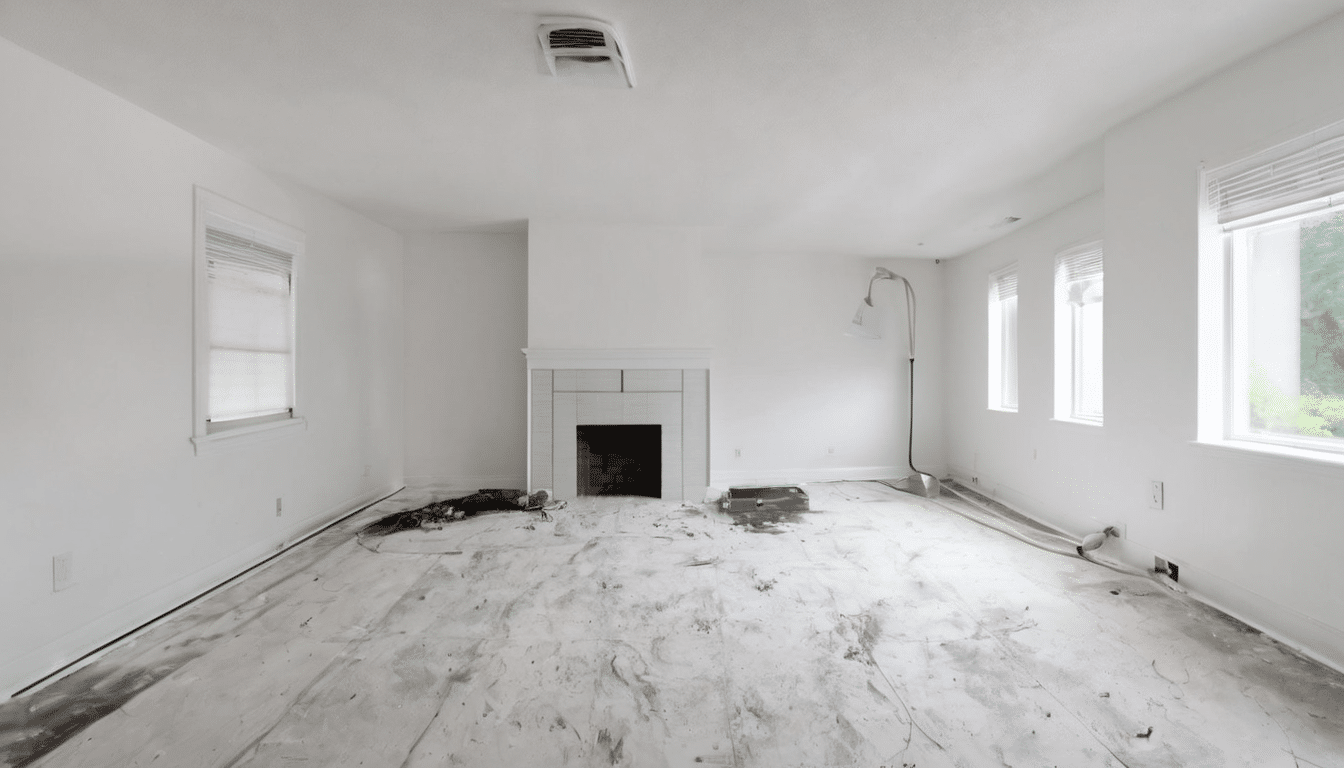
Understanding Post-duct Cleaning Mold Inspection: is essential. A post-duct cleaning mold inspection is not a formality — it is the scientific confirmation that cleaning has achieved what it promised. In Dubai’s climate, where ambient humidity regularly exceeds 70% and interior temperature differentials create persistent condensation inside ductwork, visual cleanliness is never sufficient evidence. Post-duct cleaning mold inspection measures what the eye cannot see: spore concentrations, surface contamination levels, and the microbiological condition of your HVAC system after servicing. Without this step, you are accepting a contractor’s word rather than laboratory data.
Many Dubai homeowners are surprised to learn that duct cleaning, even when performed by reputable companies, does not guarantee mold removal. Mechanical cleaning dislodges debris and removes dust accumulation, but biological contamination embedded in liner materials, coil surfaces, and drain pans requires a different approach entirely. Post-duct cleaning mold inspection answers the critical question: has the cleaning resolved the biological problem, or has it redistributed spores into the living space? This relates directly to Post-duct Cleaning Mold Inspection:.
This guide explains the post-duct cleaning mold inspection process from start to finish — what to expect on the day, how results are interpreted, and how inspection costs are structured for villas, apartments, and commercial properties across Dubai, Abu Dhabi, and the wider UAE. When considering Post-duct Cleaning Mold Inspection:, this becomes clear.
Post-duct Cleaning Mold Inspection: – Why Post-Duct Cleaning Mold Inspection Matters in Dubai
Dubai’s built environment creates conditions that few other cities in the world replicate. Outdoor air regularly reaches 44–46°C during summer months, while interior spaces are maintained at 21–24°C. That thermal differential — combined with humidity that arrives in dense coastal air from the Arabian Gulf — means that ductwork is a persistent condensation zone. According to field investigations conducted across residential properties in Jumeirah, Arabian Ranches, and Palm Jumeirah, more than 60% of systems showing no visible mold at the grille level carried elevated spore counts inside the duct network itself. The importance of Post-duct Cleaning Mold Inspection: is evident here.
This is why post-duct cleaning mold inspection is not optional in a UAE context. Duct cleaning physically removes debris. But biological contamination — fungal colonies growing on fibreglass liner, Cladosporium and Aspergillus species colonising drain pan sediment — survives mechanical cleaning unless antimicrobial treatment is applied and verified. The inspection confirms whether the biological baseline has genuinely shifted. Understanding Post-duct Cleaning Mold Inspection: helps with this aspect.
The Difference Between Visually Clean and Microbiologically Clear
As an IAC2 Certified Indoor Air Consultant with over 20 years of building diagnostics experience, I have investigated properties where freshly cleaned ductwork looked pristine under inspection camera but returned elevated spore counts at laboratory analysis. The reason is straightforward: spores are between 2 and 10 microns in diameter. They are invisible to the human eye and invisible to camera lenses. Only air sampling and surface testing reveal their true concentration. Post-duct Cleaning Mold Inspection: factors into this consideration.
Post-duct cleaning mold inspection establishes this distinction between visual and microbiological cleanliness — and in Dubai’s regulatory environment, that distinction matters for DHA mold clearance documentation and property handover reports. This relates directly to Post-duct Cleaning Mold Inspection:.
Post-duct Cleaning Mold Inspection: – What Happens During a Post-Duct Cleaning Mold Inspection
A properly structured post-duct cleaning mold inspection follows a defined sequence. Arriving without a protocol produces inconsistent results that cannot be used for comparison or compliance purposes. Here is what to expect when a certified inspector attends your Dubai property. When considering Post-duct Cleaning Mold Inspection:, this becomes clear.
Pre-Inspection System Assessment
Before any sampling begins, the inspector reviews the duct cleaning report from the servicing contractor. This identifies which sections were cleaned, what method was used (rotary brush, compressed air, or vacuum extraction), and whether any antimicrobial treatment was applied. This context shapes where sampling should be concentrated and which locations are at highest re-contamination risk. The importance of Post-duct Cleaning Mold Inspection: is evident here.
The inspector also checks HVAC system settings: airflow direction, thermostat differential, and drain pan condition. In Dubai apartments, particularly in older buildings in Deira and Bur Dubai, the drain pan is frequently the source of persistent biological contamination even after duct cleaning. Understanding Post-duct Cleaning Mold Inspection: helps with this aspect.
Air Sampling Across Key Zones
Air samples are collected using calibrated spore trap cassettes or impactor cassettes, depending on the laboratory protocol. Samples are taken from return air grilles, supply air registers, and the ambient room environment. An outdoor baseline sample is always collected — this is the reference point against which indoor concentrations are compared. In Dubai, outdoor baseline spore counts are typically lower than in humid coastal cities, which makes indoor elevations easier to identify. Post-duct Cleaning Mold Inspection: factors into this consideration.
Surface Sampling Inside Ductwork
Tape lift samples or swabs are taken from accessible duct surfaces — typically within 300–500 mm of grille openings and from the coil housing if accessible. These surface samples identify species present and confirm whether viable fungal growth remains after cleaning. Surface sampling is particularly important for Dubai villas with flexible duct runs, where fibreglass liner provides an ideal substrate for mold colonisation. This relates directly to Post-duct Cleaning Mold Inspection:.
Post-duct Cleaning Mold Inspection: – Testing Methods Used in Post-Duct Cleaning Mold Inspection
The post-duct cleaning mold inspection process uses several complementary analytical approaches. No single method provides a complete picture in isolation. When considering Post-duct Cleaning Mold Inspection:, this becomes clear.
Spore Trap Air Sampling
Spore trap cassettes capture airborne particles onto a glass slide at a calibrated flow rate, typically 15 litres per minute over a defined collection period. Laboratory analysis produces a count of total spores per cubic metre of air, broken down by genus. Results are compared against the outdoor baseline and against post-remediation clearance thresholds. For Dubai residential properties, Saniservice’s in-house microbiology laboratory — the UAE’s only such facility operated by an indoor environmental services company — provides same-week results for urgent clearance cases. The importance of Post-duct Cleaning Mold Inspection: is evident here.
Culture-Based Sampling
Culture samples grow collected organisms on agar plates, allowing identification to species level. This method takes longer (5–7 days for full colony development) but reveals whether viable, actively growing fungi are present. Species like Aspergillus flavus and Stachybotrys chartarum require culture identification that spore trap counting alone cannot confirm. For occupants with respiratory sensitivities or documented health concerns, culture-based sampling is the recommended approach. Understanding Post-duct Cleaning Mold Inspection: helps with this aspect.
ERMI and Settled Dust Analysis
In cases where post-duct cleaning mold inspection results are borderline or inconclusive, Environmental Relative Mouldiness Index (ERMI) analysis of settled dust from within the duct system provides a supplementary data point. ERMI quantifies 36 specific mold species associated with water-damaged buildings and produces a comparative index score. This method is particularly useful for luxury villa investigations in Emirates Hills or Jumeirah Golf Estates, where post-cleaning confirmation is required for real estate transactions or insurance documentation. Post-duct Cleaning Mold Inspection: factors into this consideration.
Post-Duct Cleaning Mold Inspection Costs in Dubai
Cost structure for post-duct cleaning mold inspection in Dubai reflects property size, number of samples required, and the laboratory analysis method chosen. The following ranges represent professional, certified inspection services inclusive of laboratory analysis and a formal written report. This relates directly to Post-duct Cleaning Mold Inspection:.
| Property Type | Approximate Size | Samples Required | Inspection Cost (AED) |
|---|---|---|---|
| Studio / 1-Bedroom Apartment | Up to 80 m² | 3–4 air samples + 1–2 surface | AED 900 – AED 1,500 |
| 2–3 Bedroom Apartment | 80–150 m² | 5–6 air samples + 2–3 surface | AED 1,400 – AED 2,200 |
| 3–4 Bedroom Villa | 200–350 m² | 7–10 air samples + 4–5 surface | AED 2,200 – AED 3,800 |
| Large Villa / Compound | 350 m² and above | 12+ air samples + 6+ surface | AED 3,500 – AED 6,000+ |
| Commercial / Office Space | Variable by zone | Zoned sampling plan | AED 2,500 – AED 8,000+ |
Factors That Affect Post-Duct Cleaning Mold Inspection Costs
Several variables influence the final investment in a post-duct cleaning mold inspection. System complexity is a primary driver: a Dubai villa with multiple independent fan coil units and long duct runs across two floors requires significantly more sampling points than a single-zone apartment system. HVAC accessibility also matters — concealed systems with limited access panels require more time on-site and occasionally specialist borescope equipment. When considering Post-duct Cleaning Mold Inspection:, this becomes clear.
Laboratory method selection affects cost meaningfully. Spore trap analysis is faster and less expensive. Culture-based analysis, ERMI testing, or mycotoxin screening add laboratory fees but provide a more comprehensive picture. For families with documented respiratory or allergy concerns, the additional laboratory investment is consistently justified by the depth of information it provides. The importance of Post-duct Cleaning Mold Inspection: is evident here.
Finally, turnaround time influences cost. Standard laboratory reports are typically returned within 5–7 working days. Expedited reports for property transactions or DHA clearance documentation are available within 24–48 hours at a premium. For Abu Dhabi and Sharjah properties, travel and mobilisation fees may apply depending on inspector location. Understanding Post-duct Cleaning Mold Inspection: helps with this aspect.
What the Inspection Cost Covers
A professional post-duct cleaning mold inspection should always include: on-site investigation time, calibrated air sampling equipment, laboratory analysis fees, and a formal written report with interpretation. Reports should reference the outdoor baseline, compare indoor concentrations against recognised clearance thresholds, and provide clear guidance on whether the property meets post-remediation standards. Any inspection that returns only raw numbers without contextual interpretation is incomplete. Post-duct Cleaning Mold Inspection: factors into this consideration.
Understanding What Your Results Mean
Post-duct cleaning mold inspection results are meaningful only when interpreted against a baseline. The question is not simply whether mold spores are present — spores are present in virtually all indoor environments. The question is whether concentrations are elevated relative to the outdoor baseline, and whether concerning species appear at levels inconsistent with normal background. This relates directly to Post-duct Cleaning Mold Inspection:.
Clearance Thresholds
There is no single universal threshold for post-remediation clearance. However, the principle applied consistently in professional practice is that indoor spore concentrations should not significantly exceed outdoor baseline concentrations, and that water-damage indicator species — Stachybotrys, Chaetomium, Trichoderma — should be absent or present at trace levels only. Where indoor counts exceed outdoor counts by a factor of two or more, or where concerning species appear in multiple samples, the cleaning is considered incomplete. When considering Post-duct Cleaning Mold Inspection:, this becomes clear.
Interpreting Species Diversity
Species diversity in post-cleaning results carries diagnostic significance. A result dominated by common environmental species (Cladosporium, Penicillium, Alternaria) at modest concentrations is typically consistent with successful cleaning. A result showing elevated Aspergillus counts alongside low-level Stachybotrys detection signals that biological contamination persists in the system — possibly in areas the cleaning protocol did not address, such as the coil surface or drain pan liner. The importance of Post-duct Cleaning Mold Inspection: is evident here.
When a Post-Duct Cleaning Mold Inspection Reveals Problems
A failed post-duct cleaning mold inspection is not a setback — it is precise diagnostic data. It tells you exactly where the cleaning protocol fell short and what additional intervention is required. Based on field investigations across Dubai residential and commercial properties, the most common reasons for failed clearance inspections are: incomplete coil cleaning, drain pan contamination that was not addressed, and fibreglass liner that has absorbed biological material beyond the reach of mechanical cleaning. Understanding Post-duct Cleaning Mold Inspection: helps with this aspect.
When a post-duct cleaning mold inspection returns elevated results, the protocol typically moves to targeted remediation: antimicrobial treatment of affected zones, possible liner replacement in contaminated flexible duct sections, and coil and drain pan cleaning under containment. A second post-duct cleaning mold inspection is conducted after remediation to confirm clearance before occupants are exposed to the treated system. Post-duct Cleaning Mold Inspection: factors into this consideration.
Choosing the Right Inspector for Post-Duct Cleaning Mold Inspection
Not every company offering duct cleaning or mold inspection in Dubai conducts post-duct cleaning mold inspection to a standard that produces defensible, laboratory-confirmed results. When evaluating a provider, these are the qualifications and capabilities that distinguish a certified scientific service from a basic visual check. This relates directly to Post-duct Cleaning Mold Inspection:.
- IAC2 certification or equivalent international indoor air quality credential
- In-house or accredited third-party laboratory for air and surface sample analysis
- Calibrated air sampling equipment with documented flow rate verification
- Written report with outdoor baseline comparison and clearance recommendation
- Independence from the cleaning contractor — the inspector should have no financial interest in the outcome
This last point carries particular weight. A post-duct cleaning mold inspection conducted by the same company that performed the cleaning creates an obvious conflict of interest. Independent inspection is the standard in professionally managed markets, and Dubai homeowners should insist on it.
Expert Tips for Dubai Homeowners
Based on more than two decades of HVAC mold investigations across Dubai, Abu Dhabi, Sharjah, and Ajman, these are the practical recommendations I consistently give to homeowners preparing for or following a post-duct cleaning mold inspection.
- Schedule the inspection 24–48 hours after cleaning — not immediately. This allows any disturbed spores to settle and gives air sampling results that reflect the system’s true operating condition.
- Run the HVAC system normally before sampling — the system should be operating under standard conditions for at least 30 minutes before air samples are collected.
- Request species-level identification, not just total spore counts, especially if occupants have respiratory conditions.
- Keep the duct cleaning report for the inspector — the cleaning methodology directly informs where biological risk is most likely to persist.
- Consider seasonal timing — in Dubai, inspections conducted during April through October, when humidity is highest and systems run continuously, capture the worst-case operating scenario and produce the most meaningful data.
- Ask for your report in writing with laboratory chain-of-custody documentation — this is required for any DHA mold clearance certificate application or insurance claim.
Frequently Asked Questions
How soon after duct cleaning should I schedule a post-duct cleaning mold inspection?
Allow 24–48 hours between the duct cleaning and the post-duct cleaning mold inspection. This ensures that any spores disturbed during cleaning have settled, and that air sampling reflects the system’s true operating condition rather than the immediate aftermath of mechanical agitation. The HVAC system should run normally for at least 30 minutes before sampling begins.
Does duct cleaning always remove mold from Dubai AC systems?
No. Duct cleaning removes physical debris and dust accumulation, but biological contamination embedded in fibreglass liner, coil surfaces, and drain pan sediment survives mechanical cleaning unless targeted antimicrobial treatment is applied. Post-duct cleaning mold inspection determines whether biological contamination has been resolved or whether additional remediation is required.
How much does a post-duct cleaning mold inspection cost in Dubai?
In Dubai, post-duct cleaning mold inspection costs typically range from AED 900 for small apartments to AED 6,000 or more for large villas or commercial properties. The cost reflects property size, number of samples required, laboratory analysis method chosen, and turnaround time. Expedited reports for property transactions or DHA clearance documentation carry an additional fee.
What happens if my post-duct cleaning mold inspection fails clearance?
A failed inspection identifies precisely where biological contamination persists. Targeted remediation — coil cleaning, drain pan treatment, or fibreglass liner replacement — is then performed under containment. A second post-duct cleaning mold inspection follows to confirm the system meets clearance thresholds before the property is reoccupied or the HVAC system returns to normal operation.
Is a post-duct cleaning mold inspection required for DHA mold clearance in Dubai?
For formal DHA mold clearance certificates, laboratory-confirmed air and surface sampling results are required as supporting documentation. A post-duct cleaning mold inspection that follows certified protocols, uses accredited laboratory analysis, and produces a written report with outdoor baseline comparison provides the data required for clearance certification in Dubai and across the UAE.
Can I trust the duct cleaning company to conduct their own post-cleaning mold inspection?
Independence is critical. A post-duct cleaning mold inspection conducted by the same company that performed the cleaning creates a conflict of interest that compromises result integrity. Certified inspection providers with no financial relationship to the cleaning contractor should conduct the assessment. In Dubai, this separation is standard practice in professionally managed properties and is increasingly expected by property managers and real estate professionals.
Which Dubai property types are at highest risk of failing a post-duct cleaning mold inspection?
Older apartments in Deira and Bur Dubai with ageing fan coil units, and large villas with extended flexible duct runs in communities such as Arabian Ranches, Mirdif, and The Springs, show the highest rates of persistent biological contamination after cleaning. Properties with a history of water leaks near air handling units or with original fibreglass duct liner are at elevated risk of requiring additional remediation before clearing inspection.
A post-duct cleaning mold inspection is where the science begins — not where it ends. The inspection converts a service transaction into verifiable evidence. In Dubai’s climate, where HVAC systems operate year-round under demanding thermal and humidity conditions, that evidence is the only reliable basis for confidence in your indoor environment. When you see a laboratory report with a confirmed clearance result, you are not simply trusting a contractor’s work — you are reading what the biology of your building has confirmed. Understanding Post-duct Cleaning Mold Inspection: is key to success in this area.