
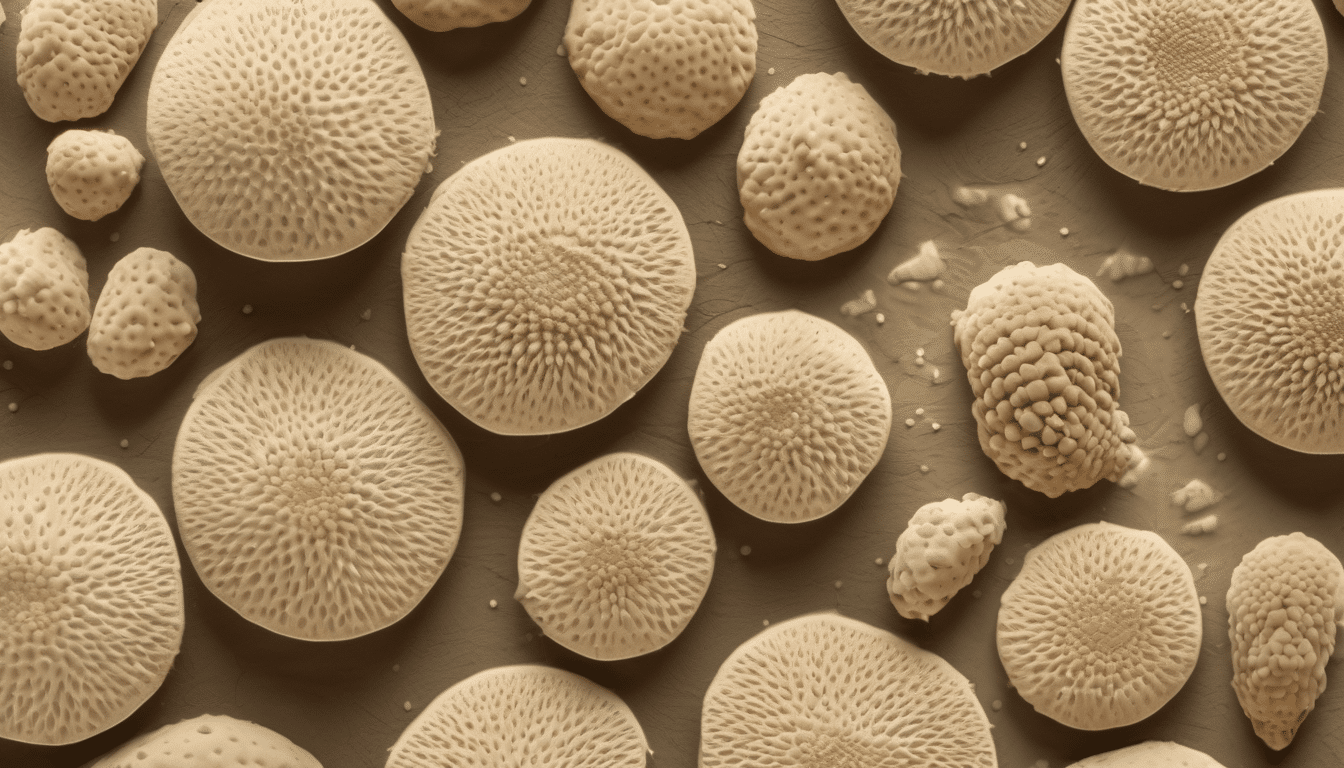
Understanding Mycotoxin Testing: When Mold Spores Are Not Enough is essential. You have had the mold inspected. You have seen the spore count results. The numbers look manageable, perhaps even reassuring — and yet something still feels wrong indoors. Occupants report headaches, fatigue, or persistent respiratory irritation that no standard test has explained. This is precisely the situation where mycotoxin testing, the step beyond spore sampling, becomes the most important diagnostic tool available.
Mycotoxin testing when mold spores are not enough is not a niche concern for unusual cases. In Dubai’s climate — where humidity, sealed building envelopes, and year-round air conditioning create conditions that favour mold metabolism — it is a logical and often necessary extension of any thorough indoor environmental investigation. The question is not whether mold has been present. The question is what that mold has already left behind. This relates directly to Mycotoxin Testing: When Mold Spores Are Not Enough.
As an IAC2 Certified Indoor Air Consultant with over 20 years of building science and microbiology experience, I have investigated hundreds of properties in the UAE where spore counts were within acceptable ranges, yet laboratory analysis revealed significant mycotoxin contamination on surfaces, in dust, and within HVAC systems. Those cases changed how I approach every mold investigation today. When considering Mycotoxin Testing: When Mold Spores Are Not Enough, this becomes clear.
Mycotoxin Testing: When Mold Spores Are Not Enough – What Mycotoxins Are and Why Spore Counts Miss Them
Mold spores are the reproductive units of fungal organisms. Air sampling and surface sampling detect their presence and concentration. These results are genuinely useful — they identify species, estimate contamination load, and guide remediation decisions. However, spore counts have a fundamental limitation: they measure the organism, not its output. The importance of Mycotoxin Testing: When Mold Spores Are Not Enough is evident here.
Mycotoxins are secondary metabolites produced by certain mold species as a biological response to environmental stress, competition, or nutrient availability. Trichothecenes, aflatoxins, ochratoxin A, and gliotoxin are among the compounds most commonly identified in indoor environments. These are chemical compounds — not living organisms — and they do not behave like spores. Understanding Mycotoxin Testing: When Mold Spores Are Not Enough helps with this aspect.
The Persistence Problem
Mycotoxins bind to surfaces, settle into dust particles, and accumulate within porous building materials. Once deposited, they can remain biologically active for months or years, even after visible mold has been remediated and spore counts return to normal. Standard spore trap sampling cannot detect them because they are not spores. This is the core diagnostic gap that mycotoxin testing when mold spores are not enough is designed to address. Mycotoxin Testing: When Mold Spores Are Not Enough factors into this consideration.
The implications for indoor health are significant. Occupant exposure can continue through inhalation of mycotoxin-laden dust, dermal contact with contaminated surfaces, or secondary aerosolisation from disturbed materials — all in a space that a spore count report might classify as acceptable. This relates directly to Mycotoxin Testing: When Mold Spores Are Not Enough.
Mycotoxin Testing: When Mold Spores Are Not Enough – When Mycotoxin Testing Becomes the Right Next Step
Not every mold investigation requires mycotoxin analysis. The decision to move beyond standard spore sampling is guided by specific clinical and environmental indicators that experienced investigators recognise during assessment. When considering Mycotoxin Testing: When Mold Spores Are Not Enough, this becomes clear.
Persistent Occupant Symptoms Without a Clear Spore-Based Explanation
When occupants report symptoms — fatigue, cognitive difficulty, mucous membrane irritation, immune suppression — that correlate with time spent indoors but standard air sampling returns unremarkable results, mycotoxin testing provides the next layer of evidence. Symptoms that resolve when occupants leave the building and return when they re-enter are a particular signal worth investigating further. The importance of Mycotoxin Testing: When Mold Spores Are Not Enough is evident here.
Post-Remediation Environments That Still Feel Wrong
Remediation removes mold growth. It does not automatically remove mycotoxins that have already been deposited throughout the space. Mycotoxin testing when mold spores are not enough is frequently indicated in post-remediation assessments where occupants continue to report discomfort despite clearance testing confirming acceptable spore levels. In these situations, mycotoxin residue on surfaces or within settled dust is a documented and recurring finding in field investigations. Understanding Mycotoxin Testing: When Mold Spores Are Not Enough helps with this aspect.
High-Risk Species Identified During Standard Sampling
Certain mold genera are known mycotoxin producers. Stachybotrys chartarum, Aspergillus niger, Aspergillus flavus, Penicillium species, and Fusarium species are among those most frequently associated with significant mycotoxin output. When standard sampling identifies elevated counts of these organisms, mycotoxin testing is a logical and proportionate diagnostic extension — not an overcautious reaction. Mycotoxin Testing: When Mold Spores Are Not Enough factors into this consideration.
Mycotoxin Testing: When Mold Spores Are Not Enough – How Mycotoxin Testing Is Conducted in UAE Properties
Mycotoxin testing methodology varies, and the choice of sampling approach affects the reliability and interpretability of results. Understanding what each method captures is essential for making informed decisions about your indoor environment. This relates directly to Mycotoxin Testing: When Mold Spores Are Not Enough.
ERMI-Based Dust Sampling
The Environmental Relative Mouldinessindex (ERMI) framework, developed by the United States Environmental Protection Agency, uses settled dust as the sampling medium. Dust is a long-term reservoir of mycotoxins and fungal DNA. Sampling settled dust from horizontal surfaces — floors, ledges, and HVAC return vents — provides a time-integrated picture of contamination that a single air sample cannot replicate. When considering Mycotoxin Testing: When Mold Spores Are Not Enough, this becomes clear.
For Dubai properties, settled dust sampling is particularly revealing because air conditioning systems continuously recirculate air across deposited dust. The HVAC system becomes both a detection point and a distribution mechanism for mycotoxin-laden particles throughout the building. The importance of Mycotoxin Testing: When Mold Spores Are Not Enough is evident here.
Surface Wipe Sampling for Mycotoxins
Wipe sampling collects mycotoxins directly from specific surfaces using laboratory-validated protocols. This method is useful for identifying contamination hotspots, verifying remediation effectiveness, and assessing exposure risk in targeted areas such as children’s bedrooms, sleeping areas, or spaces where sensitive occupants spend significant time. Understanding Mycotoxin Testing: When Mold Spores Are Not Enough helps with this aspect.
Laboratory Analysis Methods
Laboratory analysis of mycotoxins typically employs liquid chromatography-mass spectrometry (LC-MS/MS), enzyme-linked immunosorbent assay (ELISA), or lateral flow immunoassay techniques. Each offers different sensitivity thresholds and compound coverage. The indoor sciences laboratory at Saniservice’s Al Quoz facility processes mycotoxin samples using validated methods that align with international reference standards, providing results that are both precise and contextually interpretable for UAE building conditions. Mycotoxin Testing: When Mold Spores Are Not Enough factors into this consideration.
Interpreting Mycotoxin Test Results
A mycotoxin result is a concentration figure — typically expressed in nanograms per gram of dust, nanograms per square metre of surface area, or similar units depending on sampling method. Interpreting these figures requires contextual knowledge of reference ranges, sampling conditions, and occupant exposure patterns. This relates directly to Mycotoxin Testing: When Mold Spores Are Not Enough.
There are no universally mandated regulatory thresholds for indoor mycotoxin concentrations equivalent to, for example, occupational exposure limits for specific chemicals. Interpretation draws on published research, clinical frameworks, and the specific compounds detected. Trichothecenes are evaluated differently from ochratoxin A; a result significant for a child with a respiratory condition carries different weight than the same result in a low-occupancy storage space. When considering Mycotoxin Testing: When Mold Spores Are Not Enough, this becomes clear.
Results in Context
Mycotoxin testing when mold spores are not enough provides its greatest value when results are interpreted alongside spore sampling data, building moisture assessments, HVAC diagnostics, and occupant symptom histories. A single mycotoxin figure in isolation is less useful than the same figure positioned within a complete environmental picture. This is why investigation sequencing matters, and why mycotoxin analysis should be preceded by a thorough building assessment rather than ordered as a standalone test. The importance of Mycotoxin Testing: When Mold Spores Are Not Enough is evident here.
Mycotoxin Risk in Dubai’s Building Environment
Dubai’s built environment creates specific conditions that elevate the relevance of mycotoxin testing. High ambient humidity — particularly during the summer months when outdoor air approaches 90% relative humidity — places chronic moisture pressure on building envelopes. When HVAC systems cycle down at night, internal surfaces in poorly insulated wall assemblies can experience condensation that sustains mold metabolism even in spaces that appear clean and dry. Understanding Mycotoxin Testing: When Mold Spores Are Not Enough helps with this aspect.
Luxury villas in communities such as Arabian Ranches, Jumeirah Golf Estates, and Al Furjan, as well as high-rise apartments in Dubai Marina and Business Bay, commonly share a structural pattern: sealed facades, centralised HVAC, and limited natural ventilation. These characteristics mean that any mycotoxin produced within the building envelope recirculates through the same conditioned air that occupants breathe continuously.
Mycotoxin testing when mold spores are not enough is therefore not a precautionary luxury in the UAE context. It is a proportionate response to the specific hygrothermal and building science conditions that define indoor environments across the Emirates.
What Mycotoxin Testing Cannot Tell You
Honest diagnostics require acknowledging the boundaries of any test. Mycotoxin analysis identifies the presence and concentration of specific compounds. It does not identify the precise location of active mold growth, the moisture source sustaining that growth, or the remediation scope required to resolve the underlying problem. Those answers require building envelope analysis, thermal imaging, borescope inspection, and moisture mapping conducted by a qualified building scientist.
Mycotoxin testing when mold spores are not enough is most powerful as part of a layered investigation, not as a replacement for it. The test answers the question: “Have mycotoxins accumulated here, and at what level?” The broader investigation answers the question: “Why, and what needs to change?”
Expert Recommendations for Homeowners and Property Managers
- Do not wait for visible mold before requesting mycotoxin assessment. Settled dust can carry significant mycotoxin loads from historical contamination that has already been cleaned but not fully resolved.
- Prioritise HVAC duct and return air plenum sampling alongside surface wipe testing. In fully air-conditioned UAE properties, the HVAC system is the primary distribution pathway for mycotoxin-laden particles.
- Request species-level identification from standard spore sampling before ordering mycotoxin analysis. Knowing which genera are present helps focus the mycotoxin panel on the compounds most likely to be present.
- For post-remediation verification, always include mycotoxin surface sampling alongside standard spore clearance testing. Clearance of spores does not confirm clearance of mycotoxins.
- Ensure that any laboratory processing mycotoxin samples operates with validated analytical methods and can provide full chain-of-custody documentation for results.
The 800molds Approach to Mycotoxin Investigation
At 800molds.com, mycotoxin testing when mold spores are not enough is integrated into the broader Architectural-Microbiological Investigation Protocol developed by the Indoor Sciences Division. This protocol combines building envelope analysis, HVAC diagnostics, hygrothermal failure detection, and laboratory-confirmed testing into a single, sequenced investigation framework.
The in-house microbiology laboratory operated by Saniservice in Al Quoz — the only facility of its kind operated by an indoor environmental services company in the UAE — processes both spore-based and mycotoxin samples, enabling faster turnaround, direct result interpretation by the investigating scientist, and precise alignment between field findings and laboratory data. This integration eliminates the interpretive gaps that arise when field assessment and laboratory analysis are handled by separate, disconnected providers.
When a Dubai property investigation reveals that spore counts alone do not explain occupant experience or environmental data, mycotoxin testing is not an upsell. It is the next logical step in a science-first investigation.
Frequently Asked Questions
What is the difference between mold spore testing and mycotoxin testing?
Mold spore testing identifies and counts fungal spores in air or on surfaces, indicating which mold species are present and at what concentration. Mycotoxin testing identifies the chemical compounds certain mold species produce. Spores can be removed while mycotoxins remain deposited on surfaces and in dust, which is why mycotoxin testing is often necessary when spore counts appear acceptable but occupant symptoms persist.
When should a Dubai homeowner request mycotoxin testing?
Mycotoxin testing is appropriate when occupants report persistent health symptoms that correlate with time spent indoors, when standard spore sampling identifies known mycotoxin-producing species such as Stachybotrys or Aspergillus, after mold remediation where symptoms continue despite acceptable spore clearance results, and in properties with a documented history of water intrusion or HVAC moisture problems.
Can mycotoxins remain after mold remediation is complete?
Yes. Remediation removes mold growth, but mycotoxins that have already been deposited on surfaces, in dust, and within porous materials can persist for months or years after remediation. This is one of the most commonly overlooked issues in post-remediation environments. Mycotoxin surface wipe sampling and settled dust analysis should be included in any thorough post-remediation verification protocol.
How are mycotoxin samples collected in a home or apartment?
Samples are collected using sterile wipe kits for specific surface areas, or settled dust is gathered from floors, horizontal ledges, and HVAC vents using validated sampling media. Samples are then processed in a laboratory using methods such as LC-MS/MS or ELISA, which identify specific mycotoxin compounds and their concentrations. Chain-of-custody documentation is maintained throughout the process.
Is mycotoxin testing available in Abu Dhabi and Sharjah, not just Dubai?
Yes. The 800molds Indoor Sciences investigation service covers properties across the UAE, including Abu Dhabi, Sharjah, Ajman, Ras Al Khaimah, Umm Al Quwain, and Fujairah. Laboratory processing for mycotoxin samples is handled through the Saniservice in-house microbiology facility in Al Quoz, Dubai, with field investigation teams available across all Emirates.
Does a low mold spore count mean mycotoxins are not present?
No. A low spore count does not confirm the absence of mycotoxins. Mold can produce mycotoxins at relatively low colony densities, particularly when under environmental stress. Additionally, remediation or natural spore die-off can reduce airborne counts while mycotoxin residues remain deposited throughout the space. The two measurements address different questions and must not be used as substitutes for one another.
How long does mycotoxin testing take, and when will I receive results?
Sample collection at the property typically takes between one and three hours depending on property size and the number of sampling locations required. Laboratory analysis turnaround varies by method and compound panel, but results are generally available within five to ten working days. A qualified indoor environmental consultant reviews findings and provides a written interpretive report alongside the raw laboratory data.
Conclusion
The science of indoor environmental health has progressed well beyond what spore counts alone can answer. Mycotoxin testing when mold spores are not enough represents a critical diagnostic layer that addresses the chemical legacy of mold activity — the compounds that remain present, bioactive, and potentially significant long after the visible signs of contamination have been addressed.
For homeowners, property managers, and facility operators across Dubai, Abu Dhabi, Sharjah, and the wider UAE, the decision to include mycotoxin analysis in a mold investigation is not about escalating concern. It is about measuring what matters and making remediation and health decisions on verified evidence rather than incomplete data.
Mycotoxin testing when mold spores are not enough is available through the 800molds Indoor Sciences Division. If your property has a history of mold, unexplained occupant symptoms, or post-remediation concerns that standard testing has not resolved, contact the team for a property-specific assessment and to discuss which sampling approach is appropriate for your situation. Understanding Mycotoxin Testing: When Mold Spores Are Not Enough is key to success in this area.