
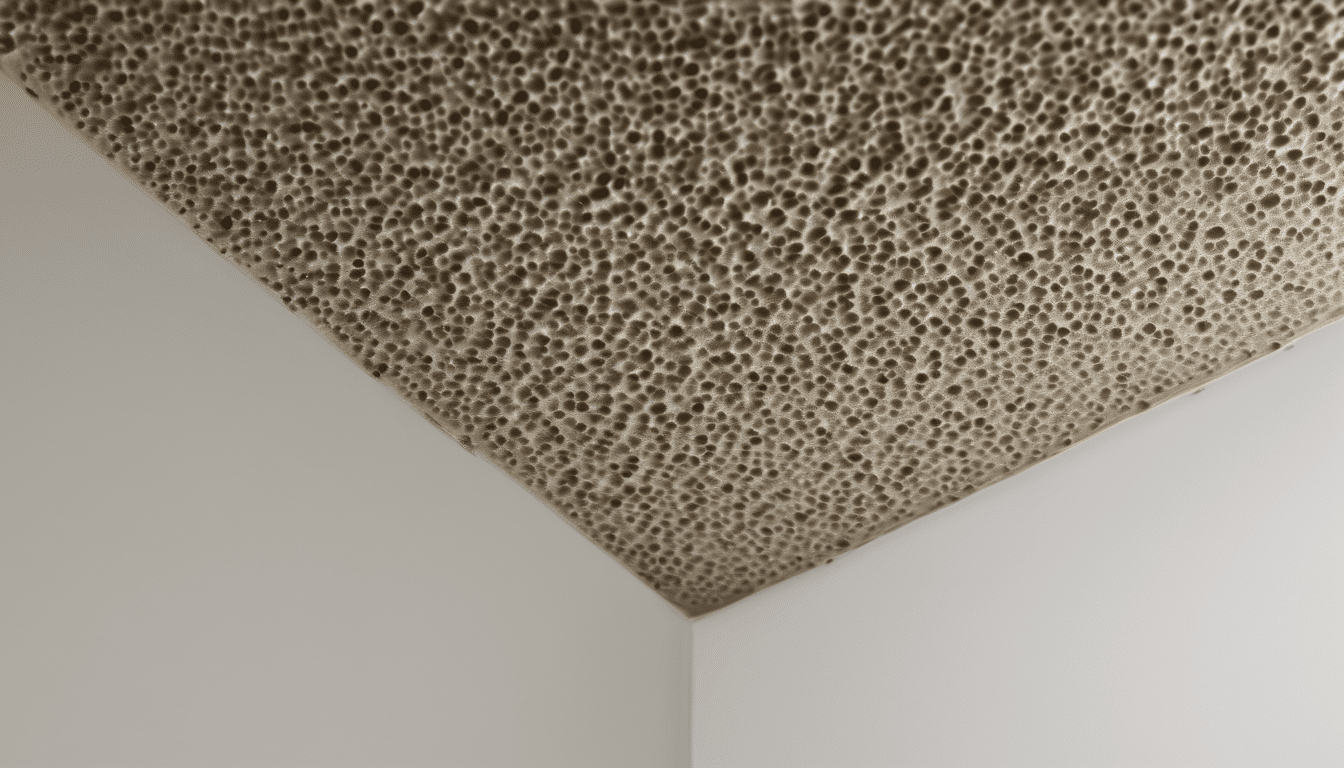
Understanding Mycotoxin Testing: When Mould Becomes a Health Risk is essential. Mycotoxin testing is not the first step every mould investigation requires — but it is the step that matters most when occupant health is already showing signs of impact. In Dubai’s climate, where humidity levels regularly exceed 80% during summer months and condensation within air-conditioning systems is a known driver of indoor fungal growth, the question of when mould becomes a health risk is one that field investigations surface repeatedly. The answer is rarely visible to the naked eye.
Mycotoxins are secondary metabolites produced by specific mould species under conditions of environmental stress. They are not the spores themselves — they are chemical compounds that can persist on surfaces, settle into building materials, and circulate through HVAC systems long after the visible mould colony has been treated. Standard mould inspection protocols do not automatically include mycotoxin testing, which means that without targeted assessment, a contaminated environment can return a misleading all-clear. This relates directly to Mycotoxin Testing: When Mould Becomes a Health Risk.
As an IAC2 Certified Indoor Air Consultant with more than 20 years of field and laboratory experience across UAE properties, I have observed that the gap between “mould is present” and “mycotoxins are present” is where misdiagnosis most commonly occurs. This article identifies eight specific situations in which mycotoxin testing should be considered a clinical and environmental priority — not a precaution, but a diagnostic necessity. When considering Mycotoxin Testing: When Mould Becomes a Health Risk, this becomes clear.
Mycotoxin Testing: When Mould Becomes a Health Risk – 1. Mycotoxin Testing Is Warranted When Occupants Report Pers
When residents of a Dubai villa or apartment report symptoms that do not resolve with standard medical treatment — chronic fatigue, recurring respiratory irritation, headaches, cognitive fog, or skin reactions — and no clear clinical cause has been identified, the indoor environment deserves systematic evaluation. Mycotoxin exposure does not produce a single recognisable syndrome, which is precisely what makes it difficult to diagnose from a medical consultation alone. The importance of Mycotoxin Testing: When Mould Becomes a Health Risk is evident here.
Mycotoxin testing becomes the bridge between occupant symptoms and environmental evidence. Trichothecenes, aflatoxins, ochratoxin A, and gliotoxin are among the compounds that, when detected at elevated concentrations in air or surface samples, provide a plausible environmental explanation for symptom profiles that otherwise appear idiopathic. The correlation is not always definitive — but it is often the most actionable finding available to occupants who have been searching for answers for months. Understanding Mycotoxin Testing: When Mould Becomes a Health Risk helps with this aspect.
What Field Investigations Typically Reveal
In cases investigated through the Saniservice Indoor Sciences Division, symptomatic occupants frequently share a pattern: mould has been identified and treated previously, but symptoms persisted after remediation. Laboratory re-analysis in these cases commonly reveals either mycotoxin residue on porous materials that survived cleaning, or an ongoing moisture source sustaining secondary fungal activity not visible during the initial inspection. Mycotoxin testing confirms what spore counts alone cannot. Mycotoxin Testing: When Mould Becomes a Health Risk factors into this consideration.
Mycotoxin Testing: When Mould Becomes a Health Risk – 2. Mould Testing Should Include Mycotoxins When Black or Dar
Colour alone does not confirm species identity — but the appearance of black or dark green mould growth, particularly on drywall, ceiling tiles, or within HVAC ducts, is a valid clinical trigger for mycotoxin testing. Stachybotrys chartarum, colloquially referred to as black mould, is a confirmed satratoxin producer under conditions of sustained water saturation. Aspergillus niger and certain Chaetomium species also produce compounds classified as mycotoxins. This relates directly to Mycotoxin Testing: When Mould Becomes a Health Risk.
The critical point is that species identification from a visual inspection is unreliable. A dark-coloured colony could be Cladosporium, which produces no recognised mycotoxins, or it could be Stachybotrys, which does. Only laboratory analysis — involving direct surface sampling, ERMI testing, or air sampling with mycotoxin-specific assay — can resolve the distinction. Mycotoxin testing of this category of mould is not precautionary: it is diagnostically sound. When considering Mycotoxin Testing: When Mould Becomes a Health Risk, this becomes clear.
Mycotoxin Testing: When Mould Becomes a Health Risk – 3. When Mould Becomes a Health Risk After Water Damage Event
Water intrusion events — whether from a pipe burst, a failed waterproofing membrane on a balcony, or HVAC condensate overflow — create the environmental conditions that mycotoxigenic species specifically require. Sustained moisture on cellulose-containing materials (gypsum board backing, timber framing, MDF cabinetry) combined with low air exchange rates produces the substrate conditions associated with Stachybotrys colonisation. The importance of Mycotoxin Testing: When Mould Becomes a Health Risk is evident here.
Mycotoxin testing following water damage should be considered standard practice when remediation is delayed beyond 48–72 hours, or when the affected cavity is enclosed (inside walls, beneath flooring, within ceiling voids). In these scenarios, mould growth proceeds unseen, and mycotoxin accumulation in settled dust and porous materials can reach concentrations that pose inhalation risk during subsequent demolition or disturbance — even after the water source is resolved. Understanding Mycotoxin Testing: When Mould Becomes a Health Risk helps with this aspect.
The Timeline Problem in UAE Properties
In high-rise residential buildings across Dubai, Sharjah, and Abu Dhabi, water damage from upper-floor plumbing failures is a recurring scenario. Reports from field investigations consistently show that by the time remediation is authorised by building management, concealed fungal growth has been active for weeks. Under these conditions, mycotoxin testing of settled dust in affected rooms provides critical data before any disturbance work begins, protecting both occupants and remediation teams from unquantified exposure. Mycotoxin Testing: When Mould Becomes a Health Risk factors into this consideration.
4. Mycotoxin Testing Reveals Health Risks Hidden Within HVAC Systems
Air-conditioning systems in the UAE operate year-round under conditions — high humidity intake, cool coil surfaces, intermittent operation cycles — that favour fungal colonisation at the evaporator coil, drip tray, and internal ductwork. When a colonised HVAC system distributes conditioned air through a property, it carries biological material into every occupied room. This relates directly to Mycotoxin Testing: When Mould Becomes a Health Risk.
Standard HVAC inspections identify visible mould or elevated spore counts in supply air. Mycotoxin testing adds a dimension that spore counts cannot: it detects the presence of mycotoxin-laden particles in duct dust and air samples, independent of whether live or active mould colonies are present at the time of sampling. Dead mould cells and fragmented hyphae retain mycotoxin content. This is a frequently overlooked pathway in properties where HVAC cleaning has been performed but occupant symptoms persist. When considering Mycotoxin Testing: When Mould Becomes a Health Risk, this becomes clear.
5. When Mould Becomes a Health Risk for Immunocompromised Occupants
Risk thresholds for mycotoxin exposure are not uniform across a household. Infants, elderly residents, individuals undergoing immunosuppressive therapy, and occupants with pre-existing respiratory conditions are physiologically more susceptible to the effects of mycotoxin inhalation and dermal contact. In these cases, mycotoxin testing should be initiated at lower trigger thresholds than would apply to a general-occupancy environment. The importance of Mycotoxin Testing: When Mould Becomes a Health Risk is evident here.
This is not an argument for fear-based decision-making. It is a scientific acknowledgement that exposure standards developed for healthy adults do not automatically translate to vulnerable populations. Professional mycotoxin assessment in households with immunocompromised occupants ensures that any contamination is characterised before it becomes clinically significant, rather than after symptoms escalate to a point requiring medical intervention. Understanding Mycotoxin Testing: When Mould Becomes a Health Risk helps with this aspect.
6. Mycotoxin Testing Is Indicated When Mould Recurs After Remediation
Recurrent mould growth following professional remediation is one of the clearest indicators that the root cause — an active moisture source, a building envelope failure, or an HVAC system deficiency — has not been fully resolved. But recurrence also raises a secondary question: have mycotoxins accumulated in the building fabric during repeated colonisation cycles? Mycotoxin Testing: When Mould Becomes a Health Risk factors into this consideration.
ERMI testing (Environmental Relative Mouldiness Index), conducted on settled dust samples collected from the affected property, provides a comparative index of historical fungal activity that spore trap air sampling does not capture. When ERMI scores are elevated alongside confirmed recurrence, mycotoxin-specific assay of dust and surface samples is the logical next step. This combination of data — spore history plus mycotoxin presence — defines both the remediation scope and the reconstruction specification needed to prevent a third episode. This relates directly to Mycotoxin Testing: When Mould Becomes a Health Risk.
Post-Remediation Verification and Mycotoxins
At 800molds.com, post-remediation verification protocols are designed to confirm not only that visible mould has been removed but that the mycotoxin load in the environment has returned to background levels. A clearance certificate issued without mycotoxin data in a case history involving water damage, black mould, or symptomatic occupants is an incomplete document. This is a standard that professional remediation should be held to, regardless of how thorough the physical removal appeared. When considering Mycotoxin Testing: When Mould Becomes a Health Risk, this becomes clear.
7. When Mould Is Found in Schools, Nurseries, or Healthcare Settings
The duty-of-care obligation in occupational and educational settings introduces a different standard for mycotoxin testing trigger points. Dubai Municipality and UAE health authority guidelines for public-use facilities set air quality expectations that require proactive rather than reactive environmental monitoring. When mould is identified in a nursery, classroom, clinic, or hospital ward, mycotoxin testing is not optional — it is the minimum standard of responsible assessment. The importance of Mycotoxin Testing: When Mould Becomes a Health Risk is evident here.
Children’s developing immune and neurological systems interact with mycotoxin exposure differently from adult physiology. Field investigations in UAE educational facilities have identified Aspergillus species — including confirmed ochratoxin-producing strains — in poorly ventilated storage rooms and behind display boards fixed to exterior walls subject to condensation. In these environments, even low-level contamination warrants full characterisation before any decision about occupancy or remediation scope is made. Understanding Mycotoxin Testing: When Mould Becomes a Health Risk helps with this aspect.
8. Mycotoxin Testing Confirms Health Risk Before Major Renovation or Demolition
Renovation and demolition activities are among the highest-risk scenarios for mycotoxin exposure. When walls are opened, ceilings removed, or flooring lifted in a property with a history of water damage or concealed mould, settled dust containing mycotoxin-laden particles is disturbed and becomes airborne at concentrations far exceeding ambient levels. Without pre-disturbance mycotoxin testing, the exposure risk to both occupants and workers cannot be quantified. Mycotoxin Testing: When Mould Becomes a Health Risk factors into this consideration.
Mycotoxin testing prior to renovation defines whether the project requires full containment protocols, negative pressure engineering controls, and personal protective equipment specified for mycotoxin-contaminated environments. This is a cost-justified step: the scope of containment installation, HEPA filtration, and decontamination procedures scales directly with the confirmed contamination level. Undifferentiated renovation without pre-disturbance sampling either over-specifies controls unnecessarily or, more commonly, under-specifies them at significant health cost.
Expert Takeaways for Dubai and UAE Property Owners
- Mycotoxin testing and standard mould spore counting measure different things. One reflects current airborne fungal load; the other reveals chemical contamination that persists after active growth has ceased.
- Porous materials — particularly gypsum board, timber, and textile furnishings — can retain mycotoxins after mould colonies are visibly removed. Testing of these materials after remediation is the only reliable way to confirm clearance.
- The UAE climate creates conditions that mycotoxigenic species exploit reliably: warm substrate temperatures, episodic high humidity, and condensation within HVAC systems. These are structural risk factors, not isolated incidents.
- Mycotoxin testing results should be interpreted by a qualified indoor environmental professional. Raw ELISA assay data or ERMI scores require contextualisation against building-specific factors and occupant profiles to be actionable.
- A property-specific assessment determines the appropriate testing methodology, sample type, and laboratory protocol. Variables include building age, occupancy pattern, symptom history, and prior remediation records.
Conclusion
Mycotoxin testing is not a precaution reserved for extreme cases. It is the diagnostic layer that distinguishes between mould as a cosmetic concern and mould as a genuine health risk — a distinction that matters profoundly for the families and occupants who live and work inside these buildings. Across Dubai, Abu Dhabi, Sharjah, and the broader UAE, the environmental conditions that produce mycotoxigenic mould growth are both predictable and well-documented in field investigation records.
The eight indicators described in this article — from symptomatic occupants to pre-renovation disturbance risk — represent the evidence-based threshold at which mycotoxin testing transitions from optional to necessary. When mould becomes a health risk, standard spore counts are not sufficient. Laboratory-confirmed mycotoxin data, interpreted within the context of a full building investigation, is the standard that occupant health deserves.
If any of the scenarios described here reflect conditions in your property, the appropriate next step is a professional indoor environmental assessment. Contact the 800molds.com team for a property-specific evaluation that includes laboratory-supported mycotoxin testing where indicated.
Frequently Asked Questions
What is mycotoxin testing and how does it differ from standard mould testing?
Standard mould testing measures airborne spore counts or identifies fungal species present in a sample. Mycotoxin testing detects chemical compounds produced by specific mould species — compounds that can persist on surfaces and in dust even after active mould growth is removed. Both types of analysis provide different diagnostic information and are often used together for a complete assessment.
When should I request mycotoxin testing for my Dubai home?
Mycotoxin testing is warranted in Dubai homes when occupants experience persistent unexplained symptoms, when black or dark-coloured mould is present, following water damage events, when mould recurs after remediation, or before major renovation work in a property with a history of moisture problems. Dubai’s humid climate makes these scenarios more common than in temperate regions.
Can mycotoxins remain after mould has been cleaned?
Yes. Mycotoxins are chemical compounds, not living organisms. Standard mould cleaning removes fungal biomass but does not necessarily neutralise or remove mycotoxins embedded in porous materials such as gypsum board, timber, or soft furnishings. Post-remediation mycotoxin testing of settled dust and affected surfaces is the only method to confirm that contamination has been adequately resolved.
How are mycotoxins tested in a UAE property?
Mycotoxin assessment typically involves settled dust sampling, surface wipe sampling from suspected materials, or specialised air sampling with mycotoxin-specific analytical assay. Samples are analysed in a laboratory using ELISA or mass spectrometry methods. The Indoor Sciences Division operated by Saniservice in Al Quoz provides in-house microbiology analysis supporting these assessments across UAE properties.
Are children more at risk from mycotoxin exposure in the home?
Children represent a higher-risk occupant group for mycotoxin exposure due to developmental factors, higher respiratory rates relative to body weight, and greater time spent at floor level where mycotoxin-laden dust concentrations are higher. In UAE homes with young children where mould has been identified, mycotoxin testing should be initiated at a lower threshold than in equivalent adult-occupancy environments.
Is mycotoxin testing required after mould remediation in Abu Dhabi or Sharjah?
There is no universal statutory requirement for post-remediation mycotoxin testing across UAE emirates, but professional standards and occupant health obligations increasingly reflect its importance. In properties where the remediation involved water-damaged materials, black mould colonies, or symptomatic occupants, mycotoxin testing as part of post-remediation verification is considered best practice by qualified indoor environmental consultants operating across Abu Dhabi, Sharjah, and Dubai.
What mould species are most associated with mycotoxin health risks?
The species most frequently associated with mycotoxin production in indoor environments include Stachybotrys chartarum (satratoxins), Aspergillus flavus and Aspergillus parasiticus (aflatoxins), Aspergillus ochraceus and Penicillium verrucosum (ochratoxin A), and various Fusarium species (trichothecenes). Species identification through laboratory analysis is necessary before mycotoxin risk can be accurately characterised for a specific property. Understanding Mycotoxin Testing: When Mould Becomes a Health Risk is key to success in this area.