
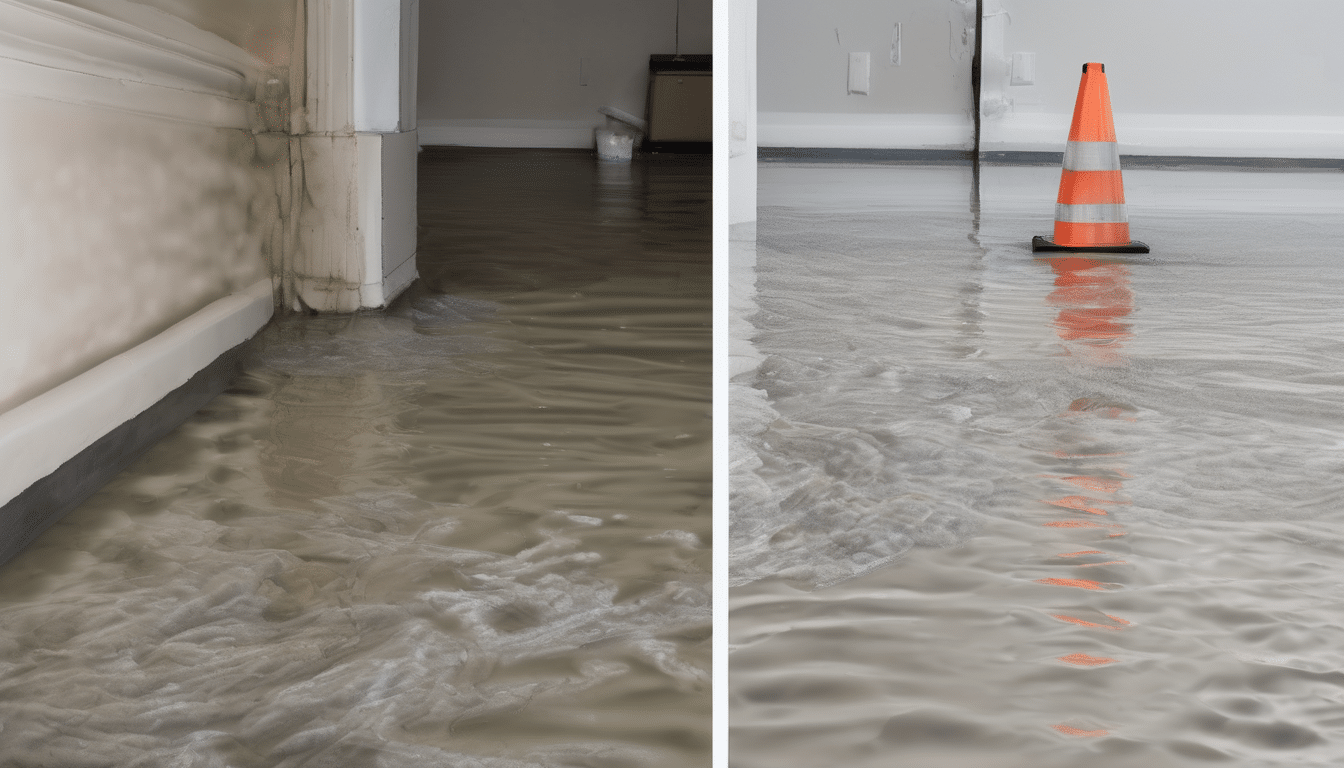
When flooding strikes Dubai properties, determining the extent of potential mold contamination becomes critical for occupant health and building integrity. Property owners face a crucial decision between air sampling and surface testing methods to assess mold presence after water damage. Understanding Air sampling vs surface testing for post flood mold scenarios helps ensure accurate detection and appropriate remediation planning.
The choice between these testing methodologies significantly impacts investigation accuracy, cost-effectiveness, and remediation success. Each approach offers distinct advantages and limitations that must be carefully considered within Dubai’s unique climate conditions and building characteristics. This relates directly to Air Sampling Vs Surface Testing For Post Flood Mold.
Air Sampling Vs Surface Testing For Post Flood Mold – Understanding Air Sampling vs Surface Testing Fundamentals
Air sampling and surface testing represent two fundamentally different approaches to mold detection after flooding incidents. Air sampling measures airborne spore concentrations throughout indoor environments, whilst surface testing identifies mold growth directly on building materials and furnishings.
Air sampling captures spores suspended in indoor air using specialised collection devices. These samples undergo laboratory analysis to quantify spore types and concentrations, providing insight into overall airborne contamination levels. The methodology proves particularly valuable when visible mold growth remains hidden behind walls, under flooring, or within HVAC systems.
Surface testing involves direct collection of material samples from suspected contamination areas. Technicians use swabs, tape lifts, or bulk material samples to capture mold growth for microscopic identification and quantification. This approach confirms active growth on specific surfaces and identifies exact species present. When considering Air Sampling Vs Surface Testing For Post Flood Mold, this becomes clear.
In our Dubai investigations, air sampling vs surface testing for post flood mold situations often requires combining both methodologies for comprehensive assessment. Neither approach alone provides complete contamination mapping in complex flooding scenarios.
Detection Scope Differences
Air sampling provides broad environmental assessment across entire rooms or building zones. Spore concentrations reflect overall contamination levels but cannot pinpoint specific growth locations. This methodology excels at detecting hidden contamination sources that surface inspection might miss.
Surface testing offers precise identification of active growth sites but provides limited information about airborne exposure levels. Direct sampling confirms contamination presence on specific materials whilst revealing species diversity and growth extent.
The combination approach leverages both methodologies’ strengths whilst compensating for individual limitations. Post-flood investigations typically require this integrated strategy for accurate contamination mapping. The importance of Air Sampling Vs Surface Testing For Post Flood Mold is evident here.
Air Sampling Vs Surface Testing For Post Flood Mold – Air Sampling Methodology and Key Advantages
Air sampling utilises specialised equipment to capture airborne spores through various collection methods. Spore trap samplers draw measured air volumes through collection media, whilst viable samplers culture living spores for identification and quantification.
The primary advantage lies in comprehensive environmental assessment across large areas. Single air samples represent contamination levels throughout entire rooms, making this approach highly efficient for initial screening. Air sampling detects contamination regardless of visibility, uncovering hidden growth behind building materials.
Laboratory analysis provides quantitative spore counts and species identification, enabling risk assessment based on specific organism types. Comparative sampling between indoor and outdoor environments helps distinguish contamination sources from natural background levels.
Spore Trap Sampling Benefits
Spore trap sampling captures both viable and non-viable spores, providing complete airborne contamination assessment. This methodology works effectively in any environmental condition and provides rapid laboratory turnaround times. Understanding Air Sampling Vs Surface Testing For Post Flood Mold helps with this aspect.
The approach proves particularly valuable for detecting Stachybotrys and other species that release spores intermittently. Total spore counts include fragments and damaged spores that remain potentially harmful despite reduced viability.
In Dubai’s air-conditioned environments, spore trap sampling effectively captures contamination distributed through HVAC systems. Mechanical air distribution can spread contamination far from original growth sites, making airborne detection essential.
Viable Sampling Applications
Viable air sampling cultures living spores to confirm active contamination and assess remediation effectiveness. This methodology proves essential when determining whether detected spores represent active growth or historical contamination.
Living spore identification enables precise species determination and antibiotic sensitivity testing when medical concerns arise. Viable sampling also supports post-remediation verification by confirming elimination of reproductive contamination sources. Air Sampling Vs Surface Testing For Post Flood Mold factors into this consideration.
However, viable sampling requires specific environmental conditions and extended laboratory processing times. Some mold species demonstrate poor cultural characteristics, potentially underestimating actual contamination levels through this methodology alone.
Air Sampling Vs Surface Testing For Post Flood Mold – Surface Testing Approach and Primary Benefits
Surface testing methodologies include tape lifts, swab samples, and bulk material analysis. Each approach targets different contamination scenarios and provides varying levels of detailed information about growth characteristics and extent.
Tape lift sampling captures surface growth patterns whilst preserving structural relationships between spores and hyphae. This methodology enables assessment of growth activity levels and provides visual confirmation of contamination extent across building materials.
Swab sampling collects material from irregular surfaces and suspected growth areas for microscopic analysis. The approach works effectively on textured surfaces where tape lifts prove inadequate, providing flexible collection options for various building materials. This relates directly to Air Sampling Vs Surface Testing For Post Flood Mold.
Bulk material sampling involves removing contaminated building materials for comprehensive laboratory analysis. This methodology provides definitive contamination confirmation and supports species identification when surface growth appears minimal or questionable.
Direct Growth Confirmation
Surface testing provides unambiguous confirmation of active mold growth on specific building materials. Visual microscopic analysis reveals growth structures, spore production, and contamination extent that air sampling cannot directly assess.
The methodology proves essential for documenting contamination patterns that inform remediation planning. Understanding growth distribution across different materials guides selective removal strategies and prevents unnecessary demolition.
In post-flood scenarios, surface testing identifies which materials require replacement versus cleaning. This information directly impacts remediation costs and project timelines whilst ensuring thorough contamination elimination. When considering Air Sampling Vs Surface Testing For Post Flood Mold, this becomes clear.
Species-Specific Information
Direct sampling enables detailed species identification through microscopic morphology analysis. Understanding specific organisms present guides appropriate remediation methods and health risk assessment for occupants.
Certain species demonstrate characteristic growth patterns that surface testing readily identifies. Stachybotrys typically produces distinctive spore clusters, whilst Aspergillus species show specific conidial head structures that aid identification.
Surface testing also reveals mixed contamination scenarios where multiple species colonise the same materials. This information proves crucial for comprehensive remediation planning and post-treatment verification protocols.
Post-Flood Detection: Air Sampling vs Surface Testing Performance
Post-flood environments present unique detection challenges that influence air sampling vs surface testing effectiveness. High moisture levels, temperature fluctuations, and building material saturation create conditions where each methodology demonstrates specific advantages and limitations. The importance of Air Sampling Vs Surface Testing For Post Flood Mold is evident here.
Immediately following flooding, surface testing often provides more reliable contamination detection than air sampling. Saturated materials may not release significant spore quantities into air until drying commences and growth becomes established.
However, as post-flood conditions evolve and drying progresses, airborne spore concentrations typically increase substantially. This transition period requires careful timing of sampling methodologies to capture accurate contamination assessment.
Early Post-Flood Detection
Within the first 48-72 hours after flooding, surface testing demonstrates superior detection capability for emerging contamination. Moisture-saturated materials begin showing early growth indicators that direct sampling readily identifies.
Air sampling during this period may produce misleadingly low spore counts due to limited airborne release from saturated substrates. However, baseline air sampling establishes pre-growth conditions for future comparison studies. Understanding Air Sampling Vs Surface Testing For Post Flood Mold helps with this aspect.
Our investigations consistently show that early surface testing identifies contamination hotspots that guide focused remediation efforts. This early detection prevents extensive growth development and reduces overall remediation costs.
Established Growth Detection
Once mold growth becomes established 3-7 days post-flooding, air sampling effectiveness increases dramatically. Mature colonies release substantial spore quantities that airborne sampling readily detects throughout affected areas.
Established contamination often spreads beyond original water damage zones through HVAC distribution and natural air currents. Air sampling captures this secondary contamination that surface inspection might overlook.
The combination of both methodologies during established growth phases provides comprehensive contamination mapping. Surface testing confirms primary growth locations whilst air sampling identifies secondary distribution patterns. Air Sampling Vs Surface Testing For Post Flood Mold factors into this consideration.
Cost Analysis for UAE Properties
Understanding the financial implications of air sampling vs surface testing for post flood mold investigations helps property owners make informed decisions about detection methodology selection. Costs vary significantly based on property size, contamination extent, and required analysis depth.
Air sampling typically costs AED 350-600 per sample location, with most residential properties requiring 3-6 sample points for adequate assessment. Laboratory analysis adds AED 200-400 per sample, depending on requested analysis detail and turnaround requirements.
Surface testing ranges from AED 150-300 per sample for tape lifts and swabs, with bulk material analysis costing AED 400-800 per sample. The number of required samples depends on visible contamination extent and suspected growth areas.
Residential Property Costs
Typical Dubai villa investigations using air sampling alone range from AED 2,000-4,500, including sample collection and laboratory analysis. This approach provides broad environmental assessment with relatively limited sample requirements. This relates directly to Air Sampling Vs Surface Testing For Post Flood Mold.
Surface testing investigations typically cost AED 1,200-3,000 for residential properties, depending on contamination extent and required sample density. Multiple surface samples may be necessary to adequately characterise growth distribution patterns.
Combined methodology investigations range from AED 3,500-7,000 for comprehensive residential assessment. This approach provides maximum detection accuracy but requires higher initial investment for complete contamination characterisation.
Commercial Property Considerations
Large commercial properties require extensive sampling protocols that significantly impact investigation costs. Air sampling provides cost-effective broad assessment, whilst surface testing costs increase substantially with building size and complexity.
HVAC system assessment often requires specialised air sampling within ductwork and mechanical spaces. These additional sample locations can add AED 1,500-3,000 to overall investigation costs but provide essential contamination mapping. When considering Air Sampling Vs Surface Testing For Post Flood Mold, this becomes clear.
Post-flood commercial investigations typically range from AED 8,000-25,000 for comprehensive assessment using combined methodologies. The investment proves cost-effective when considering potential remediation savings through accurate contamination mapping.
Dubai Climate Considerations and Method Selection
Dubai’s extreme climate conditions significantly influence air sampling vs surface testing performance and reliability. High ambient humidity, temperature fluctuations, and extensive air conditioning systems create unique environmental factors that affect mold detection methodology selection.
Outdoor humidity levels often exceed 80% during summer months, creating elevated baseline spore concentrations that complicate air sampling interpretation. Comparative indoor-outdoor sampling becomes essential for distinguishing contamination from natural background levels.
Air conditioning systems throughout Dubai properties create complex airflow patterns that influence spore distribution and concentration. These mechanical systems can either concentrate contamination or dilute spore levels depending on operational status and contamination source locations. The importance of Air Sampling Vs Surface Testing For Post Flood Mold is evident here.
Humidity Impact on Detection
High ambient humidity promotes rapid mold growth development but may suppress airborne spore release until growth becomes well-established. This phenomenon can create detection delays when relying exclusively on air sampling methodologies.
Surface testing proves particularly valuable in Dubai’s humid conditions because direct growth detection remains reliable regardless of airborne spore release patterns. Early identification enables intervention before extensive contamination development.
The combination approach proves essential in Dubai investigations because humidity effects vary unpredictably across different building materials and environmental conditions. Neither methodology alone provides consistently reliable detection in these challenging conditions.
Air Conditioning System Effects
Extensive air conditioning use throughout Dubai properties creates unique contamination distribution patterns that influence detection methodology effectiveness. Mechanical air movement can transport spores far from original growth sources. Understanding Air Sampling Vs Surface Testing For Post Flood Mold helps with this aspect.
HVAC systems may dilute airborne concentrations through air exchange whilst simultaneously spreading contamination to previously unaffected areas. This phenomenon requires careful sample location selection and interpretation methodology.
Surface testing within HVAC components often reveals contamination sources that air sampling might miss due to dilution effects. Ductwork inspection and sampling provide essential contamination source identification in mechanically ventilated environments.
Expert Recommendations and Final Verdict
Based on extensive field experience investigating post-flood contamination in Dubai properties, the optimal approach combines both air sampling and surface testing methodologies. Neither approach alone provides adequate contamination assessment in complex post-flood environments.
The recommended protocol begins with immediate surface testing within 24-48 hours post-flooding to identify emerging contamination hotspots. This early detection enables rapid intervention before extensive growth development occurs.
Air sampling should commence 3-5 days post-flooding once growth becomes established and spore release increases. This timing optimises detection reliability whilst providing comprehensive environmental assessment across affected areas.
Methodology Selection Guidelines
For properties with extensive visible contamination, surface testing provides essential growth confirmation and species identification. Direct sampling guides remediation planning and material replacement decisions with maximum accuracy.
Properties with suspected hidden contamination benefit primarily from air sampling approaches that detect growth behind building materials. Airborne detection identifies contamination sources that visual inspection cannot access.
Large properties with complex HVAC systems require combined methodologies to adequately assess both primary contamination sources and secondary distribution patterns. Neither approach alone provides sufficient detection coverage in these environments.
Final Verdict
Air sampling vs surface testing for post flood mold investigation represents a false choice in most practical scenarios. Effective contamination assessment requires strategic combination of both methodologies timed appropriately for post-flood conditions.
The integrated approach provides comprehensive contamination mapping whilst optimising investigation costs through strategic methodology selection. Early surface testing prevents extensive growth development, whilst subsequent air sampling ensures complete environmental assessment.
Professional investigation protocols should incorporate both methodologies as complementary tools rather than competing alternatives. This approach maximises detection accuracy whilst providing essential information for effective remediation planning and occupant protection.
Property owners investing in comprehensive assessment using combined methodologies typically achieve better long-term outcomes through accurate contamination characterisation and targeted remediation strategies. The additional initial cost proves cost-effective through reduced remediation scope and improved success rates. Understanding Air Sampling Vs Surface Testing For Post Flood Mold is key to success in this area.