
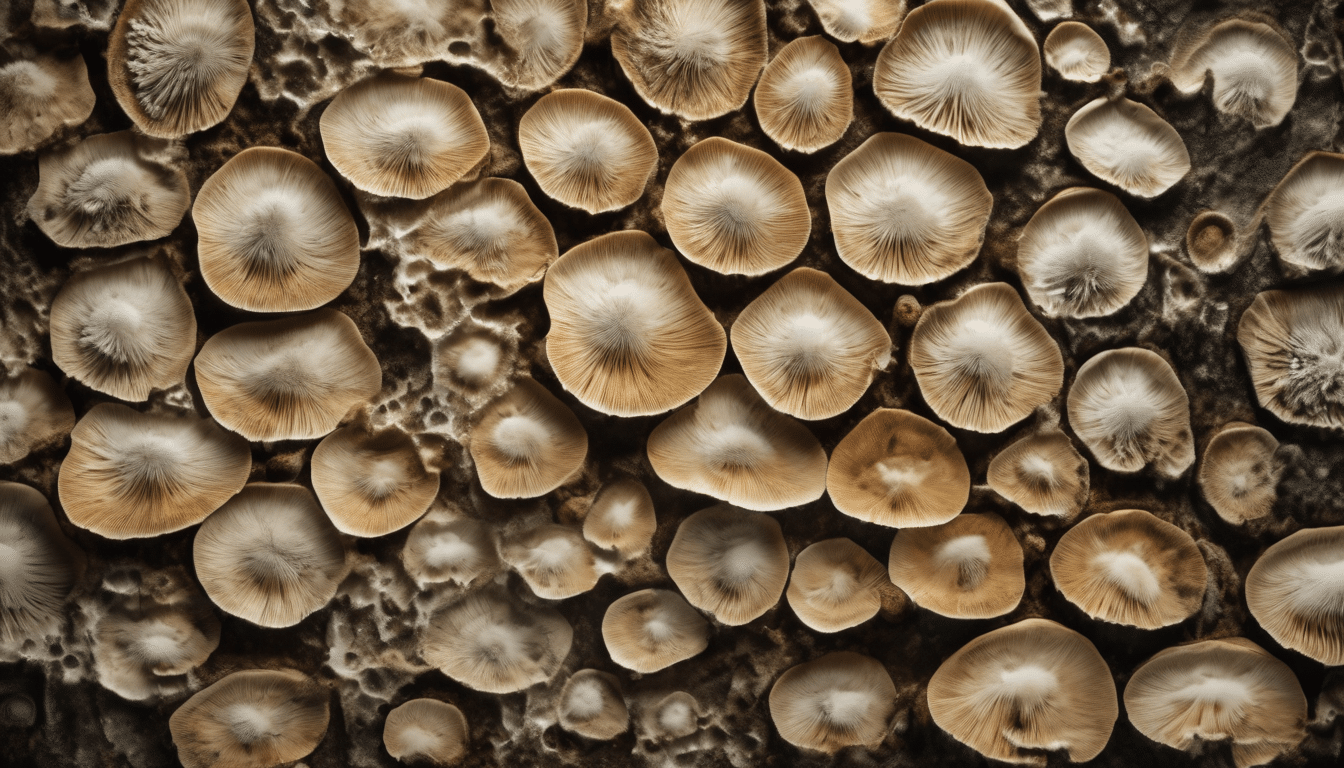
The Fungi, Mold And mildew corrosion issues knowledge area is one of the most misunderstood domains in indoor environmental science — particularly in the UAE, where climate conditions create a near-perfect environment for biological deterioration of building materials. Most property owners understand that mold is unsightly. Far fewer appreciate that fungi, mold, and mildew are active agents of material corrosion, silently degrading gypsum board, timber framing, insulation, and even metal substrates over time.
This case study documents an investigation conducted at a four-bedroom villa in the Jumeirah district of Dubai. The property had undergone professional mold treatment twice in the preceding 18 months. Both interventions failed to prevent regrowth. When the family contacted us, their youngest child had developed persistent respiratory symptoms, and visible mold had returned along the base of two bedroom walls within weeks of the second treatment. The case ultimately revealed a systemic failure rooted in the fungi, mold and mildew corrosion issues knowledge area that neither previous contractor had addressed.
Understanding this case requires examining not just the biology of mold, but the physics of the building envelope, the behaviour of humid air, and the corrosive interaction between fungal colonies and the materials they colonise. What follows is a detailed account of how that investigation unfolded — and what it teaches us about mold as a corrosion problem, not merely a surface problem.
Initial Assessment and Client History
The property owner contacted us after a colleague referred them following a similar mold investigation in a neighbouring villa. By this point, the family had spent approximately AED 18,000 across two separate mold removal engagements. Neither contractor had conducted air sampling, moisture mapping, or laboratory testing prior to treatment. Both had applied biocidal spray and repainted affected walls.
During our initial walkthrough, several conditions were immediately apparent. The affected bedrooms sat on the ground floor. The external walls faced north-west, receiving limited solar gain and remaining cooler than the building interior for much of the day. Air conditioning units in both rooms were oversized for the space, creating rapid cooling cycles that deposited condensation on wall surfaces repeatedly throughout each day.
Crucially, neither previous contractor had identified or addressed these conditions. The fungi, mold and mildew corrosion issues knowledge area requires practitioners to look beyond surface growth and evaluate the physical environment sustaining it. That fundamental step had been skipped entirely in both prior engagements.
Understanding Fungi, Mold And Mildew Corrosion Issues Knowledge Area
Before describing the investigation in detail, it is worth establishing what the fungi, mold and mildew corrosion issues knowledge area actually encompasses. This discipline bridges mycology, materials science, and building physics. It treats fungal growth not as a cosmetic problem but as a biological corrosion process — one with measurable consequences for structural integrity and indoor air quality.
Fungi are heterotrophic organisms. They cannot produce their own energy and must consume organic substrates to survive. In the built environment, those substrates are the materials the building is constructed from — paper-faced gypsum board, cellulose insulation, timber, adhesives, and organic coatings. As fungi colonise these materials, they secrete enzymes that break down complex organic compounds into simpler molecules that the fungal mycelium can absorb.
This enzymatic digestion is corrosion in the biological sense. It structurally weakens materials, alters their hygroscopic properties, and renders them more susceptible to moisture absorption — which in turn accelerates further fungal growth. The fungi, mold and mildew corrosion issues knowledge area recognises this as a self-reinforcing cycle that requires systemic intervention, not surface treatment.
Investigation Methodology and Diagnostic Tools
Our investigation protocol integrated four primary diagnostic tools. Each was selected to address a different layer of the fungi, mold and mildew corrosion issues knowledge area — from the physical environment to the biological activity within it.
Thermal Imaging Survey
We conducted a full thermal imaging survey of the affected rooms using a calibrated infrared camera. The north-west-facing walls showed clear thermal anomalies along the lower 600 mm of the wall surface. These cold bands corresponded precisely with the visible mold growth pattern. The imaging revealed that the wall assembly was experiencing consistent surface temperatures 3–5°C below the adjacent air temperature — sufficient to cause regular condensation under Dubai’s typical interior humidity conditions of 60–75% relative humidity during summer months.
Moisture Mapping
A pin-type moisture meter confirmed elevated moisture content in the gypsum board, ranging from 22% to 38% moisture content by weight in affected areas. Readings above 19% in gypsum board are considered indicative of active moisture accumulation and significant mold risk. The moisture profile extended horizontally across both rooms in a pattern consistent with condensation accumulation, not plumbing leakage.
Air and Surface Sampling
We collected spore trap air samples from both affected rooms, an unaffected room, and the exterior. Surface samples were taken using tape-lift methodology at six locations across the affected wall areas. All samples were processed through our in-house microbiology laboratory. Results confirmed elevated concentrations of Cladosporium and Aspergillus/Penicillium group spores indoors relative to the outdoor reference sample — a reliable indicator of active indoor mold colonisation.
Borescope Wall Inspection
We drilled 12 mm access points at three locations along the affected wall cavities and inserted a borescope camera. This step proved decisive. Within the wall cavity, we found extensive mycelial growth across the paper facing of the interior gypsum board and along the lower timber bottom plate. The corrosion was advanced — the paper facing had become friable, and the underlying gypsum core had begun to soften and disaggregate where moisture saturation was highest.
Findings — The Corrosion Mechanism Revealed
The investigation findings aligned precisely with the fungi, mold and mildew corrosion issues knowledge area as understood through building science. The root cause was a combination of thermal bridging through the concrete wall base and oversized air conditioning units cycling the interior air temperature too aggressively.
Each cooling cycle rapidly reduced the air temperature near the wall surface. When the AC unit cycled off, warmer humid air from outside infiltration and occupant activity migrated toward the cooled wall surface and deposited moisture through condensation. Over months, this repeated wetting cycle saturated the wall materials and established conditions for sustained fungal colonisation.
The previous biocidal treatments had eliminated surface growth temporarily but had not altered the moisture dynamic. Within weeks, the same condensation pattern reactivated latent spores and colonised the now-compromised wall materials even more rapidly — because the corrosion damage from the first colonisation episode had made the materials more hygroscopic and more readily digestible by fungi.
How Fungi, Mold And Mildew Corrosion Issues Knowledge Area Affects Building Materials
The fungi, mold and mildew corrosion issues knowledge area documents several distinct mechanisms by which biological growth degrades building materials. Each mechanism was evidenced in this case.
Enzymatic Degradation of Cellulose and Paper
Many common indoor mold species — including Aspergillus niger and Trichoderma — produce cellulase enzymes that break down cellulose. The paper facing on gypsum board is a primary cellulose substrate. Once this facing is compromised, the structural integrity of the board declines rapidly, and moisture absorption increases substantially.
Acid Production and Inorganic Material Degradation
Fungal metabolism produces organic acids, including oxalic acid and citric acid. These acids lower the local pH of the substrate, which can corrode metal fasteners, degrade cement-based materials, and accelerate the breakdown of adhesives and sealants. In this villa, the metal screws fixing the gypsum board to the wall framing showed early surface corrosion consistent with acid exposure.
Hygroscopic Alteration of Substrates
As fungal mycelium penetrates and digests building materials, the physical structure of those materials changes. Degraded gypsum board absorbs and retains moisture far more readily than intact board. This is why the fungi, mold and mildew corrosion issues knowledge area emphasises that biocidal treatment of corroded materials is rarely sufficient — the material itself has been permanently altered.
The Remediation Approach and Protocol Design
Based on the investigation findings, we designed a remediation protocol that addressed both the biological contamination and the building physics failure driving it. This is the approach the fungi, mold and mildew corrosion issues knowledge area demands — treating the system, not the symptom.
We established negative pressure containment in both affected rooms using polyethylene sheeting barriers and HEPA-filtered air scrubbers exhausted to the exterior. This prevented cross-contamination of the rest of the property during the demolition and material removal phase.
All affected gypsum board was removed from floor level to 900 mm height across both rooms. The exposed timber bottom plates, showing visible mycelial growth and physical softening, were also removed and replaced. Exposed cavity surfaces were HEPA-vacuumed, treated with an EPA-registered antimicrobial agent, and allowed to dry fully before any reconstruction commenced.
Critically, we also modified the air conditioning configuration. Oversized units were recalibrated to longer, less aggressive cooling cycles. A dehumidification protocol was introduced to maintain interior relative humidity below 55% — the threshold below which most indoor mold species cannot sustain active colonisation. The total project cost was AED 34,500, inclusive of investigation, laboratory analysis, remediation, and post-remediation verification.
Applying Fungi, Mold And Mildew Corrosion Issues Knowledge Area to Long-Term Prevention
The fungi, mold and mildew corrosion issues knowledge area is not only relevant during active remediation. Its principles should inform building design, operation, and maintenance decisions continuously — particularly in the UAE climate.
Dubai’s outdoor temperatures regularly exceed 42°C in summer, while interior spaces are maintained at 22–24°C. This creates steep temperature gradients across the building envelope, making thermal bridging and condensation formation predictable and preventable — provided designers and facility managers apply the correct knowledge. Vapour barriers, adequate insulation, and correctly sized mechanical systems are not optional features. They are the primary defences against the biological corrosion cycle described in this case.
Property managers across Dubai, Abu Dhabi, Sharjah, and Ras Al Khaimah who oversee older buildings should be particularly vigilant. Construction practices from the 1990s and early 2000s often did not account for the building science now understood through the fungi, mold and mildew corrosion issues knowledge area. Retrofitting these properties requires careful assessment before mold problems become structural ones.
Results, Post-Remediation Verification, and Lessons Learned
Post-remediation verification was conducted 14 days after reconstruction was complete, using the same sampling methodology as the initial investigation. Air sample results showed indoor spore concentrations within normal parameters relative to the outdoor reference sample. Surface samples from the reconstructed wall areas returned no significant mold growth. Moisture readings in the new gypsum board ranged from 9% to 13% — well within acceptable limits.
A follow-up inspection at 90 days confirmed that no visible mold had returned and that interior relative humidity levels were being maintained consistently below 54%. The occupant’s child showed improvement in respiratory symptoms within six weeks of the family re-occupying the treated rooms, though we are careful not to attribute clinical outcomes to environmental remediation without appropriate medical assessment.
The central lesson of this case is straightforward: the fungi, mold and mildew corrosion issues knowledge area demands that practitioners understand mold as a consequence of physical and biological conditions — not as a problem that exists independently of the building. Treating the surface without addressing those conditions is not remediation. It is postponement.
Key Takeaways for Property Owners and Professionals
This case reinforces several principles that the fungi, mold and mildew corrosion issues knowledge area has established through research and field investigation. These are relevant to any property in the UAE experiencing recurring mold problems.
- Biocidal treatment alone is not remediation. If the moisture source is not identified and corrected, mold will return regardless of the chemical applied.
- Corrosion damage is cumulative. Each episode of fungal colonisation leaves materials more vulnerable to the next. Early investigation prevents compounding damage.
- Thermal imaging and moisture mapping are not optional extras. They are the minimum diagnostic standard for any meaningful mold investigation in the UAE climate.
- Oversized or poorly configured air conditioning systems are a significant mold risk factor in sealed Dubai buildings. Mechanical assessment should accompany any mold investigation.
- Laboratory analysis confirms what visual inspection cannot. Surface samples and air sampling provide the species-level data needed to assess health risk and confirm remediation success.
- Post-remediation verification is not optional. It is the only scientific confirmation that work has been effective.
The fungi, mold and mildew corrosion issues knowledge area continues to evolve as building science, mycology, and materials research advance together. For property owners, facility managers, and construction professionals across the UAE, engaging with this knowledge area — rather than defaulting to cosmetic treatments — is the only approach that delivers durable outcomes. Mold is not a surface problem. It is a systems problem. And systems problems require systems solutions.